Many homeowners do not realize how important the space beneath a mobile home is until a problem develops. Soft floors, mold smells, falling insulation, and structural damage often begin underneath the home where moisture can slowly affect the structure over time.
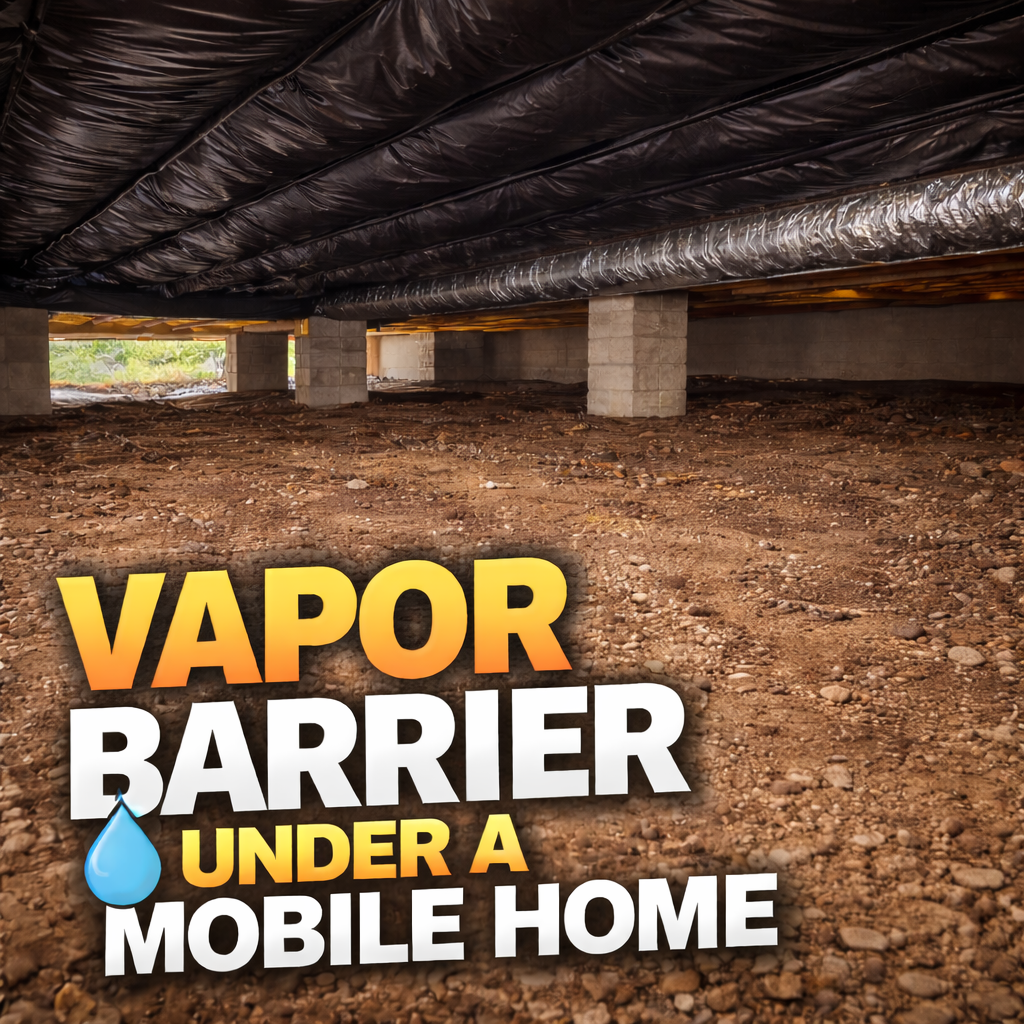
One of the most important protective components beneath a mobile home is the vapor barrier. This protective layer helps prevent moisture from rising from the ground into the crawlspace beneath the home.
In Florida’s humid climate, a properly installed vapor barrier plays a critical role in protecting the structure of manufactured and mobile homes. Without it, moisture from the soil can enter the crawlspace and eventually damage insulation, floor joists, and subfloor materials.
Homeowners across Florida—including Tampa, Clearwater, Largo, Lakeland, Bradenton, Sarasota, Fort Myers, and Orlando—often discover vapor barrier problems only after other issues begin to appear inside the home.
Understanding how a vapor barrier works can help homeowners protect their property and avoid serious structural damage.
What Is a Vapor Barrier Under a Mobile Home?
A vapor barrier is a heavy-duty plastic liner installed beneath a mobile or manufactured home. It covers the soil under the structure and acts as a protective shield that prevents ground moisture from rising into the crawlspace.
The barrier works by blocking water vapor from entering the underside of the home. When installed correctly, it helps keep the crawlspace environment dry and stable.
A properly installed vapor barrier protects several important parts of the home, including
- the subfloor structure
- floor joists and framing
- insulation beneath the home
- ductwork and plumbing
- indoor air quality
Without a vapor barrier, moisture can easily move upward from the ground into the underside of the home.
Why Vapor Barriers Are Especially Important in Florida
Florida’s climate creates conditions where moisture problems can develop quickly beneath mobile homes.
Several factors contribute to this.
High Humidity
Florida regularly experiences high humidity levels throughout the year. When moisture accumulates beneath a home, humidity can remain trapped in the crawlspace.
This moisture can slowly affect the wood structure supporting the floor.
Heavy Rainfall
Frequent rainstorms and seasonal weather patterns can cause water to collect around or beneath mobile homes. Without proper moisture protection, this water can increase humidity beneath the structure.
Warm Temperatures
Warm temperatures combined with moisture create an ideal environment for mold growth and wood deterioration beneath homes.
Because of these conditions, vapor barrier protection is essential for manufactured homes throughout Florida.
Signs a Vapor Barrier May Be Damaged
Many homeowners do not notice vapor barrier damage right away. However, several warning signs can indicate moisture problems beneath the home.
Common signs include:
- soft or sagging floors inside the home
- musty odors coming from the floor
- insulation hanging beneath the home
- visible moisture in the crawlspace
- mold growth beneath the home
- wood rot affecting floor framing
When these issues appear, the vapor barrier underneath the home may no longer be protecting the structure from moisture.
How Vapor Barrier Damage Occurs
Over time, vapor barriers can become damaged for several reasons.
Age and Deterioration
Older vapor barriers may begin to deteriorate after many years of exposure to humidity and temperature changes.
Animal Activity
Animals living beneath mobile homes can tear or displace vapor barriers while moving through the crawlspace.
Previous Repairs
Improperly installed repairs or maintenance work beneath the home can accidentally damage the barrier.
Storm Damage
Heavy storms or flooding can sometimes shift or tear vapor barriers beneath the home.
Once the barrier is damaged, moisture can begin entering the crawlspace.
What Happens When a Vapor Barrier Fails
When the vapor barrier under a mobile home stops working properly, moisture can begin affecting the structural components of the home.
Over time this can lead to:
- weakened subfloor panels
- soft or spongy flooring
- rotting floor joists
- mold and mildew growth
- insulation deterioration
Many homeowners first notice the problem when the floor inside the home begins to feel soft or uneven.
In reality, the damage often started months or even years earlier beneath the home.
How Vapor Barrier Repair Works
Repairing a vapor barrier beneath a mobile home involves restoring the protective layer that prevents ground moisture from entering the crawlspace.
Professional vapor barrier repair typically includes:
Crawlspace Inspection
A professional inspection identifies damaged areas of the barrier and determines whether moisture has affected insulation or structural components.
Removing Damaged Materials
Sections of the old vapor barrier that are torn or deteriorated are removed.
Installing a New Barrier
A new heavy-duty vapor barrier is installed across the crawlspace floor to block moisture from rising into the structure.
Sealing and Securing the Barrier
The barrier is properly secured to prevent future movement or tearing.
When installed correctly, the new vapor barrier restores moisture protection beneath the home.
Preventing Moisture Problems Beneath Your Home
The best way to protect a mobile home from moisture damage is by maintaining a properly installed vapor barrier.
Homeowners can also help protect their homes by:
- maintaining proper drainage around the home
- keeping gutters clear and directing water away from the structure
- repairing torn vapor barrier sections promptly
- scheduling periodic crawlspace inspections
These steps help maintain a dry environment beneath the home and protect the structural components of the flooring system.
Vapor Barrier Repair Services in Florida
Moisture problems beneath a mobile home should never be ignored. What begins as minor vapor barrier damage can eventually lead to soft floors, structural deterioration, and mold growth.
Professional inspections can determine whether the vapor barrier beneath the home needs repair or replacement.
Homeowners across Florida trust
Florida Anchor & Barrier
for mobile home vapor barrier repair, floor repair, tie-downs, and moisture protection services.
Florida Anchor & Barrier provides mobile home vapor barrier repair and floor repair services throughout Florida, including
Frequently Asked Questions
What does a vapor barrier do under a mobile home?
A vapor barrier blocks moisture from rising from the soil into the crawlspace beneath a mobile home. This helps protect the subfloor, insulation, and structural framing.
Do all mobile homes need a vapor barrier?
Yes. Vapor barriers help prevent moisture damage and are considered an essential protective component for manufactured homes.
How do I know if my vapor barrier is damaged?
Signs include soft floors, musty odors, falling insulation, and visible moisture beneath the home.