Serving Homeowners in Plant City, Florida
Mobile Home Vapor Barrier Replacement and Repair in Plant City, Florida
Plant City mobile homes often suffer moisture issues because the area’s humid climate, shaded lots, and clay-mixed soil allow dampness to remain trapped beneath the home. When a vapor barrier tears or deteriorates, moisture rises into the insulation and flooring system, causing soft floors, mold growth, and long-term structural damage. Florida Anchor and Barrier provides complete vapor barrier replacement, insulation repair, sagging floor restoration, tie-down and hurricane anchor upgrades, skirting repair, and carport work. As State Certified General Contractors (CGC 004138), homeowners in Plant City trust us for dependable, long-lasting moisture protection designed specifically for Florida homes.
What our Customers Say About Us
We Provide Complete Mobile Home Repair Services in Plant City, FL
Our Proven 4 Step Mobile Home vapor barrier Repair Process
Step 1 — Free Under-Home Inspection
We check your vapor barrier, insulation, and moisture levels and explain exactly what’s going on under your home.
Step 2 — Clear Diagnosis & Upfront Quote
You’ll know the problem, the solution, and the price — with no surprises.
Step 3 — Professional Installation
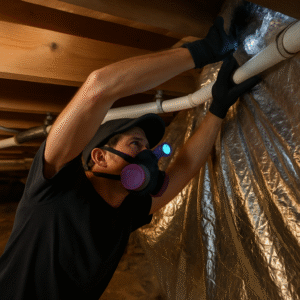
We remove damaged material, seal the underbelly, and install a new vapor barrier built for Florida moisture.
Step 4 — Warranty & Support
Your installation includes a workmanship warranty and ongoing support from a Florida-based team.
Need more than a vapor barrier? We can help.
We repair every part of your mobile home — not just the vapor barrier.
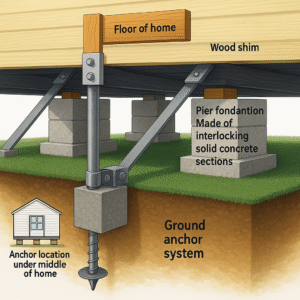
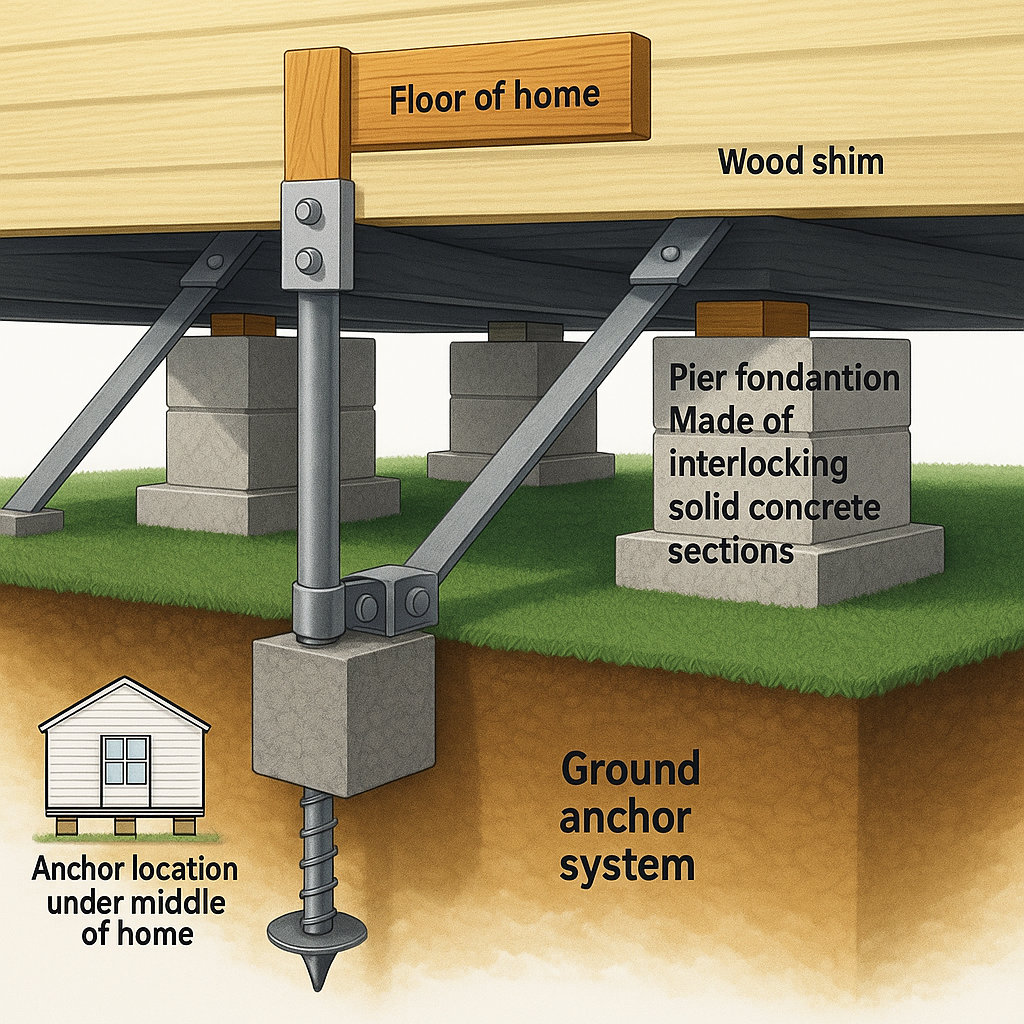
- Hurricane Anchors / Tie Downs
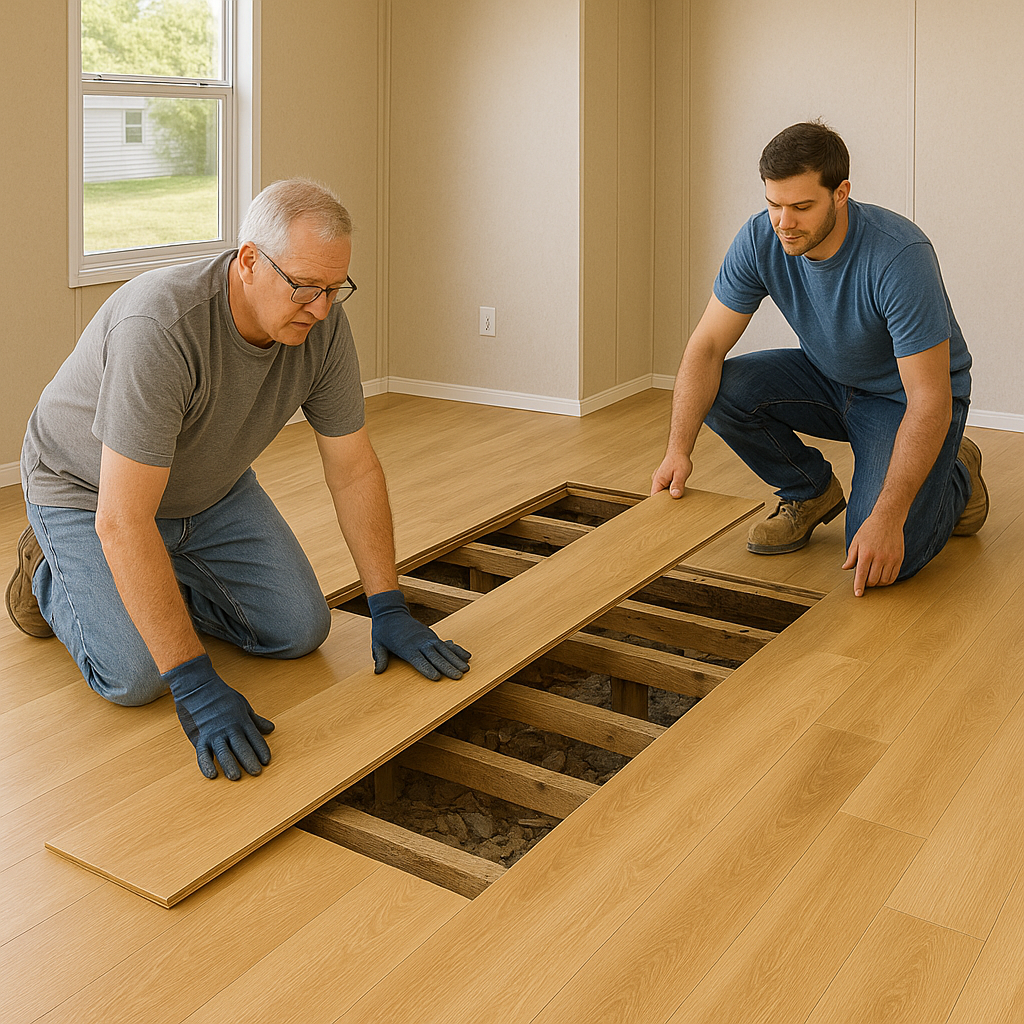
- Mobile Home Flooring Installation
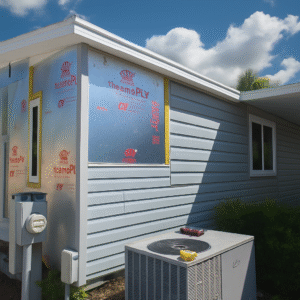
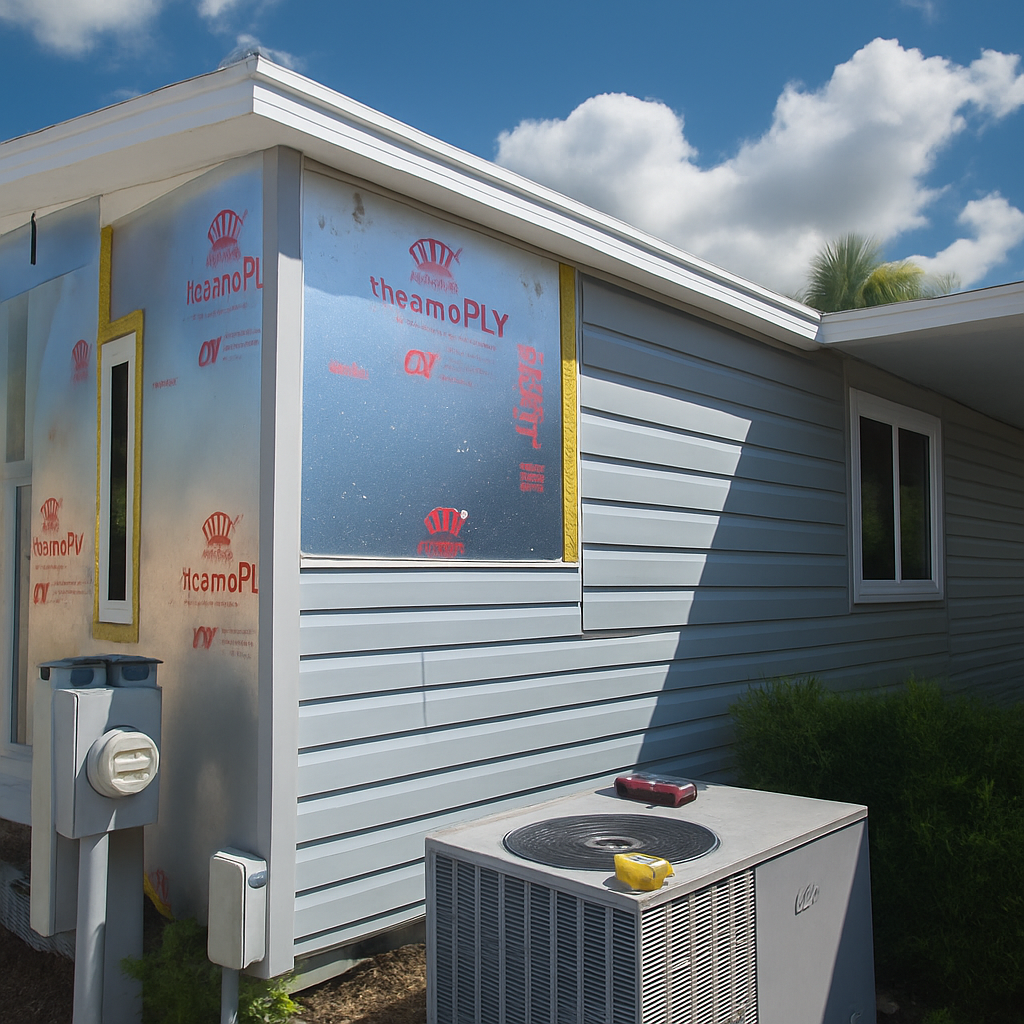
- Mobile Home Siding Installation
- Mobile Home Releveling Experts
Mobile homes need proper hurricane anchors and tie downs to stay secure during high winds and storms in Florida. A weak or outdated tie-down system can allow shifting, movement, or structural stress that leads to costly damage. Professional installation helps stabilize the home, protect the foundation, and reduce storm risk. Many homeowners search for mobile home hurricane tie-down installation when they start noticing movement or settling — and that’s exactly what we provide.
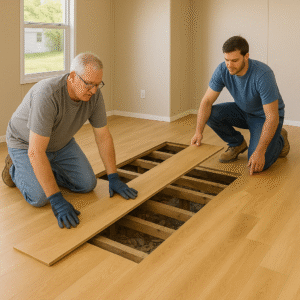
Moisture and underbelly damage often cause soft, sagging, or uneven floors in mobile homes. Installing new flooring helps restore stability, safety, and long-term support inside the home. We remove rotted or damaged materials and replace them with durable options designed for humid Florida conditions. Many people looking for mobile home flooring replacement are dealing with hidden moisture problems — and new floors are often part of the solution.
Damaged or aging siding can let water, humidity, and pests into a mobile home, leading to insulation damage and higher energy bills. Installing new siding helps protect the exterior and improve curb appeal while sealing out moisture. We remove loose, warped, or cracked siding and replace it with materials built for Florida heat and storms. Homeowners often search for mobile home siding installation and repair when they notice leaks or exterior damage starting to spread.
Over time, mobile homes can settle or shift, causing gaps, crooked doors, slanted floors, and cracks along the walls. Releveling restores the home to a safe, even position by correcting support issues under the structure. This helps prevent long-term stress and damage to the frame, flooring, and windows. Many homeowners turn to mobile home releveling services when they notice floors dipping or doors no longer closing properly.
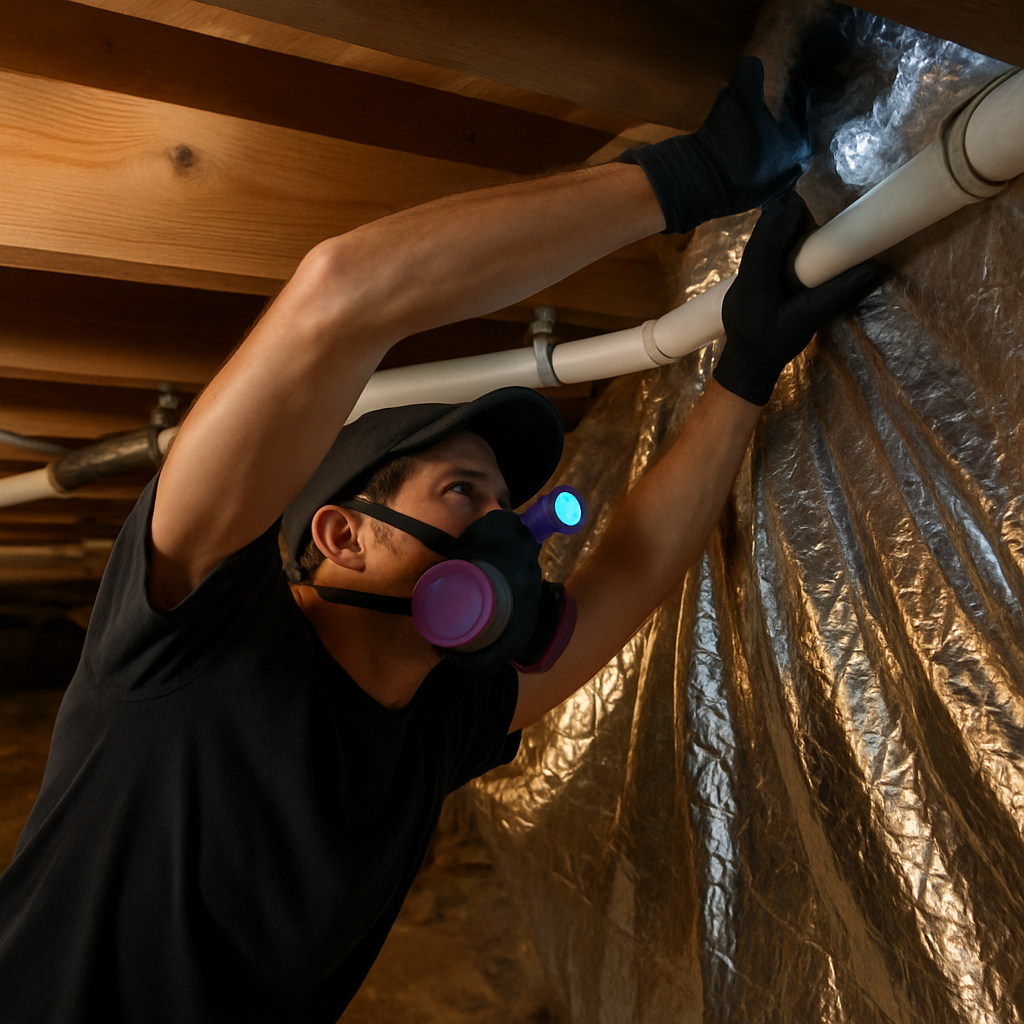
- Mobile Home Vapor Barriers
- Mobile Home Sagging Floors Repairs
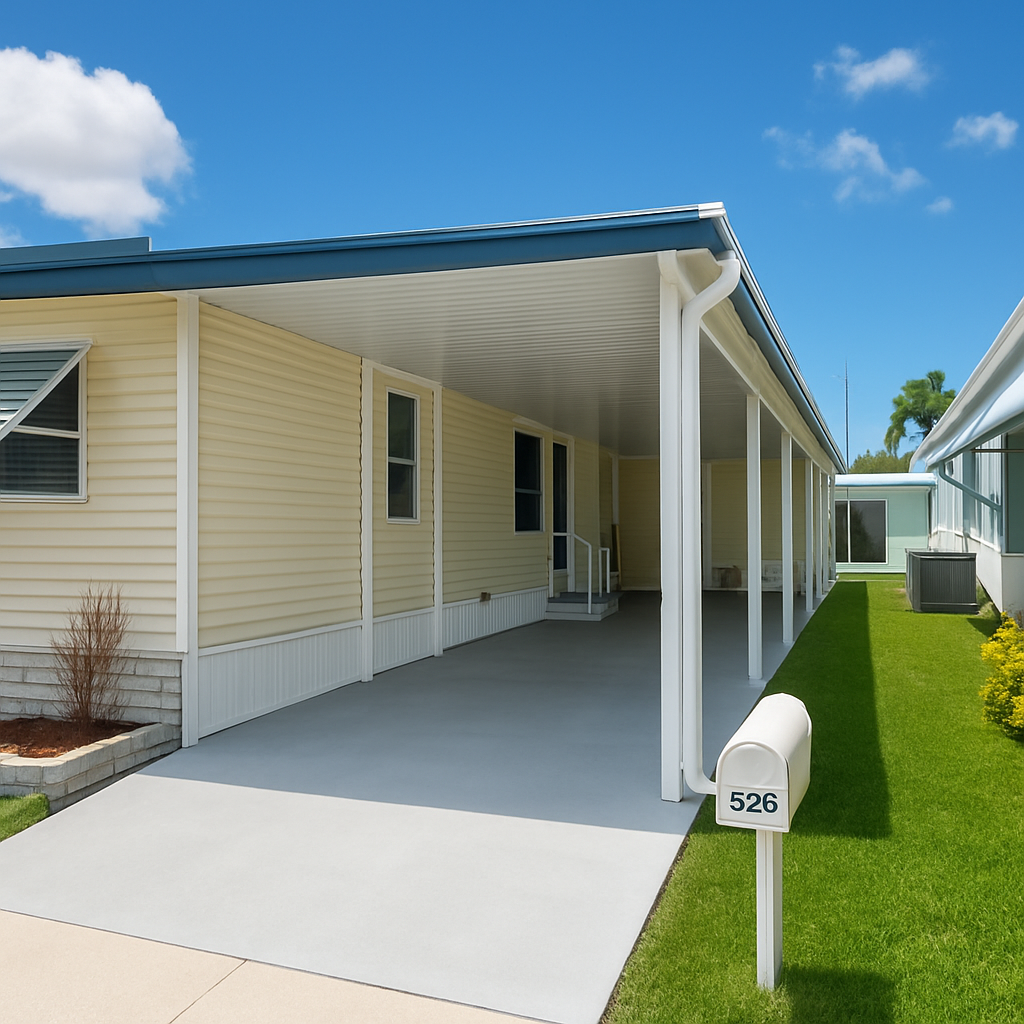
- Mobile Home Carport Contractors
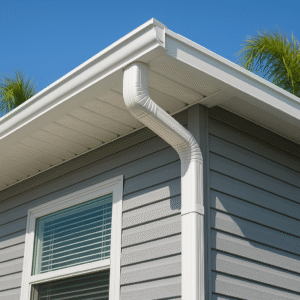
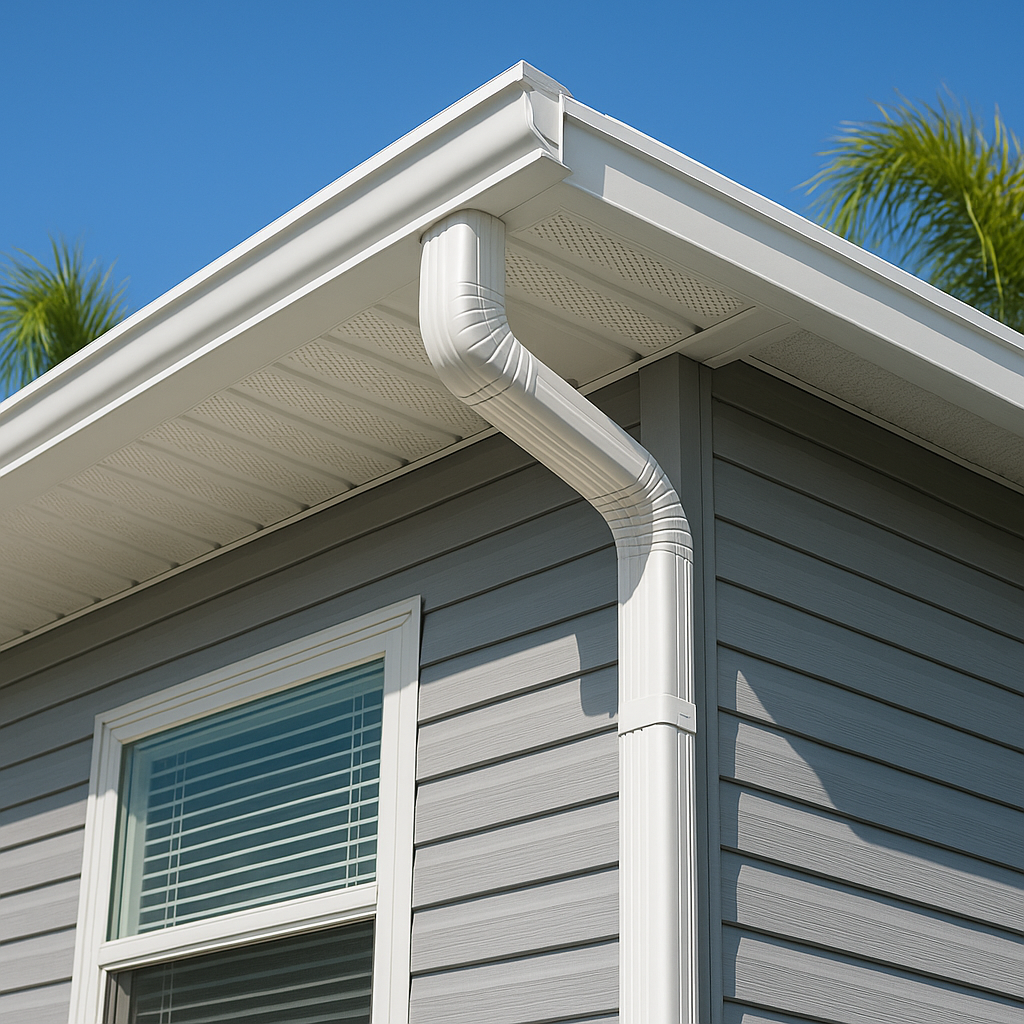
- Mobile Home Gutter Installation
A torn or missing vapor barrier allows ground moisture to rise into the mobile home, leading to mold, soft floors, and insulation failure. Installing a new vapor barrier seals the underbelly and helps protect the structure from humidity and rot. This is one of the most important steps in preventing long-term damage in Florida’s climate. Homeowners researching mobile home vapor barrier replacement are often dealing with moisture, mildew smells, or sagging floors — all signs the barrier has failed.
Soft or sagging floors are a common sign of moisture damage under the home. We repair weakened joists and subflooring, remove damaged wood, and restore safe, solid support. Fixing sagging floors early helps prevent further structural issues and expensive repairs. Many people looking for mobile home sagging floor repair are also facing vapor barrier or underbelly problems — and we can address both.
Carports help protect vehicles, entryways, and outdoor areas from sun, rain, and storm debris. We install and repair mobile home carports built for Florida weather and long-term durability. A new carport can improve convenience, safety, and property value. Homeowners searching for mobile home carport installation or replacement often want better protection during hurricane season or heavy storms.
Without proper gutters, rainwater can pool around the home, causing erosion, moisture buildup, and underbelly damage. We install seamless gutter systems that direct water away from the structure to protect the foundation and vapor barrier. This helps reduce long-term maintenance issues and moisture-related repairs. Many homeowners look for mobile home gutter installation when they notice pooling water or moisture collecting under the home.
State Certified General Contractors CGC 004138 • Trusted by Local Homeowners
Why homes in Plant City Florida get Moisture Damage
Plant City sits on soil that contains a mix of sand and clay—both of which hold moisture after heavy rains. This creates a damp environment under mobile homes, especially in long-established communities like Walden Woods and Oaks Mobile Home Park. The surrounding farmland and tree cover limit airflow, allowing ground moisture to rise directly into the underside of the home. Frequent afternoon storms and long rainy seasons make vapor barrier deterioration even more common. Our team understands Plant City’s moisture patterns and provides tailored repairs that stop ongoing damage and protect your home’s subfloor and structure.
1. How does Plant City’s mix of farmland soil and heavy summer humidity increase the need for a mobile home vapor barrier?
Plant City sits on rich agricultural soil that holds moisture longer than sandy coastal areas, making mobile homes more vulnerable to ground humidity. This moisture rises into the crawlspace and can saturate insulation, ductwork, and subflooring if no vapor barrier is present. Homes near strawberry fields or irrigation zones often experience even higher moisture exposure. Over time, dampness creates musty odors, mold growth, and weakening of wooden structures. A vapor barrier provides a sealed moisture block, keeping the underside of the home dry year-round. It also helps stabilize indoor humidity and reduces A/C strain during hot months. For Plant City’s farm-influenced soil conditions, vapor barriers are essential protection.
2. Why do mobile home floors in Plant City soften or sag after long rainy stretches?
Agricultural areas surrounding Plant City absorb a great deal of stormwater, and this moisture easily finds its way beneath mobile homes. Subfloor materials expand when wet and lose strength when repeatedly exposed to humidity. Soft patches or spongy areas often show up in hallways, kitchens, or near exterior doors where moisture concentrates below. Mold can develop under flooring, further accelerating deterioration. Over time, the flooring may dip, crack, or separate. Repairing early prevents widespread structural issues. Our floor repair services address the moisture-related damages common to Plant City mobile homes.
3. How can a carport protect vehicles and equipment in Plant City’s open, sunny, rural neighborhoods?
Plant City experiences intense sun exposure and wide-open landscapes where agricultural dust collects on vehicles and outdoor belongings. A carport shields cars, trucks, lawn equipment, and recreational gear from UV damage and excessive heat. It also protects against storm debris common during summer weather patterns. Farm equipment, trailers, and ATVs benefit from being stored under cover to prevent rust and fading. Many homeowners appreciate the added convenience of a shady workspace for maintenance tasks. Our carports are designed for the sun, dust, and afternoon storms typical of Plant City’s rural environment.
4. How do gutters protect mobile homes in Plant City when storms deliver heavy, fast-moving rainfall?
Plant City frequently experiences intense rain bursts during summer storms, and without gutters, water pours directly into the crawlspace area. This saturated soil raises humidity and can weaken the foundation supports under a mobile home. Gutters redirect the rainwater safely away from skirting, piers, and landscaping. This reduces erosion and helps preserve overall stability. Gutters also help prevent mold and insect buildup that thrives in damp environments. Our gutter systems are designed to handle Plant City’s heavy rainfall patterns.
5. Why are hurricane anchors important for mobile homes in Plant City even though the city is inland?
Plant City sits in a region that frequently experiences strong wind gusts from hurricanes and tropical storms traveling across Central Florida. Even miles inland, these winds can cause shifting, uplift, or tilting in mobile homes without proper anchoring. Hurricane tie-downs secure the home’s frame to ground anchors to prevent dangerous movement. This protection also reduces the chance of plumbing or electrical connections becoming damaged during storms. Many older homes require anchor upgrades to meet modern Florida wind codes. Our systems provide the stability needed for Plant City’s storm-prone seasons.
6. What signs suggest a Plant City mobile home needs releveling due to shifting soil?
Agricultural soil in Plant City can shift significantly during wet or dry seasons. Indicators of uneven settling include slanted floors, doors that won’t latch properly, and windows that stick when opening. Cracks may form along ceilings or baseboards, showing that the frame is under stress. Furniture may no longer sit evenly on the floor. These issues worsen if ignored. Releveling restores structural balance and protects the home from long-term damage caused by soil movement beneath Plant City homes.
7. How does Plant City’s warm, humid climate impact the long-term condition of mobile home siding?
High humidity combined with agricultural dust creates ideal conditions for algae and mildew to attach to siding. Homes near fields or shaded areas may develop buildup even more quickly. If the siding is older, moisture may penetrate behind the panels and damage insulation or interior walls. Frequent sun exposure can also cause fading and brittleness. Upgrading to better-quality siding improves moisture resistance and helps control staining. Our siding installations are designed for Plant City’s blend of sun, humidity, and dust.
8. How does a vapor barrier help improve indoor comfort during Plant City’s hottest months?
Ground moisture directly impacts indoor humidity, making mobile homes feel warmer and harder to cool. A vapor barrier prevents this moisture from entering the crawlspace, lowering indoor humidity levels. This helps the air conditioning system run more efficiently and reduces overall energy usage. It also eliminates musty odors and helps prevent mold from developing inside the home. Drier conditions create a cleaner, healthier living environment. Our vapor barriers are engineered for the heavy humidity experienced in Plant City.
9. What flooring issues appear when Plant City sees storms followed by stretches of extreme heat?
Heat causes subfloor materials to expand, while rain introduces moisture that makes them contract. This cycle weakens the structure and loosens adhesives and fasteners. Vinyl and laminate may begin to bubble, warp, or lift. Soft areas often form where moisture becomes trapped beneath the floor. Mold tends to grow quickly in these conditions, worsening the damage. We repair flooring problems caused by Plant City’s unpredictable weather cycles.
10. Why do Plant City residents install carports to protect tractors, mowers, and farm equipment?
Because Plant City has a large agricultural community, many homeowners use lawn tractors, trailers, and landscaping equipment regularly. Constant sun exposure and rain can deteriorate machinery and reduce longevity. A carport provides shade and protects equipment from rust, fading, and mechanical wear. It also offers a covered workspace for repairs or maintenance. Carports make storing and accessing outdoor equipment easier and safer. Our carports are well suited for the rural working lifestyle common in Plant City.
11. How do gutters reduce crawlspace moisture problems in low-lying Plant City neighborhoods?
Some areas of Plant City sit on flat terrain that drains slowly, causing water to pool around mobile homes. Pooled water increases humidity in the crawlspace and leads to mold, insect activity, and wood rot. Gutters direct rainwater away from these vulnerable areas and help maintain dry soil conditions. They also protect siding and skirting from water stains and splashback erosion. Keeping the soil dry helps stabilize support piers and reduces settling issues. Our gutter systems help manage water safely in Plant City’s flat, rain-prone areas.
12. How do hurricane tie-downs protect mobile homes from wind gusts linked to Central Florida storm tracks?
Storm systems moving through Central Florida often produce strong wind bursts that strike mobile home communities unexpectedly. Tie-downs secure the home’s frame to the ground, preventing any shifting or lifting during the storm. This reduces stress on the roof, walls, and attached structures like porches. Proper anchoring also protects plumbing and electrical connections from being damaged by movement. Regular inspections ensure the system stays corrosion-free and properly tensioned. Our installations meet Florida’s strict wind zone requirements for Plant City homes.
13. Why do mobile homes in Plant City settle unevenly even when originally placed on properly prepared lots?
Agricultural soil compositions change over time, especially when exposed to irrigation, heavy rainfall, or drought. These factors cause the ground to expand and contract unevenly under the home. One section of the home may sink deeper than another, leading to uneven floors or gaps in interior trim. Doors and windows may stop operating smoothly. Releveling corrects these structural imbalances and prevents long-term deformation of the frame. Our releveling services match Plant City’s unique soil characteristics.
14. Why does siding in Plant City often accumulate mildew faster than in other inland communities?
Plant City’s combination of humidity, agricultural irrigation, and shaded tree-lined lots creates perfect conditions for mildew growth. Homes near farmland or retention ponds tend to experience buildup even sooner. Older siding may absorb moisture instead of repelling it, making stains harder to remove. High sun exposure can also weaken siding materials, allowing moisture to penetrate. Upgrading siding helps protect the home from mildew and moisture infiltration. Our siding solutions resist the environmental challenges common in Plant City.
15. How does a vapor barrier help improve energy efficiency in Plant City’s warm climate?
Lowering the crawlspace humidity reduces the amount of moisture entering the home, making cooling systems work less aggressively. A vapor barrier eliminates the constant upward flow of moisture that normally raises indoor humidity. This improves temperature stability and reduces strain on the A/C system. Dry insulation and ductwork also operate more efficiently when protected from condensation. Many homeowners notice a fresher, cooler interior after installation. Our vapor barriers help mobile homes run efficiently through Plant City’s long summer months.
16. What floor issues arise when Plant City cycles between dry heat and heavy rainstorms?
Subfloor materials expand during dry heat, then rapidly contract when moisture arrives. This stress leads to creaking, dipping, and soft spots in the flooring. Laminate or vinyl may lift or separate at joints as the subfloor shifts. Moisture trapped below encourages mold growth that spreads quickly in warm weather. Over time, the flooring system can become unsafe or structurally unstable. Our flooring repair services handle the damage caused by Plant City’s sharp weather transitions.
17. Why do homeowners in Plant City install carports to protect household items and tools?
Outdoor items quickly deteriorate under Florida sun and humidity. Tools rust, lawn equipment fades, and storage bins crack when repeatedly exposed to heat. A carport offers shaded, ventilated protection that preserves outdoor belongings. It also shields items from sudden storms that arrive frequently during summer. Many homeowners use the covered space for gardening, repairs, or storage. Our carports are built to withstand Plant City’s weather and working lifestyle.
18. How do gutters help maintain stable soil around mobile homes in Plant City?
Heavy rainfall erodes soil around the home, reducing the support for foundation piers. Gutters channel rainwater away from high-risk areas, preventing erosion and soil washout. This keeps the base of the home stable and reduces the likelihood of uneven settling. Gutters also protect siding and skirting from moisture damage. Dry soil helps maintain proper humidity levels under the home. Our gutter systems are well suited for Plant City’s frequent rainfall and flat terrain.
19. What signs indicate hurricane anchors in a Plant City mobile home may need inspection?
Rust corrosion, loose hardware, or shifting skirting are common indicators that anchors need attention. Homes that shake or vibrate during strong wind gusts may also have weakened tie-downs. Soil movement or long-term settling can reduce anchor tension. Regular inspections ensure the system is still providing full protection before storm season. Fixing small issues early prevents serious structural risks. Our inspections ensure Plant City mobile homes stay securely anchored.
20. How does releveling extend the lifespan of a mobile home in Plant City’s agricultural landscape?
Releveling brings the home back to a balanced position after soil shifts caused by irrigation, storms, or natural compaction. A level structure reduces stress on walls, floors, windows, and the roof. This prevents cracks, leaks, and misalignments that develop over time. It also improves energy efficiency by ensuring doors and windows seal properly. Because Plant City soil shifts often, periodic releveling is essential for long-term stability. Our releveling services help preserve the structural health of mobile homes in the region.
Contact Florida Anchor and Barrier today to ensure your mobile home is protected with a quality vapor barrier.
Florida Anchor And Barrier
Call to find out if we service your city!
800.681.3772
Service Zone: Altamonte Springs, Apollo Beach, Arcadia, Belleview, Bradenton, Brooksville, Cape Coral, Clearwater, Clermont, Coral Springs, Crystal River, Dade City, Daytona Beach, Deland, Deltona, Dunedin, Englewood, Ellenton, Eustis, Fort Lauderdale, Fort Myers, Fruitville, Hialeah, Hollywood, Homosassa, Inverness, Kissimmee, Lakeland, Largo, Leesburg, Lakewood Ranch, Longboat Key, North Port, New Port Richey, Ocala, Oldsmar, Orlando, Palm Harbor, Palmetto, Parrish, Pinellas Park, Plant City, Port Charlotte, Port St. Lucie, Punta Gorda, Riverview, Ruskin, Safety Harbor, Sanford, Sarasota, Sebastian, Seminole, St. Augustine, St. Cloud, St. Petersburg, Tavares, Tampa, Tarpon Springs, Venice, Winter Haven, Winter Park, Zephyrhills
HEAD OFFICE: 11590 US Hwy 19 N Clearwater, FL 33764