Mobile Home Vapor Barrier Repair in Winter Park, FL
Serving Homeowners in Winter Park, Florida
Mobile Home Vapor Barrier Replacement and Repair in Winter Park, Florida
Winter Park mobile homes often develop moisture problems due to the city’s humid climate, shaded lots, and soil that traps dampness under the home. When a vapor barrier begins to deteriorate or tear, moisture moves into the insulation and subflooring, causing mold, sagging insulation, and soft spots in the flooring. Florida Anchor and Barrier specializes in vapor barrier repair and replacement, insulation restoration, floor reinforcement, skirting repair, tie-down and hurricane anchor upgrades, and carport services. As State Certified General Contractors (CGC 004138), Winter Park homeowners depend on us for long-lasting, dependable moisture protection.
What our Customers Say About Us
We Provide Complete Mobile Home Repair Services in Winter Park, FL
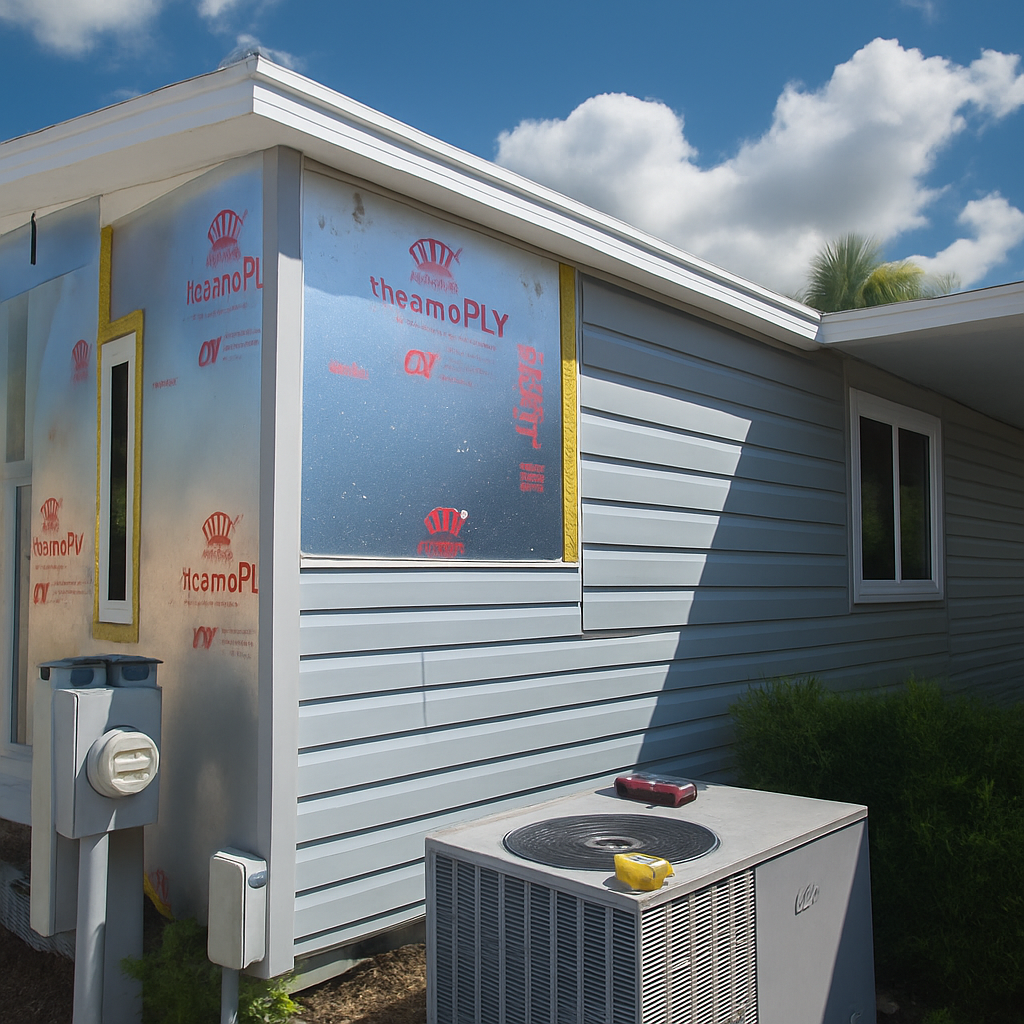
Our Proven 4 Step Mobile Home vapor barrier Repair Process
Step 1 — Free Under-Home Inspection
We check your vapor barrier, insulation, and moisture levels and explain exactly what’s going on under your home.
Step 2 — Clear Diagnosis & Upfront Quote
You’ll know the problem, the solution, and the price — with no surprises.
Step 3 — Professional Installation
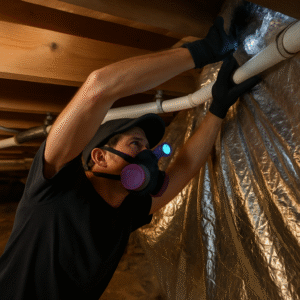
We remove damaged material, seal the underbelly, and install a new vapor barrier built for Florida moisture.
Step 4 — Warranty & Support
Your installation includes a workmanship warranty and ongoing support from a Florida-based team.
Need more than a vapor barrier? We can help.
We repair every part of your mobile home — not just the vapor barrier.
- Hurricane Anchors / Tie Downs
- Mobile Home Flooring Installation
- Mobile Home Siding Installation
- Mobile Home Releveling Experts
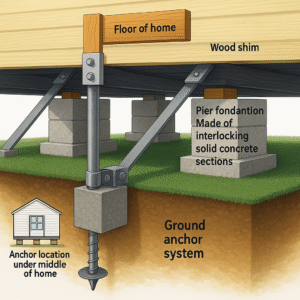
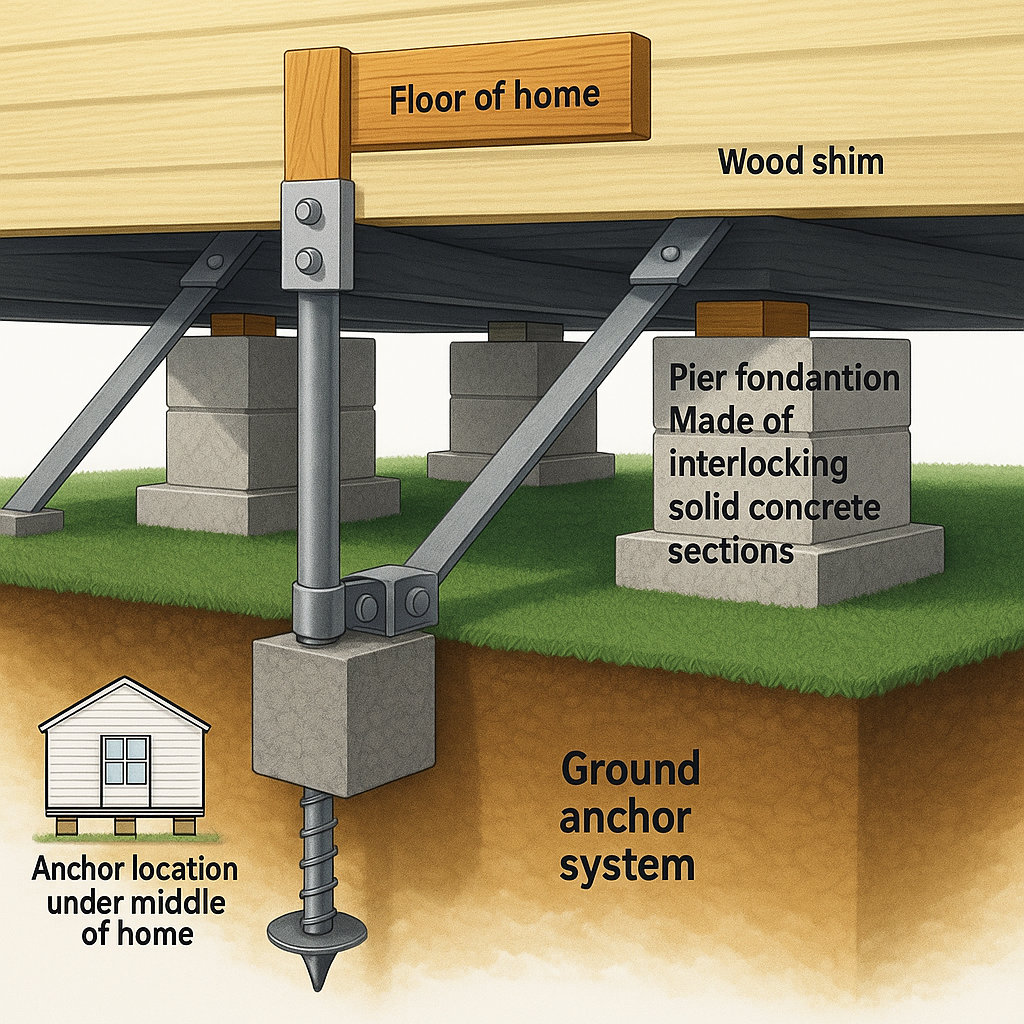
Mobile homes need proper hurricane anchors and tie downs to stay secure during high winds and storms in Florida. A weak or outdated tie-down system can allow shifting, movement, or structural stress that leads to costly damage. Professional installation helps stabilize the home, protect the foundation, and reduce storm risk. Many homeowners search for mobile home hurricane tie-down installation when they start noticing movement or settling — and that’s exactly what we provide.
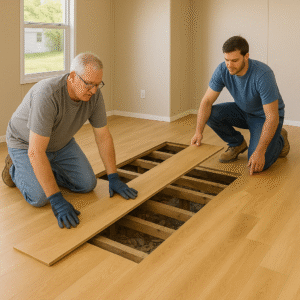
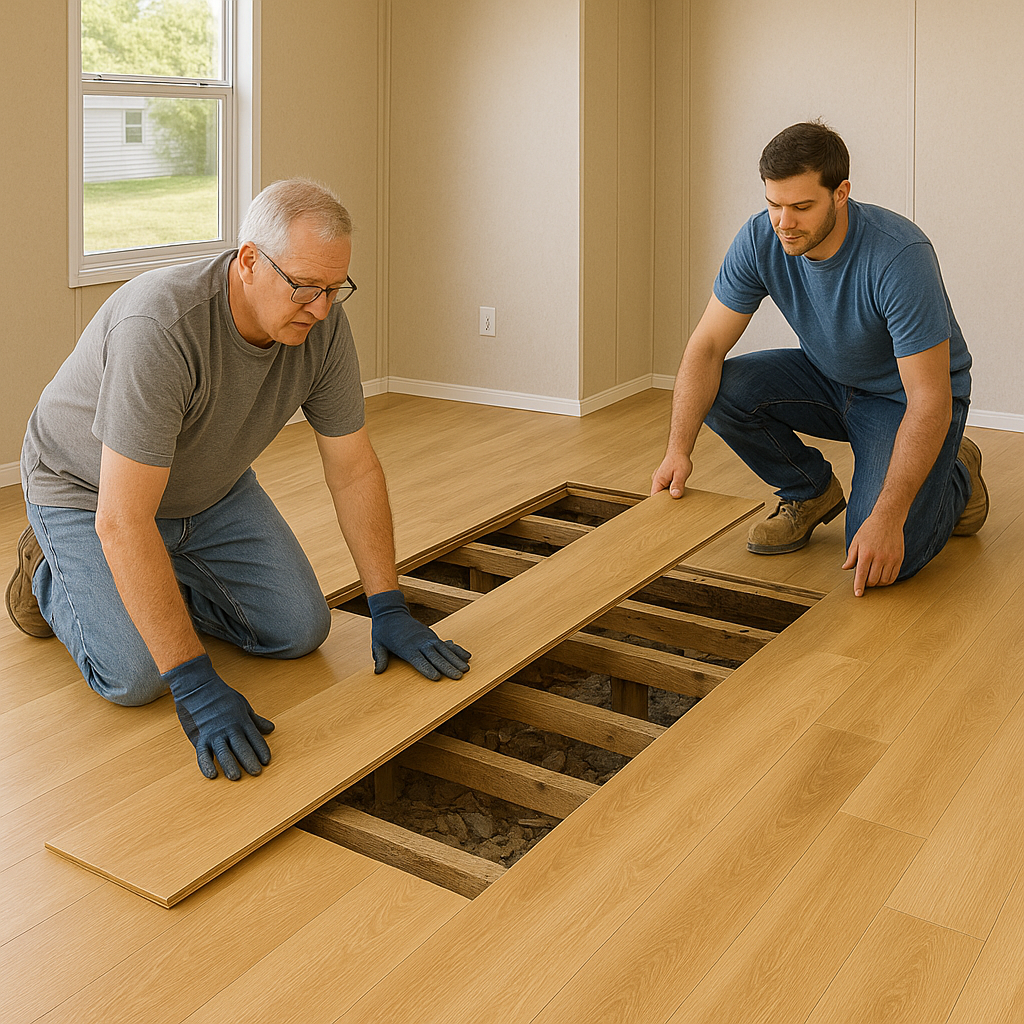
Moisture and underbelly damage often cause soft, sagging, or uneven floors in mobile homes. Installing new flooring helps restore stability, safety, and long-term support inside the home. We remove rotted or damaged materials and replace them with durable options designed for humid Florida conditions. Many people looking for mobile home flooring replacement are dealing with hidden moisture problems — and new floors are often part of the solution.
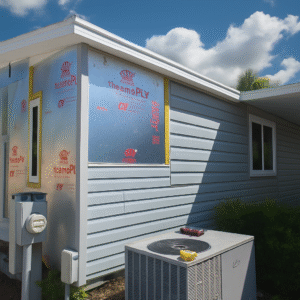
Damaged or aging siding can let water, humidity, and pests into a mobile home, leading to insulation damage and higher energy bills. Installing new siding helps protect the exterior and improve curb appeal while sealing out moisture. We remove loose, warped, or cracked siding and replace it with materials built for Florida heat and storms. Homeowners often search for mobile home siding installation and repair when they notice leaks or exterior damage starting to spread.
Over time, mobile homes can settle or shift, causing gaps, crooked doors, slanted floors, and cracks along the walls. Releveling restores the home to a safe, even position by correcting support issues under the structure. This helps prevent long-term stress and damage to the frame, flooring, and windows. Many homeowners turn to mobile home releveling services when they notice floors dipping or doors no longer closing properly.
- Mobile Home Vapor Barriers
- Mobile Home Sagging Floors Repairs
- Mobile Home Carport Contractors
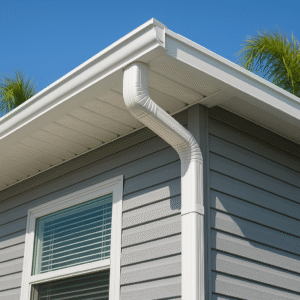
- Mobile Home Gutter Installation
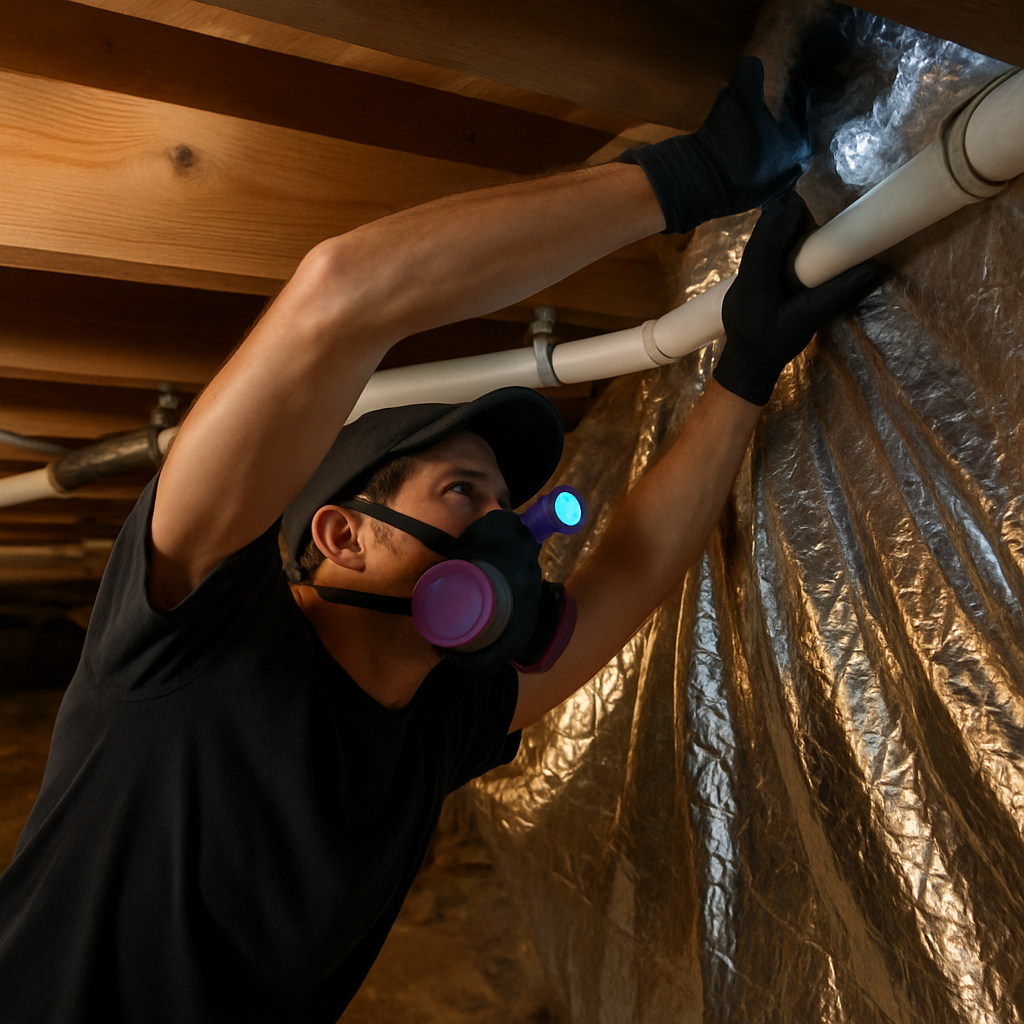
A torn or missing vapor barrier allows ground moisture to rise into the mobile home, leading to mold, soft floors, and insulation failure. Installing a new vapor barrier seals the underbelly and helps protect the structure from humidity and rot. This is one of the most important steps in preventing long-term damage in Florida’s climate. Homeowners researching mobile home vapor barrier replacement are often dealing with moisture, mildew smells, or sagging floors — all signs the barrier has failed.
Soft or sagging floors are a common sign of moisture damage under the home. We repair weakened joists and subflooring, remove damaged wood, and restore safe, solid support. Fixing sagging floors early helps prevent further structural issues and expensive repairs. Many people looking for mobile home sagging floor repair are also facing vapor barrier or underbelly problems — and we can address both.
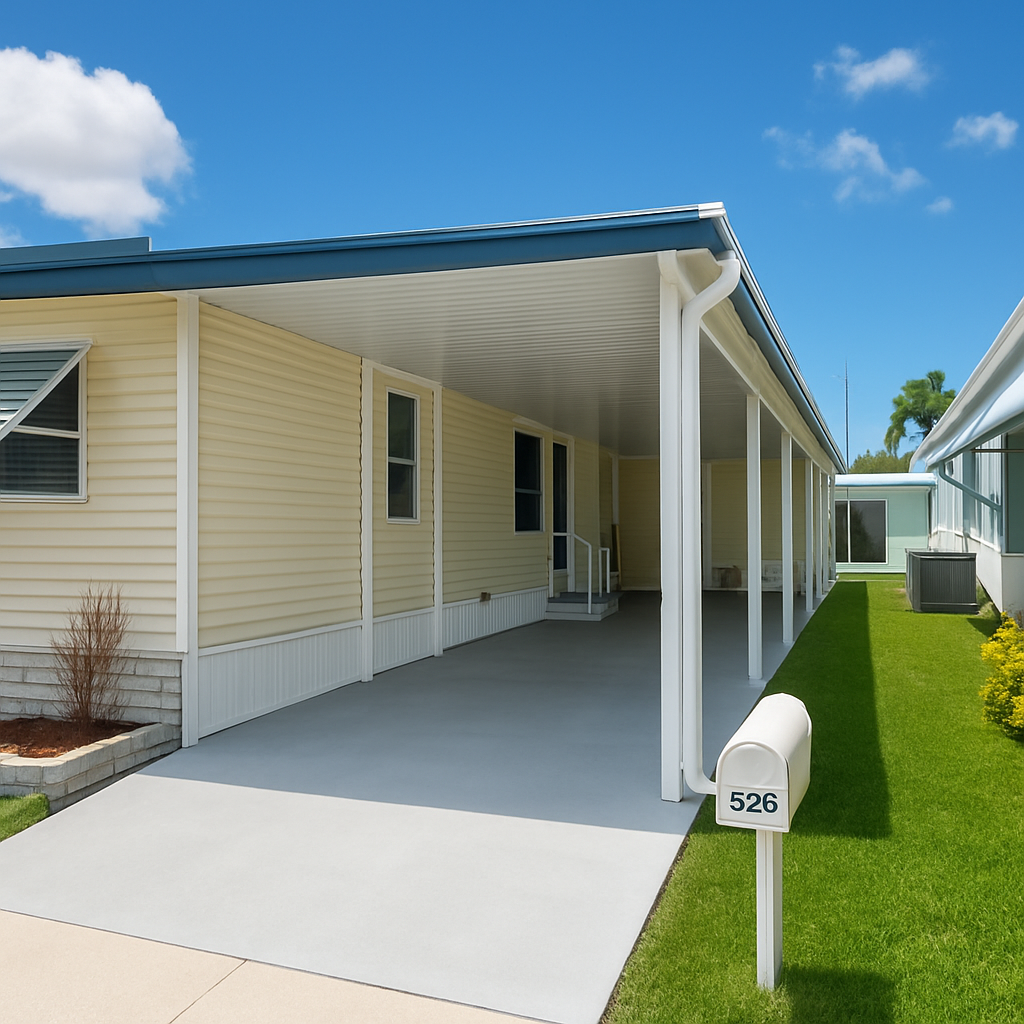
Carports help protect vehicles, entryways, and outdoor areas from sun, rain, and storm debris. We install and repair mobile home carports built for Florida weather and long-term durability. A new carport can improve convenience, safety, and property value. Homeowners searching for mobile home carport installation or replacement often want better protection during hurricane season or heavy storms.
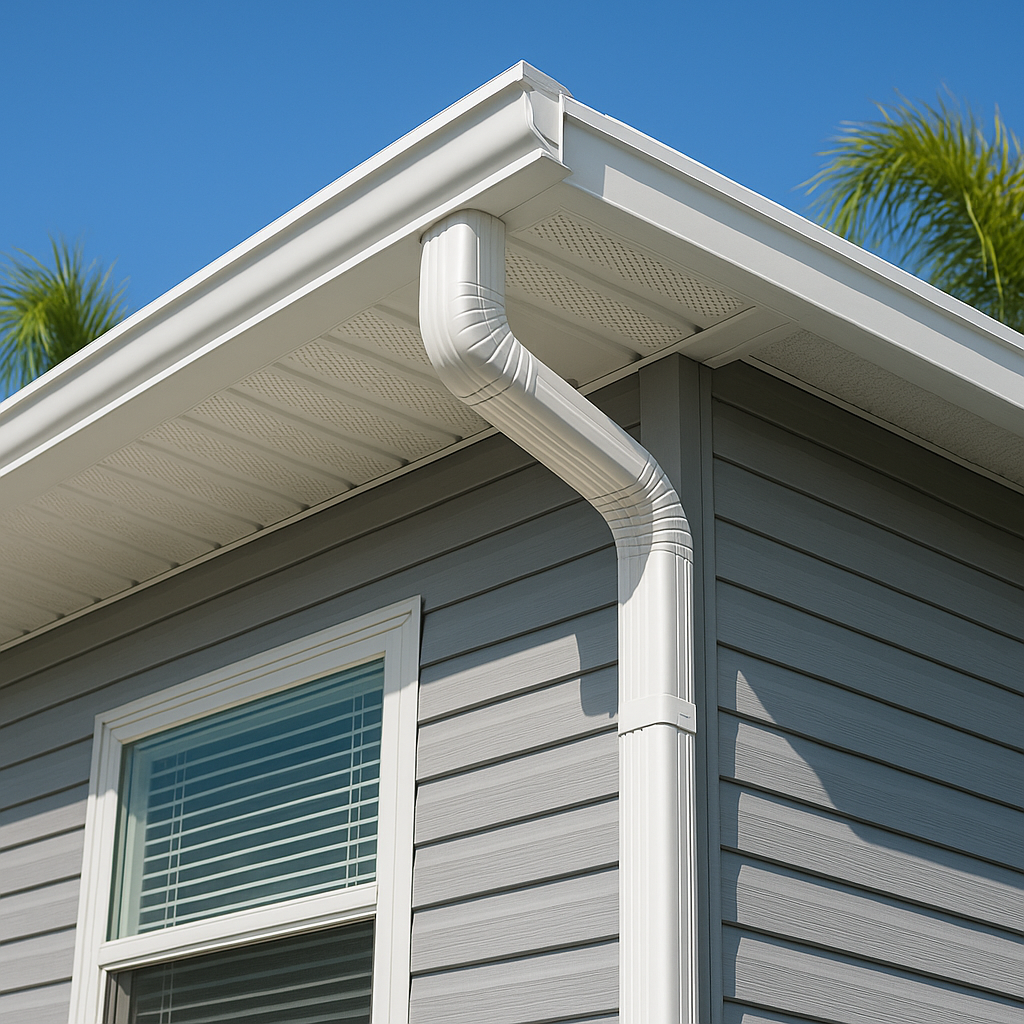
Without proper gutters, rainwater can pool around the home, causing erosion, moisture buildup, and underbelly damage. We install seamless gutter systems that direct water away from the structure to protect the foundation and vapor barrier. This helps reduce long-term maintenance issues and moisture-related repairs. Many homeowners look for mobile home gutter installation when they notice pooling water or moisture collecting under the home.
State Certified General Contractors CGC 004138 • Trusted by Local Homeowners
Why homes in Winter Park get Moisture Damage
Winter Park is surrounded by lakes such as Lake Osceola, Lake Maitland, and Lake Virginia, all of which contribute to constant humidity and soil that stays damp for extended periods. Mobile home communities like Lakeshore Mobile Home Park and Winter Park Estates often struggle with torn vapor barriers, wet insulation, and mildew because the combination of tree cover, afternoon storms, and high groundwater levels limits under-home airflow. The mix of sandy and loamy soil in the region further encourages moisture to rise into the underside of mobile homes. Our team understands Winter Park’s unique environmental conditions and provides targeted repairs that stop ongoing moisture intrusion and protect your home’s structure.
1. How does Winter Park’s chain of lakes and high groundwater levels increase the need for a mobile home vapor barrier?
Winter Park sits among Lake Osceola, Lake Virginia, Lake Maitland, and other connected waterways, creating naturally high soil moisture. Even mobile homes several blocks away from the lakes experience humidity rising from the ground into the crawlspace. This moisture saturates insulation, weakens wooden subfloors, and increases mold activity. Without a vapor barrier, indoor humidity also rises and causes musty odors. A vapor barrier blocks ground moisture before it enters the home, keeping the underside dry. It improves comfort and reduces cooling strain during Florida’s long summers. Homes in Winter Park’s water-influenced neighborhoods benefit greatly from this upgrade.
2. Why do mobile home floors in Winter Park become soft or uneven during humid weather?
The combination of lake humidity and frequent afternoon storms makes Winter Park’s soil stay damp for long periods. Wooden subflooring absorbs this moisture, gradually weakening its structure. As the subfloor softens, the floors above begin sagging, dipping, or feeling spongy. Mold spreads quickly in warm, humid conditions and accelerates deterioration. If left unaddressed, flooring support beams may also weaken. Our mobile home floor repair service solves these issues by correcting moisture damage at its source.
3. How can a carport protect vehicles and outdoor belongings from Winter Park’s heat and sudden thunderstorms?
Central Florida’s strong UV light fades vehicle paint, cracks dashboards, and overheats interiors. Winter Park also experiences rapid weather shifts, where storms appear unexpectedly in the afternoon. A carport shields cars, boats, bikes, and outdoor tools from sun and rain exposure. It also protects furniture and recreational items from long-term UV damage. Many residents use their carports to store kayaks and outdoor equipment for the lakes. Our carports are built to withstand Winter Park’s heat and storm cycles.
4. How do gutters help mobile homes in Winter Park manage Florida rainfall and soil saturation?
Winter Park receives heavy rainfall during summer months, often overwhelming natural drainage. Water pools around mobile homes and seeps beneath them, increasing crawlspace humidity. This moisture can lead to mold, rusted ductwork, and foundation shifting. Gutters redirect water away from the home and prevent soil erosion around piers. They also reduce splashback that damages siding and skirting. Our gutter systems are designed to handle Winter Park’s frequent downpours.
5. Why are hurricane tie-downs important for Winter Park mobile homes if the city is inland?
Even inland cities like Winter Park experience strong winds from hurricanes and tropical storms. These winds create uplift forces capable of shifting or lifting unanchored mobile homes. Hurricane tie-downs secure the home’s frame to deep-set anchors, adding critical stability. They also protect attached structures like porches, steps, and carports. Florida building codes require mobile homes to maintain wind resistance no matter the county. Our tie-down systems help Winter Park homeowners stay storm-ready.
6. What signs indicate that Winter Park’s sandy, moisture-sensitive soil has caused a mobile home to become unlevel?
Sloped floors, windows that won’t open smoothly, or doors that won’t latch are early signs. Cracks may appear in drywall corners, ceiling seams, or cabinetry trim. Furniture may begin leaning or wobbling even on seemingly flat surfaces. These issues occur when support piers settle unevenly due to soil changes. Unlevel homes can develop long-term structural problems if not corrected. Our releveling service restores proper balance and protects the home’s structural integrity.
7. How does Winter Park’s humidity affect mobile home siding over time?
High humidity encourages algae, mildew, and mold to grow on siding surfaces, especially in shaded or lake-adjacent neighborhoods. Older siding materials absorb moisture and can warp or discolor. Constant sun exposure weakens finishes and causes fading. Storm winds may drive moisture behind the siding, creating hidden rot. Upgraded siding resists humidity and UV exposure far better than older materials. Our siding installations are ideal for Winter Park’s warm, moisture-rich climate.
8. How does a vapor barrier improve indoor comfort and A/C efficiency in Winter Park mobile homes?
A moist crawlspace raises indoor humidity and makes rooms feel warmer than the thermostat setting. The A/C must remove this extra humidity before cooling the air, which increases energy usage. A vapor barrier stops this moisture from entering the home, reducing humidity levels significantly. This helps the cooling system run more efficiently and maintain a more stable indoor temperature. Vapor barriers also reduce odors and improve indoor air quality. For Winter Park’s humid environment, they are a highly effective upgrade.
9. What flooring problems arise when Winter Park experiences rapid weather swings between heat and rain?
Quick shifts from hot mornings to stormy afternoons cause subfloor materials to expand and contract. This movement weakens nails, adhesives, and wood fibers. Soft spots, dips, or squeaks often form as the subfloor deteriorates. Moisture trapped under flooring can cause vinyl or laminate surfaces to bubble or lift. Mold develops quickly beneath damp flooring in Winter Park’s climate. Our flooring repairs address both structural and moisture-related issues.
10. Why do Winter Park homeowners install carports to protect recreational equipment and outdoor tools?
Many residents store bicycles, kayaks, paddleboards, gardening tools, and outdoor furniture outside. Without shade, these items degrade quickly under UV radiation and constant humidity. A carport extends their lifespan by shielding them from heat and rain. It also provides a covered area for hobbies, repairs, or outdoor work. During sudden storms, a carport prevents water damage to valuable outdoor equipment. Our carport systems match Winter Park’s active, outdoor lifestyle.
11. How do gutters help reduce crawlspace humidity in Winter Park neighborhoods near lakes and shaded streets?
Homes near Winter Park’s lakes or under thick tree canopies often retain moisture longer than other areas. Rainwater pooling around the home raises crawlspace humidity and increases mold growth risk. Gutters divert water away from the home to keep soil drier. This protects piers, insulation, and subfloors from moisture damage. Gutters also reduce erosion around foundations. Our gutter systems support proper drainage in Winter Park’s moisture-heavy areas.
12. How do hurricane anchors help protect mobile homes from strong inland wind gusts?
Storms that cross Central Florida often intensify through wind bursts called squall lines. Without proper anchors, mobile homes may rock, shift, or lift when winds hit. Hurricane tie-downs secure the frame and reduce the risk of structural movement. Anchors also improve overall stability and reduce strain on attached rooms. Regular inspections ensure the system stays tensioned and corrosion-free. Our tie-down services help Winter Park residents prepare for severe weather.
13. Why do mobile homes in Winter Park settle even when installed on well-prepared pads?
Soil in Winter Park expands when wet and contracts during dry spells, causing uneven settling over time. Heavy rainfall or long dry periods accelerate this movement. Signs of settling include interior cracks, uneven floors, and sticking doors. Releveling corrects these issues and restores proper weight distribution across the piers. It also reduces long-term stress on the home’s frame. Our releveling service is tailored for Central Florida’s shifting soil conditions.
14. Why does siding in Winter Park often develop algae or mildew buildup faster than in other areas?
The combination of lakes, shade, and frequent rainfall creates damp conditions that algae loves. Shady streets with mature trees trap moisture against the siding for longer periods. Older siding materials are especially prone to staining and warping. Florida sun further weakens these materials over time. Modern siding products better resist moisture penetration and algae growth. Our siding installations are ideal for Winter Park’s climate and landscape.
15. How does a vapor barrier help improve cooling efficiency in Winter Park’s long summer season?
A vapor barrier reduces moisture intrusion from the ground, lowering indoor humidity levels. Lower humidity helps the air feel cooler and improves A/C effectiveness. This reduces strain on the cooling system and helps maintain more stable temperatures. Vapor barriers also prevent condensation on ducts and insulation. Homeowners often notice improved comfort shortly after installation. It’s one of the most valuable upgrades for homes in Winter Park’s humid environment.
16. What flooring issues develop when Winter Park experiences fluctuating humidity throughout the year?
Subfloors expand when humidity rises and contract as the air dries. Over time, this causes loose fasteners, warped boards, and weakened flooring layers. Soft spots or uneven areas may develop in high-traffic zones. Moisture can also cause vinyl or laminate flooring to separate from the substrate. Mold grows rapidly in warm, moist locations beneath the floor. Our floor repair services fix these issues before they spread across the home.
17. Why do Winter Park residents install carports to protect patio furniture and seasonal décor?
Outdoor furniture fades, cracks, or molds quickly when exposed to Florida’s weather. A carport offers shaded, protected space to store cushions, grills, garden décor, and tools. It keeps items dry during sudden storms and shields them from UV rays. Carports also create a covered area for gatherings or projects. Many homeowners appreciate the convenience of added outdoor storage. Our carports align with Winter Park’s blend of outdoor living and suburban charm.
18. How do gutters help maintain soil stability under Winter Park mobile homes?
Heavy rain can wash away sandy soil, making support piers unstable. Gutters direct rainwater away from the home and prevent soil erosion. Stable soil helps maintain the levelness and structural integrity of the home. Reduced moisture also limits humidity in the crawlspace. Proper drainage is essential for long-term home stability in Central Florida. Our gutter systems are engineered to manage Winter Park’s frequent rainfall.
19. What signs indicate that hurricane tie-downs may need inspection in Winter Park mobile homes?
Visible rust, loose straps, or shifting during windy days are key indicators. Moisture in the soil and humidity in the air can weaken anchor components. Soil movement after storms can also reduce tension in the system. Annual inspections help identify early issues before storm season arrives. Addressing concerns early keeps the home stable and compliant with Florida guidelines. Our inspection service ensures Winter Park homes stay protected.
20. How does releveling extend the lifespan of mobile homes in Winter Park’s changing soil conditions?
Releveling corrects uneven settling that occurs due to moisture shifts, rain, and natural soil compaction. A level home experiences less strain on the walls, floors, roof, and structural beams. It also improves the performance of doors and windows by restoring proper alignment. Maintaining levelness helps prevent cracks, leaks, and structural problems. Because Winter Park’s soil changes often, periodic releveling is essential maintenance. Our service helps keep mobile homes stable and safe for the long term.
Contact Florida Anchor and Barrier today to ensure your mobile home is protected with a quality vapor barrier.
Florida Anchor And Barrier
Call to find out if we service your city!
800.681.3772
Service Zone: Altamonte Springs, Apollo Beach, Arcadia, Belleview, Bradenton, Brooksville, Cape Coral, Clearwater, Clermont, Coral Springs, Crystal River, Dade City, Daytona Beach, Deland, Deltona, Dunedin, Englewood, Ellenton, Eustis, Fort Lauderdale, Fort Myers, Fruitville, Hialeah, Hollywood, Homosassa, Inverness, Kissimmee, Lakeland, Largo, Leesburg, Lakewood Ranch, Longboat Key, North Port, New Port Richey, Ocala, Oldsmar, Orlando, Palm Harbor, Palmetto, Parrish, Pinellas Park, Plant City, Port Charlotte, Port St. Lucie, Punta Gorda, Riverview, Ruskin, Safety Harbor, Sanford, Sarasota, Sebastian, Seminole, St. Augustine, St. Cloud, St. Petersburg, Tavares, Tampa, Tarpon Springs, Venice, Winter Haven, Winter Park, Zephyrhills
HEAD OFFICE: 11590 US Hwy 19 N Clearwater, FL 33764