
Mobile Home Gutter Installation & Replacement in Florida
Protect your home from water damage with seamless gutters built for Florida storms
Damage Caused by Missing or Bad Gutters
Rainwater Can Damage Your Floors & Subfloor- Without gutters, water runs straight under your home and soaks the subfloor, insulation, and vapor barrier.
Stops Soil Washouts & Shifting Blocks- Heavy Florida rain erodes the dirt under your home, causing leveling issues and structural movement.
Protects Skirting, Siding & Vapor Barriers – Gutters keep rain from pouring down the sides of your home and destroying skirting panels and underbelly plastic.
Helps Prevent Mold, Rot & Soft Spots – Controlling runoff keeps moisture out of your under-home area, reducing mold, rot, and future sagging floors.
Required by Many Mobile Home Parks – Parks across Florida require gutters to stay compliant and avoid water-related damage.
Types of Gutters We Install and Repair
Seamless aluminum gutters • Downspouts & splash blocks • Gutter guards • Gutter replacement
Storm-damaged gutter removal • Full home gutter systems
Our 4-Step Mobile Home Gutter Installation & Repair Process
Step 1 — Free Gutter Inspection
We start by inspecting your existing gutters or evaluating the need for new installation. We assess for damage, clogs, and drainage issues, ensuring everything is functioning properly.
Step 2 — Detailed Diagnosis & Upfront Quote
Once the inspection is complete, we provide a clear diagnosis of the problem and present you with an upfront quote, so you know the cost before we begin.
Step 3 — Professional Installation or Repair
Our team handles the gutter installation or repair with high-quality materials designed to handle Florida’s weather, ensuring proper water flow and protection from moisture damage.
Step 4 — Warranty & Ongoing Support
Your gutter system comes with a workmanship warranty, and we offer ongoing maintenance and support to ensure your gutters continue to protect your mobile home year-round.
Real Florida Gutter Replacement
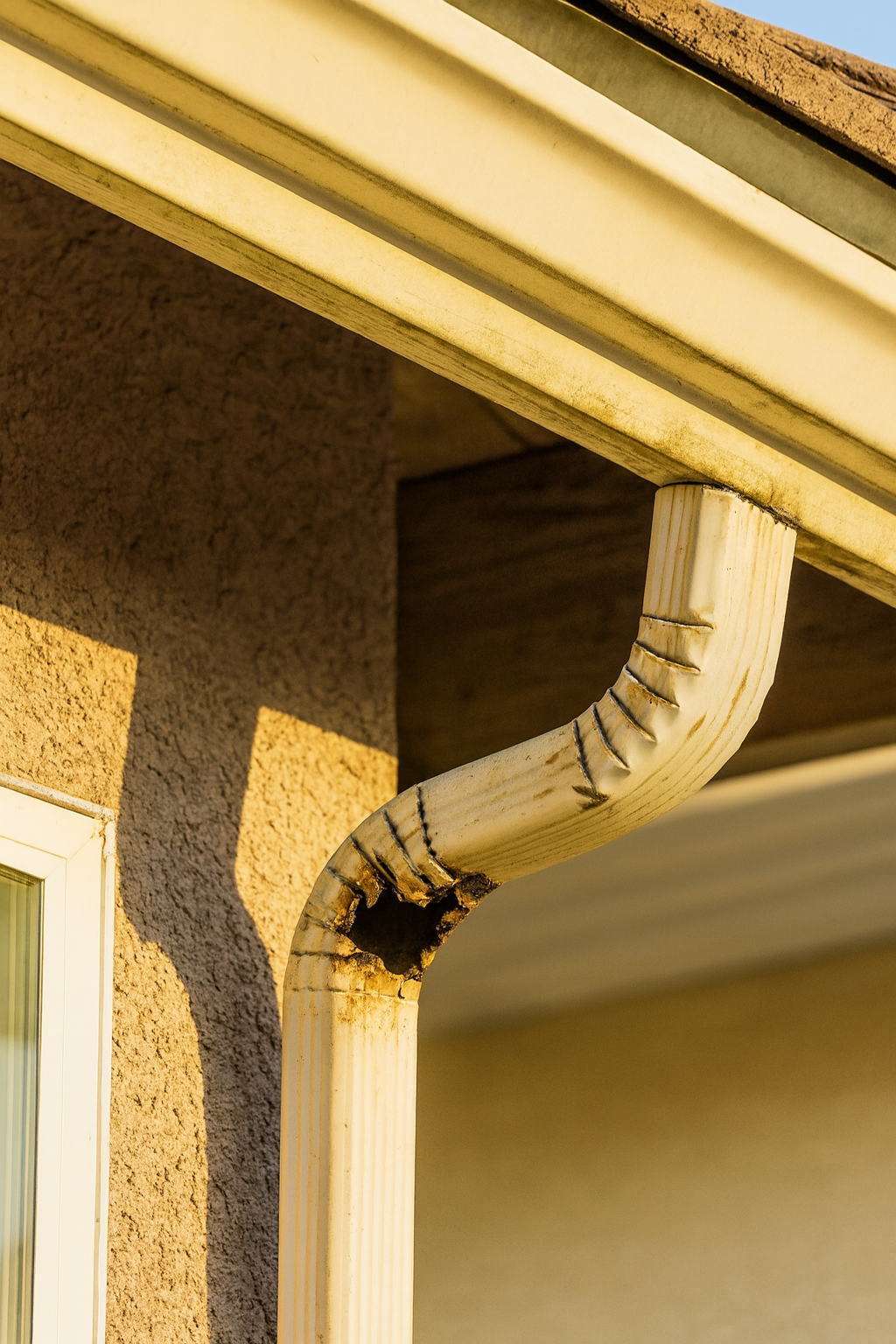
Before
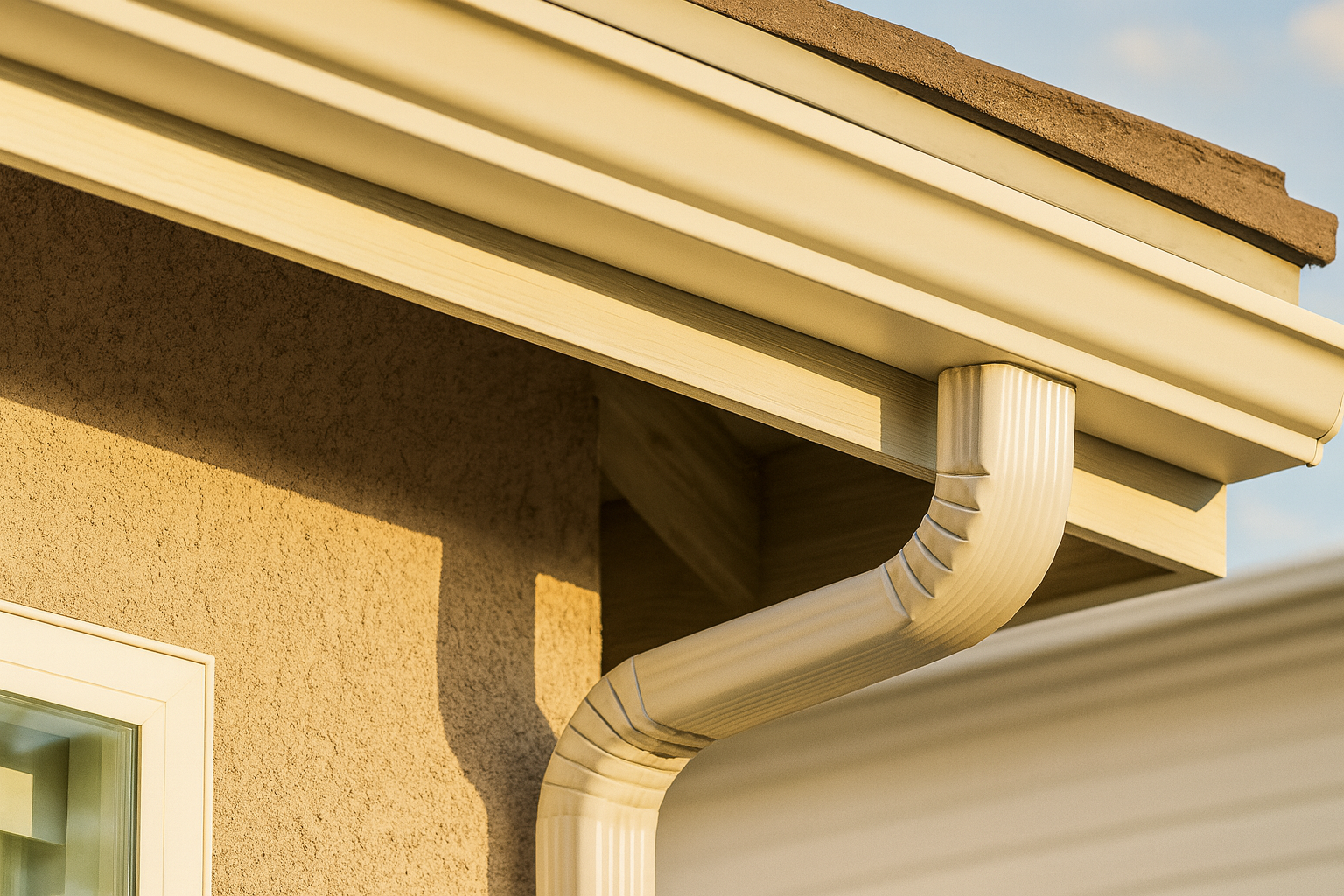
After
Benefits of a New Gutters
Keep Water from Under Your Home
Stops Soil Erosion & Shifting Blocks
Stop Skirting & Siding Damage
Provent Moisture and Water Damage
Withstand Florida’s Heavy Storms
Increases Home Value & Longevity
- Why Choose Florida Anchor and Barrier?
- FAQ’S About Mobile Home Gutter Repair and Replacement
At Florida Anchor & Barrier, we specialize in expert gutter installation and repair to protect your mobile home from water damage, soil erosion, and structural issues. Using high-quality materials built for Florida’s weather, we ensure your gutters provide long-lasting protection. Homeowners trust us for reliable, licensed, and insured workmanship, completed to Florida’s building standards (License CGC 004138), with decades of experience ensuring the job is done right the first time.
1. Why do mobile homes need gutters?
Mobile homes need gutters to direct rainwater away from the foundation, preventing water damage and soil erosion. Without gutters, water can accumulate around the base of the home, leading to problems like flooding, foundation damage, or mold growth. Gutters also protect the landscaping around your home by preventing water runoff from eroding plants or creating mud puddles. Installing gutters also helps protect the roof by reducing the amount of water flowing off the roof, which can cause leaks or damage to the exterior. Properly installed gutters are an essential part of maintaining the structural integrity of your mobile home.
2. How do I choose the right gutters for my mobile home?
Choosing the right gutters for your mobile home depends on factors like climate, budget, and aesthetic preferences. The most common types of gutters for mobile homes are K-style and half-round gutters, both of which can be made from materials like aluminum, steel, or vinyl. Aluminum gutters are lightweight, durable, and resistant to rust, making them a popular choice. Vinyl gutters are affordable and easy to install, though they may not be as long-lasting as metal options. Steel gutters are more durable but can be prone to rust without proper maintenance. The size of the gutters should also be chosen based on the expected rainfall in your area.
3. What is the average cost of installing gutters on a mobile home?
The cost of installing gutters on a mobile home can vary depending on the size of the home, the type of gutters, and the materials used. On average, you can expect to pay between $800 and $2,500 for a full gutter installation. Vinyl gutters are usually the most affordable option, while aluminum and steel gutters tend to cost more due to their durability and longevity. Additional factors like downspouts, gutter guards, and labor costs can increase the overall price. It’s important to get multiple quotes from contractors to find the best deal for your budget.
4. Can I install gutters on my mobile home myself?
Yes, you can install gutters on your mobile home yourself if you have the proper tools and experience with basic home improvement tasks. Many homeowners opt for DIY gutter installation using pre-fabricated gutter kits, which are available in most home improvement stores. The installation process involves measuring and cutting the gutters to fit your mobile home, securing them with hangers, and attaching downspouts. However, installing gutters on a mobile home requires precise measurements and proper placement to ensure they function correctly. If you’re unsure, hiring a professional installer is recommended to ensure a long-lasting, efficient system.
5. How long do gutters last on a mobile home?
The lifespan of gutters on a mobile home depends on the material used, maintenance, and climate conditions. Aluminum gutters can last between 20 to 30 years, while vinyl gutters may last 10 to 20 years. Steel gutters are the most durable but require regular maintenance to prevent rust and corrosion. Regular cleaning and ensuring the gutters are free of debris can extend their lifespan. If you live in an area with heavy snowfall or strong winds, you may need to replace your gutters more frequently. Proper installation and maintenance are key to maximizing the life of your gutters.
6. What are the signs that my mobile home gutters need to be replaced?
Signs that your mobile home gutters need replacing include visible rust, cracks, or holes, which can allow water to leak and damage your home. Clogged or sagging gutters that can no longer direct water properly are another indicator. If you notice water pooling around the foundation of your mobile home or standing water in the gutters, it’s time for an inspection. Additionally, gutters that are pulling away from the home or becoming detached may need to be replaced. Regular gutter inspections can help prevent more significant damage and costly repairs.
7. How often should I clean the gutters on my mobile home?
You should clean the gutters on your mobile home at least twice a year: once in the spring and once in the fall. This ensures that debris like leaves, twigs, and dirt don’t accumulate, which can cause clogs and prevent proper water drainage. If you live in an area with heavy tree coverage or frequent storms, you may need to clean your gutters more often. Clogged gutters can lead to water damage, so it’s essential to maintain them regularly. Use a ladder, gloves, and a scoop to clear debris, and inspect the gutters for any damage during cleaning.
8. Can I add gutter guards to my mobile home gutters?
Yes, adding gutter guards to your mobile home gutters is an effective way to reduce the frequency of cleaning and prevent debris from clogging the gutters. Gutter guards are available in various styles, such as mesh screens, foam inserts, or solid covers. They work by allowing water to flow through while blocking leaves, twigs, and other debris from entering the gutter system. Gutter guards are especially beneficial if you live in a heavily wooded area or want to reduce the risk of mold or pests building up in your gutters. While gutter guards can help keep your gutters cleaner, occasional cleaning may still be necessary.
9. How do I prevent gutter damage during winter?
To prevent gutter damage during winter, it’s essential to clear them of debris before the cold weather sets in. Clogged gutters can lead to ice dams, which occur when melting snow refreezes in the gutters, causing water to back up and potentially damage the roof, gutters, or even the foundation. You can prevent ice dams by ensuring your gutters are clear, and by adding heat cables to the gutters to prevent ice buildup. Additionally, consider installing properly angled gutters that allow water to drain efficiently and prevent standing water during the winter months.
10. What are the benefits of seamless gutters for mobile homes?
Seamless gutters offer several advantages for mobile homes, including fewer seams and joints where leaks can occur. Since they are custom-fabricated to fit the exact measurements of your mobile home, seamless gutters provide a cleaner, more attractive appearance and are more durable than traditional sectional gutters. They are less likely to become clogged with debris at the seams and require less maintenance overall. Seamless gutters also help prevent rust and water damage since there are fewer areas where water can seep through. While they can be more expensive to install, their longevity and low maintenance make them a worthwhile investment.
11. What size gutters are best for my mobile home?
The ideal gutter size for a mobile home typically ranges from 5 to 6 inches wide, depending on the volume of rain your area experiences. A 5-inch K-style gutter is standard for most mobile homes and can handle moderate rainfall. In areas with heavier rainfall, a 6-inch gutter may be necessary to manage the increased water flow. When choosing the size of your gutters, consider the pitch of your roof and the amount of rainfall your home receives. A professional contractor can help determine the best size for your specific needs.
12. How do I install downspouts for mobile home gutters?
Installing downspouts for mobile home gutters involves attaching the downspouts to the gutter system and ensuring they direct water away from the foundation. First, measure the length and position of the downspouts, making sure they are evenly spaced along the length of the gutter. Cut the downspout sections to the desired length, then attach them to the gutters using brackets or clips. Ensure the downspouts are angled to direct water away from the home, ideally at least 3-4 feet from the foundation. Consider using extensions or splash blocks to guide water further away from your mobile home.
13. Can mobile home gutters handle heavy rainfall?
Yes, mobile home gutters can handle heavy rainfall if they are properly sized and installed. A 5 to 6-inch K-style gutter, when combined with properly installed downspouts, is generally sufficient for heavy rainfall. However, if you live in an area with frequent heavy storms or flooding, you may need to consider larger gutters, such as 6-inch gutters, or install additional downspouts to ensure proper water drainage. Regular maintenance, such as cleaning and inspecting for damage, is crucial to ensure the gutters continue to function properly during heavy rain.
14. What are the best gutter materials for mobile homes in humid climates?
In humid climates, aluminum and copper gutters are the best choices for mobile homes. Aluminum gutters are lightweight, durable, and resistant to rust, making them ideal for areas with high humidity or frequent rainfall. Copper gutters, while more expensive, offer an elegant appearance and naturally resist corrosion, making them perfect for humid environments. Avoid vinyl gutters in humid areas, as they can crack or degrade over time due to moisture exposure. Regular maintenance will help ensure that these materials last longer in humid conditions.
15. How do I fix leaks in my mobile home gutters?
To fix leaks in your mobile home gutters, first identify the source of the leak. If the leak is at a joint or seam, you can apply a waterproof sealant or silicone to seal the gap. For small holes, you can patch them with a special gutter patch kit that includes materials like rubberized coatings or metal patches. If the leak is caused by rust, you may need to replace that section of the gutter. Regular inspections and cleaning can help prevent leaks from developing in the first place, ensuring the longevity of your gutter system.
16. What should I do if my mobile home gutters are overflowing?
Overflowing gutters on a mobile home are often caused by clogs or improper installation. Start by clearing the gutters of debris such as leaves, twigs, or dirt that may be blocking the flow of water. If the gutters are still overflowing, check for leaks, sagging, or gaps where water can escape. It’s also important to ensure that the gutters are properly pitched to allow water to flow toward the downspouts. In some cases, it may be necessary to install larger gutters or additional downspouts to handle the water more effectively.
17. Are gutter guards worth the investment for mobile homes?
Yes, gutter guards are worth the investment for mobile homes, especially if you live in an area with a lot of trees or debris. Gutter guards prevent leaves, twigs, and other debris from entering the gutters, reducing the need for frequent cleaning. They also help maintain proper water flow and reduce the risk of clogs, which can cause water damage to the home’s foundation. Although they require an initial investment, gutter guards save time on maintenance and help extend the life of your gutters by preventing rust and corrosion caused by stagnant water.
18. How do I clean mobile home gutters effectively?
To clean your mobile home gutters effectively, start by using a ladder to safely access the gutters. Wear gloves and use a scoop or trowel to remove debris such as leaves, twigs, and dirt. After clearing the debris, use a hose to flush the gutters and downspouts to ensure water flows freely. Pay special attention to corners and joints where debris can accumulate. While cleaning, inspect the gutters for any damage, such as cracks or rust, and address these issues immediately to prevent further problems.
19. What is the best way to install gutters on a flat-roofed mobile home?
Installing gutters on a flat-roofed mobile home requires careful attention to ensure proper water drainage. The gutters should be pitched slightly toward the downspouts to allow water to flow. It’s important to install the gutters with a slope of about 1/4 inch for every 10 feet of gutter length. Additionally, using larger gutters and more downspouts may be necessary to handle the increased water flow from a flat roof. Consult with a professional contractor to ensure proper installation and prevent water pooling.
20. How do I prevent gutter clogs on my mobile home?
To prevent gutter clogs on your mobile home, install gutter guards to keep debris like leaves and twigs out of the system. Regular cleaning of the gutters is essential to remove any build-up of dirt or leaves. You can also trim trees near your home to reduce the amount of debris that falls into the gutters. Consider installing larger gutters or more downspouts if your home receives heavy rainfall. Regular inspections will help ensure that your gutters remain clear and functional throughout the year.
State Certified General Contractors CGC 004138 • Trusted by Florida Homeowners
Serving all of Florida’s mobile and manufactured homes — including Clearwater, Largo, Pinellas Park, Tampa, Sarasota, and surrounding areas. Our technicians specialize in gutter installation and repairs for homes in parks, co-ops, and private lots, ensuring proper drainage and protection from moisture damage.
Mobile Home Gutter FAQ'S
Properly installed gutters protect a mobile home by directing rainwater away from the walls, skirting, and underside of the home. Without gutters, water runs straight off the roof and can soak into the ground, causing moisture to rise into the vapor barrier, insulation, and subfloor. Over time, this leads to soft floors, mold odors, rusted beams, and shifting soil around the foundation. Gutters also prevent splash-back that stains siding and accelerates exterior deterioration.
Yes—clogged or damaged gutters can cause serious moisture problems under a mobile home. When gutters overflow, water pools around the home and seeps into the ground, increasing humidity under the structure. This moisture can penetrate the vapor barrier, saturate insulation, and cause the plywood subfloor to soften or rot. Many homeowners don’t realize floor damage often starts outside with poor drainage. Keeping gutters clean is one of the easiest ways to protect the entire underside of a mobile home.
Mobile home gutters should be cleaned or inspected at least twice a year, and more often in areas with heavy rain, pine needles, or nearby trees. In Florida, seasonal storms quickly clog gutters with debris, which leads to overflow and water pooling at the base of the home. Regular inspections catch loose brackets, sagging sections, and leaking seams before they cause roof rot or moisture problems under the home. Preventative maintenance extends gutter life and protects the structure.
Mobile home gutters often overflow or sag when debris clogs the downspouts, the gutter pitch is incorrect, or fasteners loosen over time. Florida’s heavy rainfall can quickly overload older or improperly installed gutters, causing them to pull away from the roofline. High humidity also weakens aluminum brackets, and windstorms can bend or detach sections. Once a gutter sags, water spills over the edge and begins eroding soil or damaging the home’s skirting and foundation.
You may need gutter repairs or replacement if you notice water spilling over during rain, sagging sections, rust holes, leaking seams, or gutters pulling away from the roof. Other signs include stained siding, puddles around the home, or water damage near the skirting. If downspouts no longer direct water away from the home, the system may have shifted or become clogged. Regular inspections help prevent structural issues caused by poor drainage around a mobile home.
The best gutter systems for Florida mobile homes are seamless aluminum gutters paired with oversized downspouts to handle sudden, heavy rainfall. Seamless gutters reduce leaks, resist corrosion, and stay more secure in humid conditions than sectional styles. Installing splash guards, gutter hangers, and reinforced brackets also helps the system stay stable during storms. These features prevent overflow, reduce future sagging, and protect your vapor barrier, skirting, and foundation from constant moisture exposure.
Contact Florida Anchor and Barrier today to ensure your mobile home is protected with a quality vapor barrier.
Florida Anchor And Barrier
800.681.3772
Service Zone: Altamonte Springs, Apollo Beach, Arcadia, Belleview, Bradenton, Brooksville, Cape Coral, Clearwater, Clermont, Coral Springs, Crystal River, Dade City, Daytona Beach, Deland, Deltona, Dunedin, Englewood, Ellenton, Eustis, Fort Lauderdale, Fort Myers, Fruitville, Hialeah, Hollywood, Homosassa, Inverness, Kissimmee, Lakeland, Largo, Leesburg, Lakewood Ranch, Longboat Key, North Port, New Port Richey, Ocala, Oldsmar, Orlando, Palm Harbor, Palmetto, Parrish, Pinellas Park, Plant City, Port Charlotte, Port St. Lucie, Punta Gorda, Riverview, Ruskin, Safety Harbor, Sanford, Sarasota, Sebastian, Seminole, St. Augustine, St. Cloud, St. Petersburg, Tavares, Tampa, Tarpon Springs, Venice, Winter Haven, Winter Park, Zephyrhills
HEAD OFFICE: 11590 US Hwy 19 N Clearwater, FL 33764