Mobile Home Carport Installation & Replacement in Florida
Protect your home and vehicles with a durable, Hurricane rated carport
Carports Protect Your Home & Your Cars
- Florida Sun Damages Paint & Interiors – A carport blocks UV heat that fades paint, cracks dashboards, and overheats vehicles.
- Stops Roof Leaks Over Entry Doors- Carports protect door frames and stop water from running into the home.
- Keeps Rain Off Your Entryway – Safer walking in/out of the home during storms.
- Protects Vehicles from Falling Debris – Branches, hail, and storm debris hit the carport—not your car or roof.
- Helps Keep Your Home Cooler- A shaded side of the home lowers indoor temps and reduces A/C costs.
- Adds Value to Your Mobile Home- Well-built carports increase convenience, curb appeal, and resale value.
Reliable Carports for Mobile Homes: Attached & Free-Standing Options
Attached Mobile Home Carports • Free-Standing Carports • Aluminum + Steel Carports
Florida Wind-Rated Carports• Carport Roof Replacements • Carport Extensions & Add-Ons
Our Proven 4 Step Mobile Home Carport Installation Process
Step 1 — Free Consultation & Site Evaluation
We begin with a free consultation, assessing your mobile home’s needs and evaluating your site for the perfect carport design and placement.
Step 2 — Custom Design & Upfront Quote
We provide a custom carport design based on your home and budget, along with an upfront quote — no hidden fees.
Step 3 — Professional Installation
Our skilled team installs your carport with high-quality materials designed to withstand Florida’s weather, ensuring durability and protection.
Step 4 — Warranty & Ongoing Support
Your carport comes with a workmanship warranty, and our team is here for any future support or maintenance needs.
Mobile Home Carport Transformations
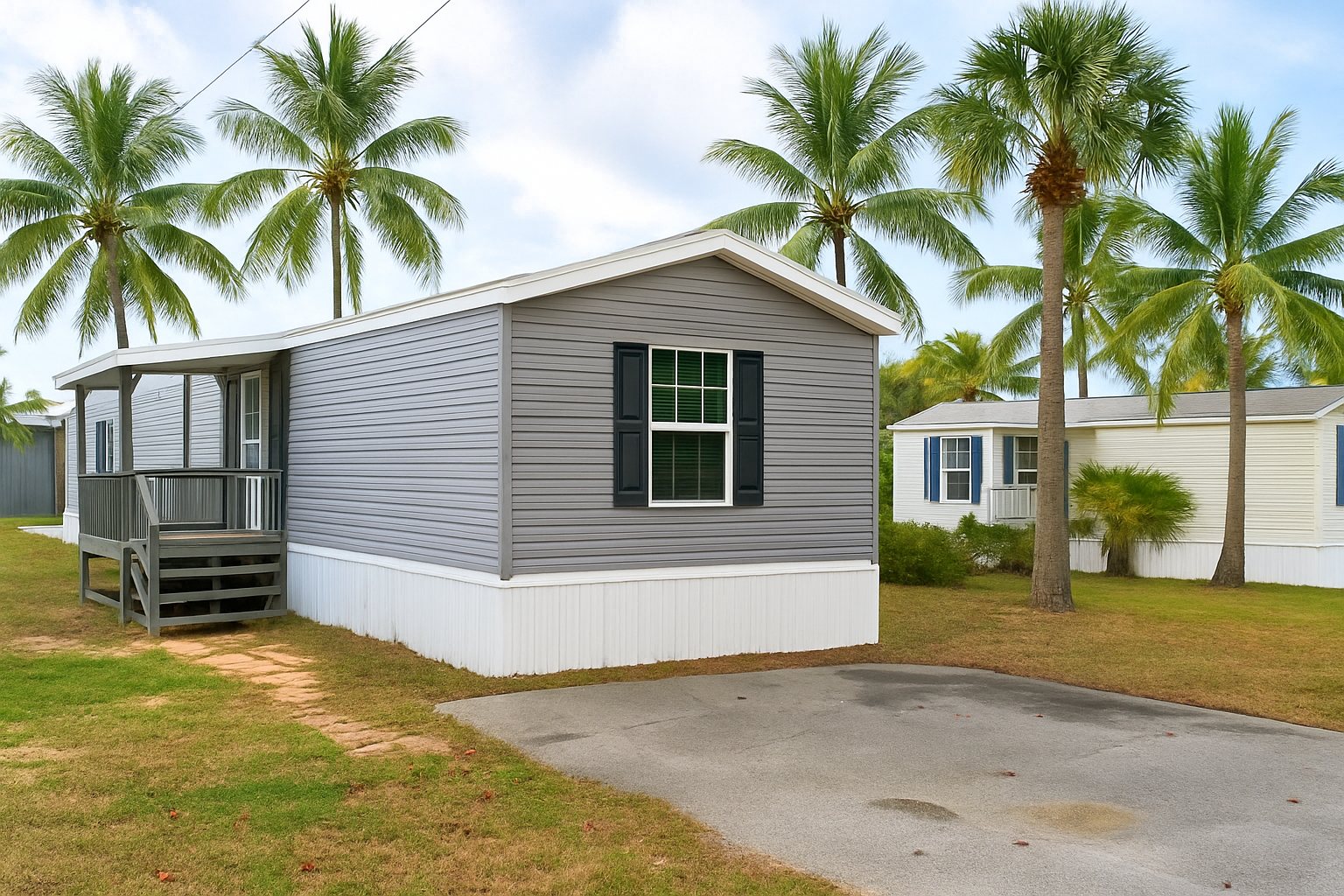
Before
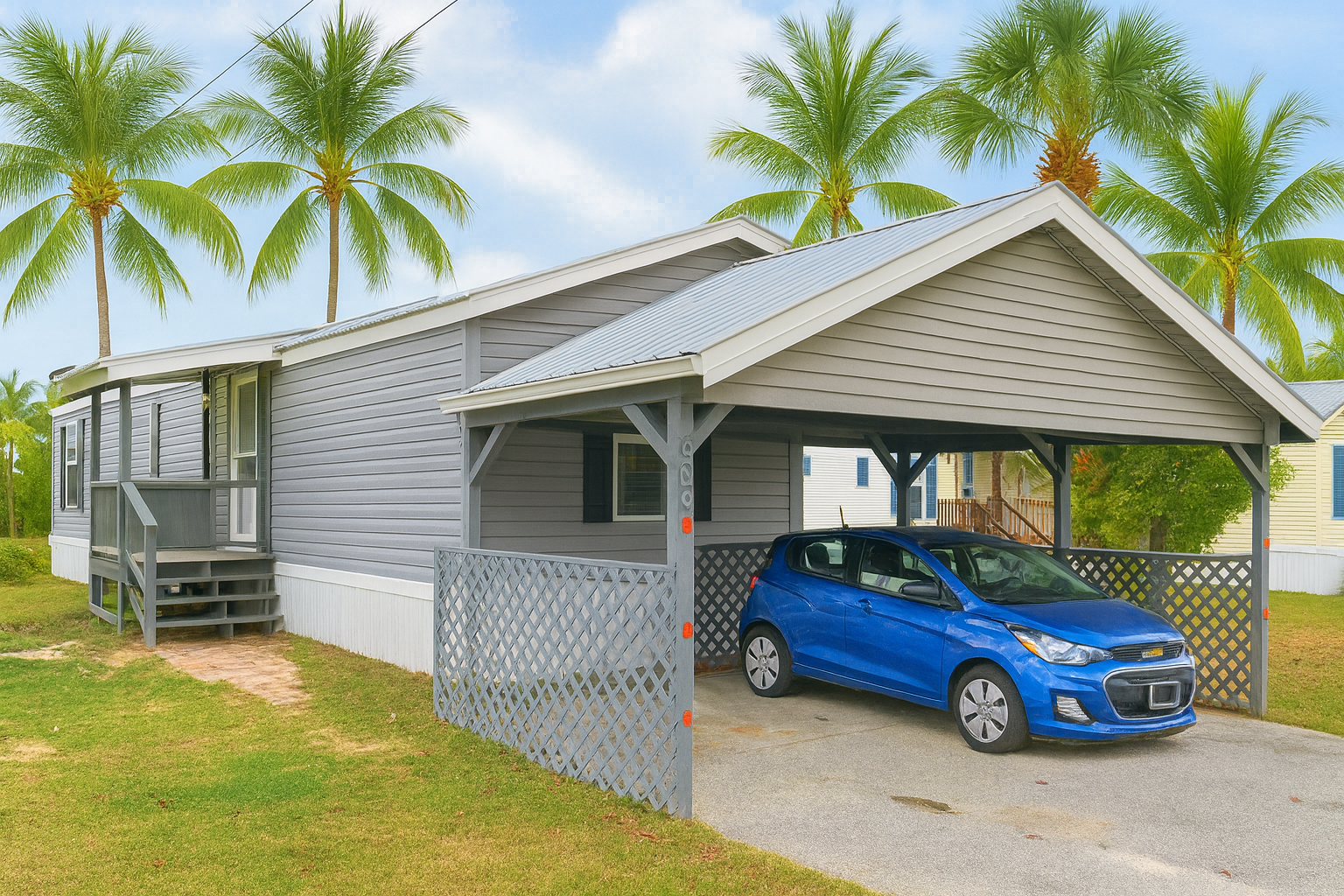
After
Benefits of a New Carport
Protects vehicle windshields
Creates a cooler entryway
Shields your home from sun & rain
Helps reduce interior heat
Prevents water pooling near doors
Adds resale value to the home
Built to Florida wind standards
- Why Choose Florida Anchor and Barrier?
- FAQ’s about Mobile Home Carports
Florida Anchor & Barrier is one of the few companies in this industry led by a State Certified General Contractor (License CGC 004138). That means every carport — whether attached, free-standing, aluminum, or steel — is built to the highest Florida building standards. Homeowners trust us because we don’t cut corners, we document every job, and we provide long-lasting, wind-rated carports designed to withstand Florida’s harsh weather. When you hire us, you’re getting licensed, insured, code-compliant workmanship backed by decades of Florida experience.
1. What is a mobile home carport, and why do I need one?
A mobile home carport is a roofed structure designed to protect your vehicle, boat, or other outdoor items from the elements. It can help shield your car from sun damage, hail, rain, and snow, extending its lifespan. Carports also provide extra storage space for tools or recreational equipment, keeping them safe and out of the elements. Installing a mobile home carport can increase the curb appeal of your home and offer added protection to your home’s exterior. Whether you live in a snowy or hot climate, a carport is a valuable addition that offers convenience and protection.
2. How much does it cost to install a carport for a mobile home?
The cost of installing a carport for a mobile home can vary greatly depending on the materials used, size, and location. On average, you can expect to pay between $2,000 and $5,000 for a standard carport. Steel carports are typically more affordable, while custom options or larger carports made from aluminum or wood can cost more. Additional features like side walls, insulation, or custom roofing will increase the price. It’s important to get a detailed estimate from a contractor to understand the full scope and costs involved.
3. Can I install a carport on a mobile home by myself?
Installing a carport on your mobile home is possible for a skilled DIYer, but it requires careful planning, knowledge of local codes, and proper tools. If you have experience with construction and the right tools, you can purchase a kit that includes all the materials needed for assembly. However, for most homeowners, hiring a professional contractor is recommended to ensure the carport is installed safely, securely, and according to local regulations. A contractor can also ensure that the carport complements the existing structure and that it’s installed on a level foundation.
4. What materials are best for mobile home carport installation?
The best materials for a mobile home carport depend on factors like your budget, the climate, and the desired appearance. Steel is the most common and affordable material due to its durability and resistance to rust and corrosion. Aluminum is also popular because it’s lightweight and resistant to rust but may be more expensive. Wood carports offer a more traditional look and can be customized to suit your home’s aesthetic, but they require more maintenance. When choosing materials, consider the longevity, maintenance requirements, and climate in your area.
5. How do I prepare my mobile home for carport installation?
Before installing a carport for your mobile home, you need to prepare the area to ensure a stable foundation. Start by clearing the area where the carport will be installed of debris, rocks, or plants. Check the ground for levelness and make any necessary adjustments to create a flat surface. If you plan to pour a concrete slab or install a gravel base, make sure the area is properly graded for drainage. Additionally, check with local zoning authorities to ensure you have the proper permits and that the carport complies with building codes.
6. What are the benefits of adding a carport to my mobile home?
Adding a carport to your mobile home offers several benefits, including protection for your vehicle from weather elements such as rain, hail, and UV rays. It can also provide additional storage space for tools, outdoor furniture, or recreational equipment. A carport helps maintain the exterior of your mobile home by shielding it from debris and harsh weather conditions. It also improves the aesthetic value and functionality of your home. Furthermore, having a carport can enhance your property’s resale value, making it a worthwhile investment for homeowners.
7. Do I need a permit to install a carport on a mobile home?
In most cases, you will need a permit to install a carport on a mobile home, especially if it is a permanent structure. Local building codes and regulations often require permits for any additions or modifications to a mobile home. The specific requirements vary by location, so it’s essential to check with your local building department before starting the installation. A professional contractor can also help navigate the permitting process to ensure that the carport is installed legally and safely.
8. How long does it take to install a mobile home carport?
The installation time for a mobile home carport depends on the complexity of the design, the materials used, and the size of the structure. On average, it can take anywhere from one to three days to complete the installation. If you hire a contractor, they can typically finish the job quickly, depending on the weather and availability of materials. For DIYers, the project may take longer, especially if you’re building the carport from scratch or need to wait for special materials to arrive.
9. What size carport do I need for my mobile home?
The size of the carport you need depends on the type and number of vehicles you plan to store. A single carport typically measures 12 to 18 feet wide and 20 to 24 feet long, providing enough space for one vehicle. If you plan to park two cars or need extra storage space, a double carport, which is usually around 20 to 24 feet wide, may be more appropriate. Be sure to account for the height of your vehicles or any other items you plan to store under the carport. Consulting with a contractor can help determine the ideal size for your needs.
10. How do I ensure my mobile home carport is stable and secure?
To ensure your mobile home carport is stable and secure, it’s crucial to install it on a level foundation. A concrete slab or gravel base is typically the best option for providing stability. The carport should be anchored to the ground or the mobile home structure to prevent it from shifting during strong winds or storms. Additionally, use high-quality materials, such as steel beams and anchors, to enhance the carport’s durability. A professional contractor can ensure the carport is securely installed and meets safety standards.
11. Can a carport protect my mobile home from storms and high winds?
Yes, a well-installed carport can help protect your mobile home from storms and high winds. While a carport is not a full protective structure like a hurricane-rated shelter, it can shield the exterior of your home from flying debris during storms. Additionally, anchoring the carport to the ground and using heavy-duty materials can provide extra resistance to high winds. In regions with frequent storms or hurricanes, consider adding side panels or reinforcing the carport structure to increase protection.
12. What kind of maintenance does a mobile home carport require?
Mobile home carports require minimal maintenance but should still be inspected regularly to ensure their longevity. For metal carports, check for rust or corrosion and clean the surface periodically to prevent buildup. Wooden carports require more attention, as they should be stained or sealed to protect against moisture and pests. Additionally, clear any debris from the roof and gutters to ensure proper drainage and avoid water damage. Checking the structural integrity of the posts and anchors will also help keep the carport secure.
13. Can I add sidewalls or enclose a mobile home carport?
Yes, you can add sidewalls or enclose your mobile home carport to provide additional protection from the elements. Enclosing the carport with walls or panels can create extra storage space or a more secure shelter for your vehicle. You can choose from materials like metal panels, wood, or vinyl, depending on the desired look and durability. Keep in mind that adding sidewalls may require additional permits, as it could alter the structure’s classification or functionality. Consult with a contractor to ensure the enclosure is done correctly and complies with local codes.
14. What are the different types of mobile home carports?
There are several types of mobile home carports to choose from, including standalone carports, attached carports, and custom designs. Standalone carports are freestanding structures that don’t require connection to the mobile home. Attached carports are connected to the side of the mobile home and provide seamless integration with the home’s exterior. Custom carports allow homeowners to choose the size, materials, and design features to suit their needs. The type of carport you choose will depend on your preferences, available space, and budget.
15. Do mobile home carports increase property value?
Yes, adding a carport to your mobile home can increase its property value by improving its functionality and curb appeal. A carport provides a practical solution for parking and storage, which can be appealing to potential buyers. It also enhances the appearance of your mobile home, making it look more complete and well-maintained. If you live in an area where outdoor storage or covered parking is a necessity, a carport can be an attractive feature that adds value to your property.
16. How can I make my mobile home carport more energy-efficient?
To make your mobile home carport more energy-efficient, consider installing a reflective roof that helps reduce heat buildup. Light-colored roofing materials or heat-reflective coatings can reduce the amount of heat absorbed by the structure, helping to keep your mobile home cooler. If you plan to enclose the carport, adding insulation to the walls can further help regulate temperature. Additionally, proper ventilation within the carport will prevent heat and moisture buildup. These energy-saving measures can improve your home’s overall comfort and reduce utility costs.
17. What kind of roof is best for a mobile home carport?
The best roof for a mobile home carport depends on your climate and aesthetic preferences. A steel or aluminum roof is highly durable, resistant to weather elements, and requires minimal maintenance. If you live in an area with heavy snowfall, a pitched roof is recommended to allow snow to slide off easily. For a more cost-effective option, a flat or single-pitched roof can also be effective, though it may not handle heavy snow loads as well. Be sure to choose a roofing material that can withstand the weather conditions in your area.
18. Is it better to buy a pre-fabricated carport kit or hire a contractor for installation?
Whether you should buy a pre-fabricated carport kit or hire a contractor depends on your skills and budget. Pre-fabricated carport kits are affordable, easy to assemble, and are great for DIYers with basic construction experience. They come with all the necessary parts and instructions for installation. However, if you want a custom design, or if you’re not comfortable with DIY projects, hiring a professional contractor might be a better choice. A contractor can handle the installation, ensure proper permits are obtained, and guarantee a secure and stable carport.
19. What is the lifespan of a mobile home carport?
The lifespan of a mobile home carport varies depending on the materials used, the quality of installation, and local weather conditions. On average, steel carports last around 20 to 30 years, while aluminum carports may last up to 40 years with proper care. Wooden carports require more maintenance and may last 15 to 20 years, depending on the materials and environmental factors. To maximize the lifespan of your carport, it’s essential to perform regular maintenance, such as cleaning, rust prevention, and ensuring proper drainage.
20. How do I choose the right carport contractor for my mobile home?
When choosing a carport contractor for your mobile home, it’s important to research and select a licensed, insured professional with experience in mobile home construction. Ask for references and check reviews to ensure they have a good reputation. Ensure the contractor understands local building codes and zoning laws related to mobile homes. Request a detailed estimate that includes the cost of materials, labor, and permits. Finally, make sure the contractor offers a warranty on both materials and labor, providing you with peace of mind after the installation.
State Certified General Contractors CGC 004138 • Trusted by Florida Homeowners
Serving all of Florida’s mobile and manufactured homes — including Clearwater, Largo, Pinellas Park, Tampa, Sarasota, and surrounding areas. Our technicians specialize in the installation and repair of durable, Florida-rated carports for mobile homes in parks, co-ops, and private lots.
Mobile Home Carports FAQ'S
Yes, most mobile home carports can be upgraded with hurricane-rated anchors, additional support posts, stronger beam connections, and reinforced aluminum or steel components to withstand Florida’s wind requirements. Many older carports were not built to today’s standards, so reinforcing them helps prevent roof collapse or separation during storms. Reinforcement focuses on strengthening attachment points to the home, securing posts into the ground, and bracing the roof structure so the entire carport holds up during high-wind events.
Carports in Florida deteriorate faster because constant humidity, salt-rich air, and strong UV exposure weaken aluminum and metal components over time. Windstorms loosen bolts, heavy rain causes corrosion, and storms can shift the support posts. Even if the carport looks fine from the outside, hidden rust or loose connections can form underneath. Florida’s climate naturally accelerates wear and tear, which is why regular inspections and preventative maintenance are essential for long-term safety.
During a carport repair or rebuild, technicians inspect the structure for rust, loose connections, sinking posts, and weak roof panels. Damaged sections are removed, new hurricane-rated supports and anchors are installed, and the frame is reinforced to meet modern wind standards. The roof panels and trim are tightened or replaced, and all connection points are secured to prevent movement during storms. A full rebuild restores strength, stability, and safety while extending the carport’s overall lifespan.
A mobile home carport can sag or pull away when the support posts shift, the roof begins to rust, or windstorms loosen the structural bolts. In Florida, heavy rain and strong winds put extra stress on older carports, causing the aluminum frames to separate or lean. Once the posts lose stability, the entire structure can become unsafe. Regular inspections, especially after storms, help prevent long-term structural problems and costly repairs.
Signs your carport needs repair include leaning support posts, loose roof panels, rusted bolts, rattling during wind, or sections that appear to dip or sag. If you see gaps forming where the carport meets the home, that’s a sign the structure is shifting and needs attention. Because Florida storms and high winds can weaken carports gradually, small issues often become major hazards if ignored. A professional inspection determines whether reinforcement or structural repair is needed.
The best materials for carport repairs in Florida are heavy-gauge aluminum, galvanized steel fasteners, hurricane-rated anchors, and corrosion-resistant hardware designed for humid, coastal environments. These materials withstand high winds, heat, and salt exposure better than standard components. Upgrading old fasteners and adding modern hurricane straps and anchors makes the carport stronger and more secure. Using durable, weather-resistant materials also extends the lifespan of older aluminum carports and reduces the need for frequent repairs.
Contact Florida Anchor and Barrier today to ensure your mobile home is protected with a quality vapor barrier.
Florida Anchor And Barrier
800.681.3772
Service Zone: Altamonte Springs, Apollo Beach, Arcadia, Belleview, Bradenton, Brooksville, Cape Coral, Clearwater, Clermont, Coral Springs, Crystal River, Dade City, Daytona Beach, Deland, Deltona, Dunedin, Englewood, Ellenton, Eustis, Fort Lauderdale, Fort Myers, Fruitville, Hialeah, Hollywood, Homosassa, Inverness, Kissimmee, Lakeland, Largo, Leesburg, Lakewood Ranch, Longboat Key, North Port, New Port Richey, Ocala, Oldsmar, Orlando, Palm Harbor, Palmetto, Parrish, Pinellas Park, Plant City, Port Charlotte, Port St. Lucie, Punta Gorda, Riverview, Ruskin, Safety Harbor, Sanford, Sarasota, Sebastian, Seminole, St. Augustine, St. Cloud, St. Petersburg, Tavares, Tampa, Tarpon Springs, Venice, Winter Haven, Winter Park, Zephyrhills
HEAD OFFICE: 11590 US Hwy 19 N Clearwater, FL 33764