Mobile Home Floor Repairs & Subfloor Replacement in Florida
Fix sagging floors, soft spots, and rotted subfloors—installed fast by licensed experts.
Soft and Sagging Floors in Mobile Homes are a sign of much bigger problems
- Water Damage Under the Home – Moisture from tears in the underbelly soaks the subfloor and weakens it.
- Old Particle Board Flooring- Many older mobile homes used particle board that breaks down when wet.
- Sagging or Broken Floor Joists- Joists lose strength over time, causing dips and bouncy areas.
- Plumbing Leaks – Kitchen, bathroom, and water heater leaks create hidden soft spots.
- Heavy Furniture Over Weak Areas – Weight compresses already-weak subfloors, making floors unsafe.
- Previous DIY Repairs- Improper patches fail quickly, leading to larger, more expensive damage.
What our Customers Say About Us
What We Repair
Soft or spongy floors • Flooring dips and sags • Rotted subfloors • Broken floor joists •
Water-damaged particle board • Full flooring installation (vinyl, laminate, LVP)
Our Proven 4 Step Mobile Home Vapor Barrier Repair Process
Step 1 — Free Under-Home Inspection
We check your vapor barrier, insulation, and moisture levels and explain exactly what’s going on under your home.
Step 2 — Clear Diagnosis & Upfront Quote
You’ll know the problem, the solution, and the price — with no surprises.
Step 3 — Professional Installation
We remove damaged material, seal the underbelly, and install a new vapor barrier built for Florida moisture.
Step 4 — Warranty & Support
Your installation includes a workmanship warranty and ongoing support from a Florida-based team.
Real Florida Floor Repairs
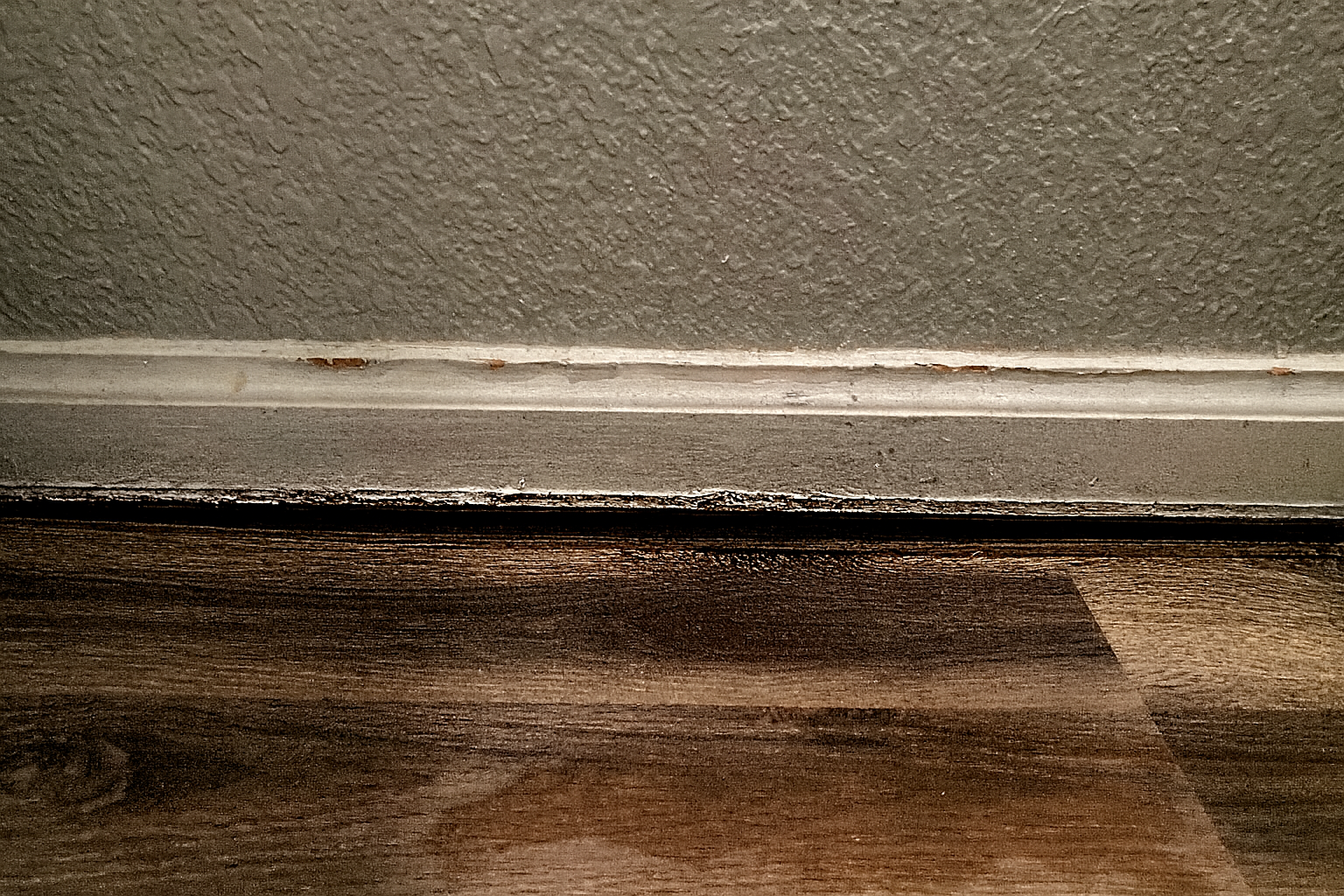
Before
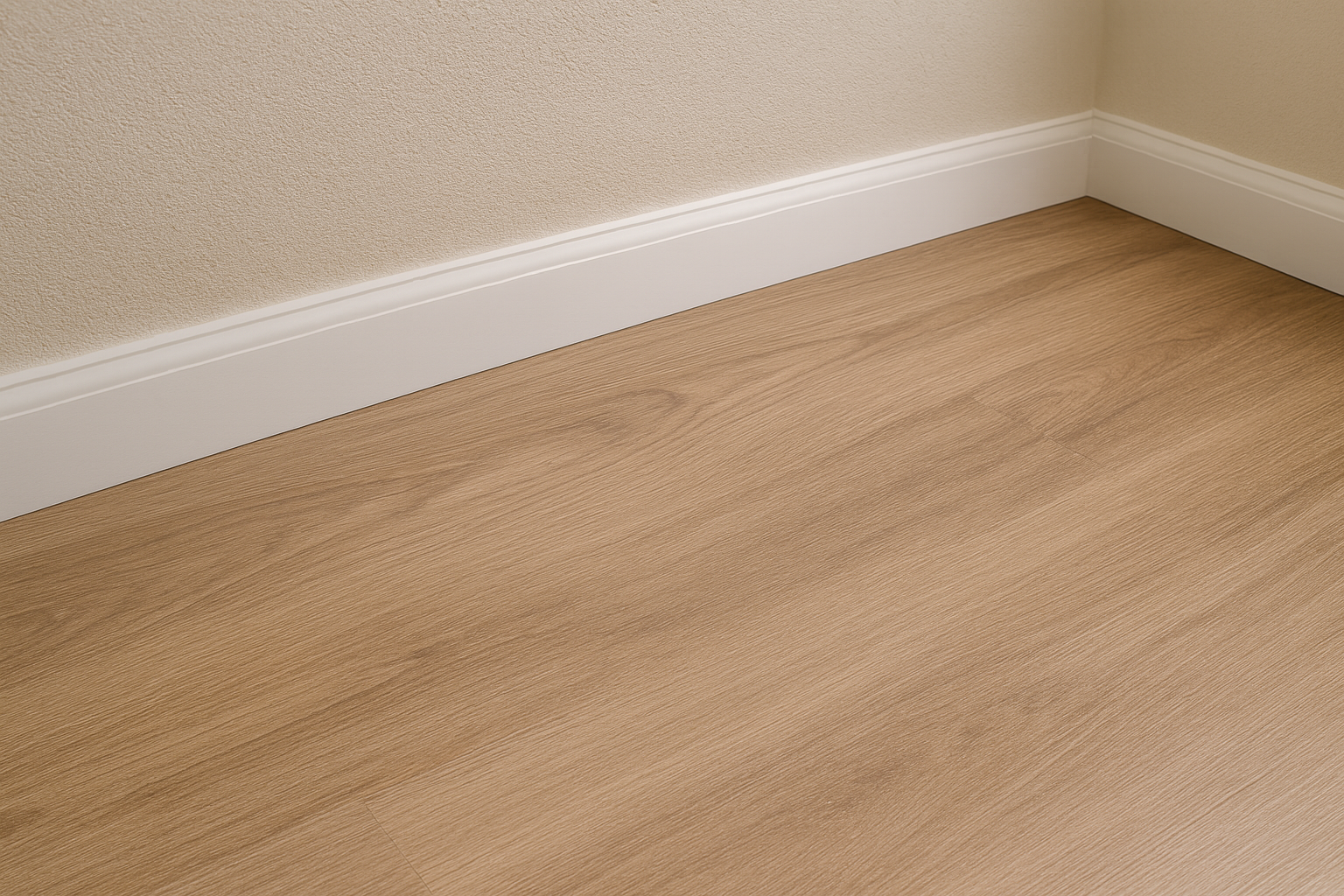
After
Benefits of Proper Floor Repair
Strengthens weak floors
Removes unsafe soft spots
Prevents future sagging
Stops mold and odor issues
Protects against future leaks
Makes your home feel solid again
Adds value and safety to the home
- Why Choose Florida Anchor and Barrier?
- Frequently Asked Questions about Vapor Barriers
Florida Anchor & Barrier is one of the few companies in this industry led by a State Certified General Contractor (License CGC 004138). That means every repair — vapor barriers, anchors, leveling, flooring, carports, gutters, and under-home work — is completed to strict Florida building standards. Homeowners trust us because we don’t cut corners, we document every job, and we solve moisture, stability, and structural problems the right way the first time. When you hire us, you’re getting licensed, insured, code-compliant workmanship backed by decades of Florida experience.
Q1: What is a mobile home vapor barrier and why is it important in Florida?
A vapor barrier is a protective layer installed beneath your mobile home to block moisture rising from the ground. In Florida, where humidity and rainfall are constant challenges, a vapor barrier prevents water from damaging insulation, subfloors, and ductwork. Without it, your home becomes vulnerable to mold growth, sagging floors, pest infestations, and poor air quality. Homeowners searching for “why do I need a vapor barrier under my mobile home in Florida” often learn that it is essential for both structural integrity and health.
Q2: How do I know if my mobile home vapor barrier needs replacement?
Signs of a failing vapor barrier include soft or spongy floors, musty odors inside your home, and visible sagging or torn material under the home. In Florida’s humid climate, these issues appear faster and more aggressively. If insulation feels damp or pests are entering through the underbelly, it’s a strong indication that your vapor barrier is compromised. Many residents searching “signs of damaged vapor barrier Florida mobile home” discover inspections are the only way to confirm the extent of the issue.
Q3: Can a damaged vapor barrier cause mold in my mobile home?
Yes, a torn or failing vapor barrier allows moisture to build up beneath your home, which creates the perfect environment for mold and mildew. Mold not only damages wood and insulation but also circulates into the living space, causing health issues like allergies, asthma, and respiratory discomfort. Florida homeowners searching “does a bad vapor barrier cause mold in a mobile home” often realize replacing the barrier is one of the most effective ways to prevent these problems.
Q4: How does Florida’s climate affect vapor barriers?
Florida’s hot, humid, and rainy weather accelerates wear and tear on vapor barriers. Storms, flooding, and groundwater saturation push excess moisture into crawlspaces, causing barriers to sag or tear. Salt air near coastal areas can also weaken materials over time. That’s why homeowners searching “how Florida weather impacts mobile home vapor barriers” are advised to schedule more frequent inspections than in drier states.
Q5: Can pests enter my mobile home if the vapor barrier is damaged?
Yes, a damaged vapor barrier provides an easy entry point for rodents, snakes, insects, and other pests. Once inside, they can chew wires, damage insulation, and create health hazards. In Florida, where pest activity is high year-round, this is a common problem. Searches for “pests entering through mobile home vapor barrier Florida” often highlight how repairing or replacing the barrier protects both your home’s safety and sanitation.
Q6: What health risks come from a failing vapor barrier?
A failing vapor barrier exposes your mobile home to mold spores, mildew, and pest droppings that compromise indoor air quality. These conditions can trigger allergies, asthma, headaches, and respiratory infections, especially in children or the elderly. In Florida, where heat and moisture accelerate mold growth, these risks are even greater. Homeowners searching “health problems from bad vapor barrier Florida mobile home” often learn prevention is far easier than remediation.
Q7: How often should mobile home vapor barriers be inspected?
In Florida, vapor barriers should be inspected every two to three years, or sooner after major storms, floods, or heavy rainfall events. Inspections allow contractors to identify tears, sagging insulation, and early signs of moisture before they cause severe damage. Many homeowners searching “vapor barrier inspection schedule Florida” make inspections a regular part of their home maintenance plan.
Q8: Can I repair a small tear in a vapor barrier myself?
Small patches may seem like a quick fix, but Florida’s climate makes DIY repairs unreliable. Moisture often seeps through hidden areas that go unnoticed, and patched sections rarely last under constant humidity. A professional replacement ensures the entire underbelly is inspected and repaired properly. Residents searching “can I patch my mobile home vapor barrier in Florida” usually find that professional service saves money and headaches in the long run.
Q9: How does a vapor barrier protect insulation under a mobile home?
Insulation under your mobile home must stay dry to be effective. A vapor barrier prevents ground moisture from soaking into the insulation, which would otherwise make it sag, lose efficiency, and grow mold. In Florida’s wet environment, protecting insulation is critical to keep energy bills manageable and indoor comfort consistent. Searches for “does vapor barrier protect insulation mobile home Florida” show that the barrier is essential for maintaining performance.
Q10: Will a vapor barrier make my mobile home more energy-efficient?
Yes, by keeping insulation dry and preventing air leaks, a vapor barrier reduces the workload on your HVAC system. In Florida, where air conditioners run constantly, keeping the underbelly dry helps maintain cooler indoor temperatures and lowers energy bills. Homeowners searching “does vapor barrier save energy in Florida mobile homes” often discover that it pays off in both comfort and cost savings.
Q11: Can a vapor barrier prevent condensation in ductwork?
Yes, by reducing humidity levels under your mobile home, a vapor barrier minimizes the conditions that cause condensation on ducts. This is especially important in Florida, where air conditioning runs frequently and ducts are vulnerable to moisture. Searches for “prevent duct condensation vapor barrier Florida mobile homes” highlight the importance of a properly sealed underbelly.
Q12: What happens to my floors if the vapor barrier fails?
When vapor barriers fail, moisture weakens the subflooring, causing it to sag, warp, or rot. Floors may feel soft underfoot, and cabinets or doors may no longer sit level. In Florida, these problems progress quickly due to persistent humidity. Many people searching “why are my mobile home floors sagging Florida” find the root cause is a compromised vapor barrier.
Q13: Does every mobile home come with a vapor barrier?
Most modern mobile homes are built with a vapor barrier, but older models may have thin or deteriorated materials that no longer provide protection. Florida homeowners searching “do all mobile homes have vapor barriers” often discover their homes require upgrades to meet today’s standards for safety and efficiency.
Q14: How does a vapor barrier help with storm preparedness?
During Florida’s hurricane season, heavy rains and rising groundwater put tremendous pressure on mobile home foundations. A vapor barrier helps shield the underbelly from excess water, reducing the chance of insulation damage and mold growth. Many residents searching “storm protection vapor barrier Florida mobile homes” learn that a strong barrier is a vital part of hurricane preparedness.
Q15: Can plumbing leaks ruin a vapor barrier?
Yes, leaking pipes or condensation can saturate insulation and tear or weaken vapor barriers. In Florida’s mobile homes, even a small leak left untreated can cause major damage under the home. Searches for “plumbing leaks vapor barrier damage Florida mobile home” emphasize the importance of addressing leaks before replacing the barrier.
Q16: How does skirting work with a vapor barrier?
Skirting surrounds the base of your mobile home, while a vapor barrier covers the ground beneath it. Together, they block moisture, pests, and debris from reaching the underbelly. In Florida, this combination is critical for year-round protection. Homeowners searching “skirting and vapor barrier benefits Florida mobile homes” often choose to upgrade both at the same time for maximum results.
Q17: Can a vapor barrier stop odors in my mobile home?
Yes, moisture and mold under the home create foul odors that rise into the living space. A new vapor barrier blocks this moisture and keeps insulation fresh, eliminating musty smells. Florida residents searching “bad smell under mobile home vapor barrier fix” often find replacement resolves odor issues immediately.
Q18: What pests does a vapor barrier help keep out?
Vapor barriers make it harder for rodents, snakes, insects, and other pests to access your home’s underbelly. Florida’s warm climate supports year-round pest activity, making barriers even more important. Searches like “pests getting into mobile home through vapor barrier Florida” confirm that barrier integrity is key for pest prevention.
Q19: How does a vapor barrier affect indoor air quality?
A failing vapor barrier allows mold spores and allergens to rise from the crawl space into the air you breathe. This contamination lowers indoor air quality, potentially affecting health and comfort. In Florida, where humidity speeds mold growth, keeping barriers intact is essential. Residents searching “improve indoor air quality vapor barrier Florida mobile home” often upgrade their barriers for health reasons.
Q20: How long does a vapor barrier typically last in Florida?
With proper installation and maintenance, a vapor barrier can last 15–25 years in Florida. However, flooding, storm damage, or pests may shorten its lifespan. Searches for “how long does vapor barrier last Florida mobile home” emphasize the importance of routine inspections to ensure it remains effective.
Q21: Can vapor barriers reduce allergy symptoms?
Yes, by blocking mold and mildew growth beneath your mobile home, vapor barriers help reduce allergens in your living space. For Florida families with asthma or seasonal allergies, this makes a noticeable difference in comfort. Homeowners searching “vapor barrier helps with allergies Florida” often invest in replacements for health benefits.
Q22: Is a vapor barrier the same as an underbelly?
No, the underbelly refers to the covering attached to the underside of your home’s frame, while the vapor barrier is laid across the ground. Both serve protective purposes, but together they provide the strongest defense against moisture and pests. Searches like “difference between vapor barrier and underbelly mobile home Florida” often clarify this important distinction.
Q23: How does a vapor barrier protect ductwork?
By reducing moisture levels under the home, a vapor barrier prevents rust, mold, and condensation on ducts. Florida homeowners searching “protect mobile home ductwork vapor barrier Florida” often find replacement critical to maintaining efficient cooling during hot summers.
Q24: Can I add insulation when replacing my vapor barrier?
Yes, many Florida homeowners upgrade damaged or damp insulation at the same time as vapor barrier replacement. This improves comfort, efficiency, and long-term performance. Searches for “replace insulation with vapor barrier Florida mobile home” show that tackling both together ensures a more effective solution.
Q25: What role does a vapor barrier play in resale value?
A mobile home with a strong vapor barrier shows buyers that the property has been well maintained and protected from moisture. In Florida, where moisture damage is common, buyers often ask about barriers during inspections. Searches for “does vapor barrier affect resale value Florida mobile home” highlight its importance in protecting your investment.
Q26: How does a vapor barrier impact sagging floors?
While a vapor barrier doesn’t directly repair sagging floors, it prevents further moisture damage that causes sagging in the first place. In Florida, moisture from the ground is one of the top contributors to weak floors. Homeowners searching “vapor barrier fix sagging floors Florida” often learn it’s part of the solution to stop ongoing deterioration.
Q27: Do vapor barriers help control humidity inside a mobile home?
Yes, vapor barriers prevent moisture from entering through the floor, reducing humidity levels inside your home. In Florida, where AC systems already work hard to manage moisture, this makes a big difference in comfort and energy efficiency. Searches for “vapor barrier control humidity Florida mobile homes” highlight this benefit often.
Q28: Can storm flooding ruin a vapor barrier?
Yes, standing water after hurricanes or tropical storms can overwhelm vapor barriers, leading to sagging and tearing. After major weather events, Florida homeowners should always inspect their underbelly for damage. Searches for “storm flood vapor barrier damage Florida mobile home” show many replacements happen after hurricane season.
Q29: Why should vapor barrier installation be left to professionals?
Professional installers in Florida ensure vapor barriers are properly secured, seams are sealed, and damaged insulation is replaced. DIY attempts often leave gaps, leading to repeated problems. Residents searching “professional vapor barrier installation Florida mobile home” usually find that expert work provides long-term results and compliance with building standards.
Q30: Who is the best vapor barrier contractor in Florida?
Florida Anchor & Barrier is one of the most trusted mobile home vapor barrier contractors in Florida. With licensed, bonded, and insured crews, we provide thorough inspections, durable materials, and expert installations. Homeowners searching “best vapor barrier contractor Florida mobile home” consistently choose us for reliability, free written estimates, and peace of mind.
State Certified General Contractors CGC 004138 • Trusted by Florida Homeowners
Serving all of Florida’s mobile and manufactured homes — including Clearwater, Largo, Pinellas Park, Tampa, Sarasota, and surrounding areas. Our technicians repair vapor barriers in parks, co-ops, and private lots.
Mobile Home Floor Repair FAQ'S
Sagging or soft floors in a mobile home usually come from moisture penetrating the subfloor and weakening the wood over time. This happens when the vapor barrier is torn, insulation gets wet, plumbing develops slow leaks, or humidity builds under the home and soaks into the OSB or plywood. As the material absorbs water, it becomes spongy, begins to separate, and eventually sags between the floor joists. If ignored, the damage spreads and can affect multiple rooms.
It’s time to repair or replace your mobile home floors if you notice soft spots, dips, bouncy walking areas, uneven surfaces, musty odors, or visible sagging along the walls or doorways. These are early symptoms that the subfloor has weakened from moisture or long-term wear. Once the wood begins to lose structural integrity, the damage doesn’t stop. Without repair, the problem spreads, insulation falls, and the floor may eventually give way or cause safety issues.
The best subfloor material for mobile home floor repair is 3/4-inch tongue-and-groove plywood, which provides far greater strength and moisture resistance compared to original particle board. Plywood holds screws more securely, supports heavy furniture, and stands up to Florida humidity much better. When it replaces damaged sections, it creates a long-lasting base for new flooring materials like luxury vinyl planks, laminate, or carpet. Proper installation also includes leveling, sealing edges, and ensuring insulation and vapor barriers are fully restored.
Yes, many sagging floors can be repaired without replacing the entire subfloor—depending on how far the moisture damage has spread. If the soft area is isolated, a technician can cut out only the damaged section, reinforce the floor joists, replace the insulation, and install new plywood in that specific spot. However, widespread moisture, rodent damage, or a torn vapor barrier often means the problem extends farther than it appears, making a more comprehensive replacement necessary for long-term stability and safety.
Mobile home floors tend to rot faster because the home sits low to the ground, relying heavily on vapor barriers and insulation to keep moisture out. When humidity, plumbing leaks, or torn underbelly material allow moisture to reach the OSB or plywood, the wood absorbs water quickly and begins to weaken. Traditional houses sit higher, have larger cavities for airflow, and use thicker subfloor materials. Mobile homes simply have less room for moisture errors, making prevention and timely repairs essential.
During a floor replacement, technicians remove damaged flooring and subfloor, inspect the joists, replace fallen insulation, and check the vapor barrier for tears or gaps. New 3/4-inch plywood is installed securely to create a strong base, and the entire area is leveled and prepared for the new surface material. Whether you choose vinyl plank, laminate, or carpet, the installation restores strength, eliminates soft spots, and protects the home from future moisture damage. A full replacement dramatically improves comfort, safety, and long-term durability.
Contact Florida Anchor and Barrier today to ensure your mobile home is protected with a quality vapor barrier.
Florida Anchor And Barrier
800.681.3772
SERVICE ZONE (COUNTIES): Charlotte, Citrus, Collier, Glades, Hardee, Hernando, Highlands, Hillsborough, Indian River, Lee, Lake, Manatee, Marion, Orange, Osceola, Pasco, Pinellas, Polk, Saint Lucie, Sarasota, Sumter, Volusia
HEAD OFFICE: 11590 US Hwy 19 N Clearwater, FL 33764