Mobile Home Siding Installation & Replacement in Florida
Durable, storm-resistant siding built to handle Florida’s heat, rain, and wind.
Make Your Home Look Like New and Protect Your Home at The Same Time
- Protects Your Home From Water Damage – New siding blocks Florida rain from entering the walls and subfloor.
- Stops Mold, Rot & Soft Spots – Good siding prevents moisture from creeping into the structure.
- Improves Energy Efficiency – Damaged siding leaks heat — new siding helps keep the home cooler.
- Raises Curb Appeal & Home Value – A siding upgrade can transform the look of your mobile home instantly.
- Helps You Pass Park & Insurance Inspections- Cracked or missing siding is one of the biggest inspection failures.
- Prevents Pests From Entering the Home – New siding seals out rodents, insects, and moisture at the same time.
Comprehensive Siding Services: Replacement, Repairs, & Upgrades
Vinyl siding installation • Hardboard siding replacement • Storm-damaged siding repair • Full siding tear-off & rebuild • Skirting + siding integration • Insulation & moisture barrier upgrades
Our Proven 4-Step Mobile Home Siding Installation Process
Step 1 — Free Inspection & Assessment
We start by inspecting your mobile home’s existing siding and structure, identifying any damage or areas needing replacement. We’ll also assess your insulation and moisture barrier needs.
Step 2 — Custom Plan & Upfront Quote
After the assessment, we provide a custom plan for your siding installation or repair, along with an upfront quote, so you know exactly what to expect in terms of costs and timeline.
Step 3 — Professional Siding Installation or Replacement
Our experienced team removes old or damaged siding and installs high-quality materials, including vinyl, hardboard, or other durable options, ensuring a perfect fit and lasting protection.
Step 4 — Final Inspection & Warranty
Once the siding is installed, we conduct a final inspection to ensure everything is secure and properly sealed. Your new siding comes with a warranty, and we offer ongoing support to maintain its integrity.
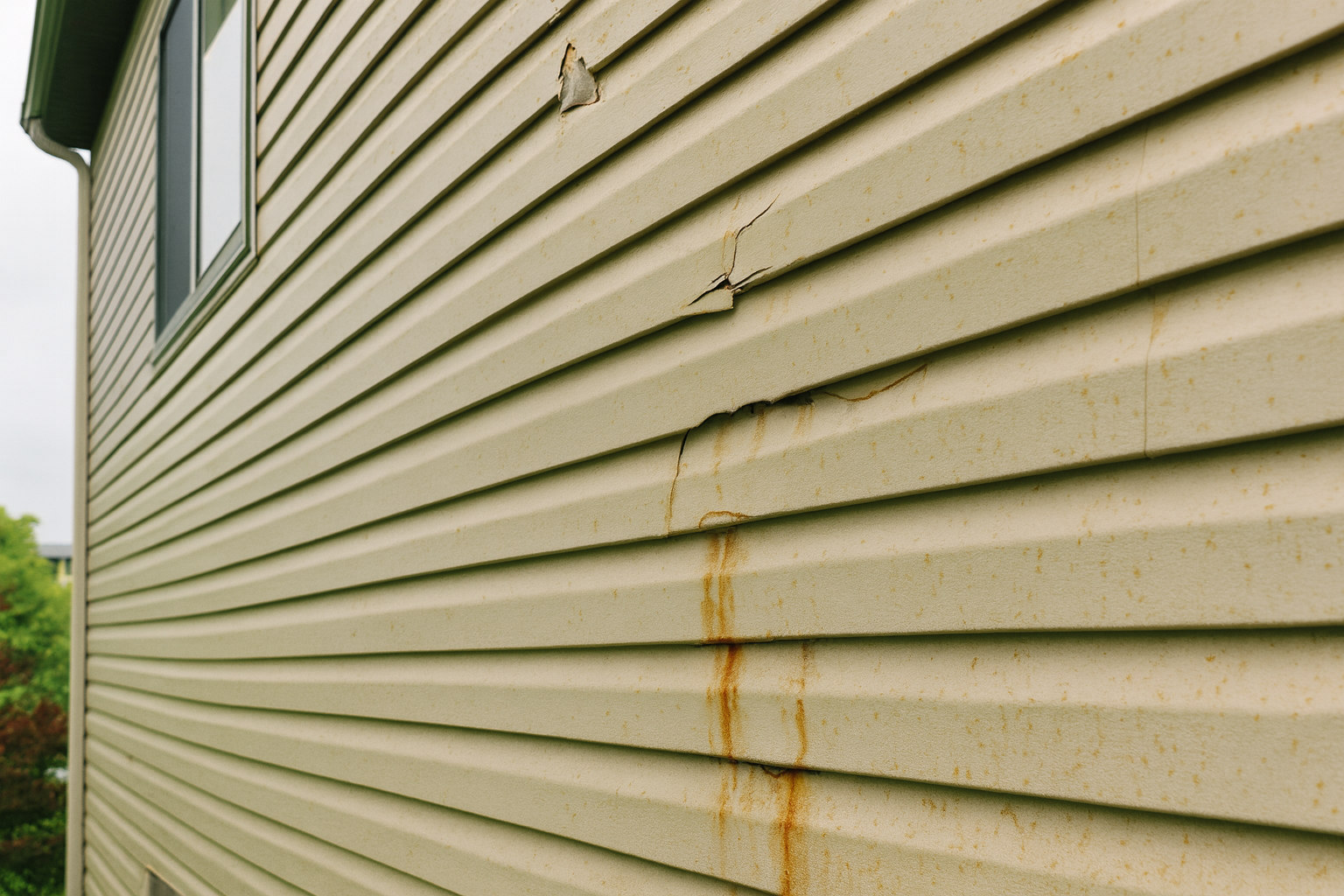
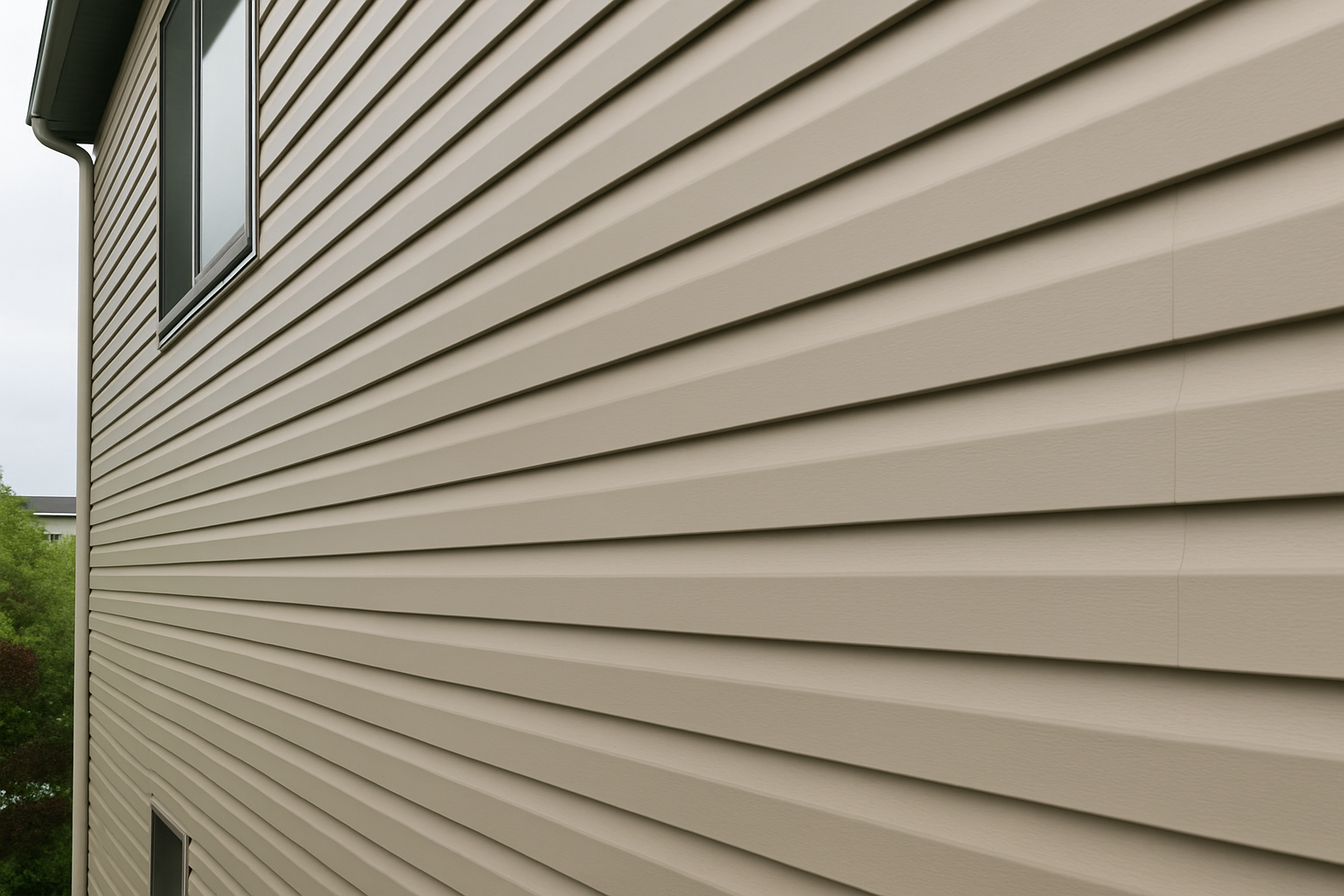
Protects Your Home from Rain & Moisture
Prevents Rot and Structural Damage
Instantly Boosts Curb Appeal
Helps Keep Your Home Cooler
Storm-Rated Materials Built for Florida
Adds Value to Your Mobile Home
Helps Pass Inspections &
Insurance Renewals
- Why Choose Florida Anchor and Barrier?
- Frequently Asked Questions about Mobile Home Siding
Florida Anchor & Barrier specializes in expert mobile home siding installation and repair, offering high-quality vinyl and hardboard siding solutions designed to protect your home from Florida’s harsh weather. We ensure that every installation is done right the first time, with durable materials that enhance your home’s appearance and energy efficiency. Homeowners trust us because we don’t cut corners, and we take the time to document every job. All our work is licensed, insured, and completed to Florida’s strict building standards, backed by decades of experience (License CGC 004138).
1. What is mobile home siding and why is it important?
Mobile home siding is the exterior covering applied to a mobile home to protect it from the elements, improve its appearance, and increase its insulation. It is an essential part of the home’s exterior because it safeguards the structure from water, wind, and UV damage. Siding also helps regulate indoor temperatures by providing an additional layer of insulation. A well-maintained siding system improves curb appeal, adds value to the home, and reduces the risk of costly repairs due to water damage or mold growth. Various materials, including vinyl, aluminum, and wood, are used for mobile home siding, each with its own benefits.
2. What types of siding are available for mobile homes?
The most common types of siding for mobile homes are vinyl, aluminum, wood, and composite materials. Vinyl siding is lightweight, low-maintenance, and available in a variety of colors, making it one of the most popular options. Aluminum siding is durable and resistant to corrosion but may dent easily. Wood siding offers a natural aesthetic but requires more maintenance to protect it from the elements. Composite materials, such as fiber cement, offer durability and are resistant to moisture and fire. The right siding depends on your budget, climate, and desired appearance for the home.
3. How much does it cost to install siding on a mobile home?
The cost of installing siding on a mobile home can vary based on the type of material used, the size of the home, and labor costs. On average, vinyl siding costs between $2,500 and $7,000 for a standard-sized mobile home. Aluminum siding typically ranges from $3,000 to $6,000, while wood siding can be more expensive, averaging between $5,000 and $8,000, depending on the wood type. Fiber cement or composite siding can be on the higher end, ranging from $6,000 to $10,000. Additional costs for labor, removal of old siding, and materials will also contribute to the overall price.
4. How long does mobile home siding last?
The lifespan of mobile home siding depends on the material used. Vinyl siding typically lasts 20-40 years with proper maintenance, as it is resistant to moisture and UV damage. Aluminum siding can last 30-40 years, though it may be prone to dents and fading over time. Wood siding, if properly treated and maintained, can last 20-30 years, but it is more susceptible to rot and insect damage. Composite materials like fiber cement can last 40-50 years, offering a long-term solution with minimal maintenance. Regular inspections and maintenance can help extend the lifespan of your siding.
5. What are the benefits of vinyl siding for mobile homes?
Vinyl siding is one of the most popular choices for mobile homes due to its affordability, durability, and low maintenance requirements. It is resistant to fading, cracking, and warping, making it ideal for areas with extreme weather conditions. Vinyl siding is also energy-efficient, as it helps insulate the home, reducing heating and cooling costs. Additionally, it comes in a variety of colors and styles, allowing homeowners to achieve their desired aesthetic. Vinyl siding is easy to clean with a hose, and unlike wood, it doesn’t require regular painting or staining.
6. Can I replace my mobile home siding myself?
Replacing the siding on your mobile home can be a DIY project if you have the necessary skills and tools. The process involves removing old siding, preparing the surface, and installing the new siding. For vinyl or aluminum siding, the installation is typically straightforward, as these materials come in panels that interlock. However, wood siding may require more precision in cutting and nailing the pieces. If you are not comfortable with handling large sections or dealing with potential structural issues, it’s best to hire a professional contractor. Proper installation is key to ensuring durability and efficiency.
7. How do I maintain my mobile home siding?
Maintaining mobile home siding involves regular cleaning, inspections, and occasional repairs. For vinyl and aluminum siding, use a hose or pressure washer to remove dirt and debris. Wood siding should be cleaned and treated with preservatives to protect against moisture and pests. Inspect the siding for cracks, holes, or signs of damage, and repair or replace any damaged sections. Check the caulking around windows and doors, as gaps can lead to moisture penetration. If you have wood or composite siding, repainting or resealing may be required every few years to maintain its appearance.
8. What are the best siding options for a mobile home in a coastal area?
For mobile homes in coastal areas, the best siding options are those that are resistant to saltwater, moisture, and wind. Vinyl siding is a good choice as it is resistant to rust and doesn’t absorb moisture. Aluminum siding can also be durable in coastal areas, but it may require a protective coating to prevent corrosion. Fiber cement siding is another excellent option, offering superior resistance to salt, moisture, and wind. Wood siding, while aesthetically pleasing, may not be the best choice for coastal areas, as it is more susceptible to rot and damage from saltwater exposure.
9. How can I improve the energy efficiency of my mobile home siding?
Improving the energy efficiency of your mobile home siding can be achieved by installing insulated siding or adding foam board insulation behind the siding. Insulated vinyl or composite siding is a great option, as it provides an additional layer of insulation, reducing heat transfer and lowering heating and cooling costs. Another option is to add house wrap or vapor barriers before installing the siding to improve air sealing. Ensure that your siding is properly sealed around windows, doors, and corners to prevent drafts. Proper insulation and air sealing can make your mobile home more energy-efficient and comfortable.
10. What is the best siding for mobile homes in hot climates?
In hot climates, the best siding materials for mobile homes are those that reflect heat and provide good insulation. Vinyl siding with a reflective coating or insulated vinyl siding is a popular choice, as it helps keep the home cooler by reflecting sunlight. Fiber cement siding also offers excellent heat resistance and durability in hot conditions. Aluminum siding, though durable, can heat up in direct sunlight and may not provide as much insulation as vinyl or fiber cement. Installing proper insulation behind the siding can further improve energy efficiency and comfort in hot climates.
11. How do I know when it’s time to replace the siding on my mobile home?
It’s time to replace your mobile home siding if you notice signs of extensive damage, such as cracks, warping, fading, or water infiltration. If your siding is frequently peeling, fading, or has holes that allow moisture to enter, it may be time for a replacement. Wood siding that is rotting or infested with insects will need to be replaced, as will aluminum or vinyl siding that has significant dents, cracks, or fading. Also, if you find that your home is becoming drafty or less energy-efficient, replacing the siding with insulated or higher-quality materials may help.
12. What are the most durable siding materials for mobile homes?
The most durable siding materials for mobile homes are fiber cement, aluminum, and insulated vinyl. Fiber cement siding is extremely durable, offering resistance to moisture, fire, and insects, and can last up to 50 years. Aluminum siding is also long-lasting and resistant to weathering but may be prone to dents. Insulated vinyl siding provides both durability and energy efficiency, as it is resistant to cracking, fading, and moisture. These materials offer long-term protection for your mobile home and require less frequent maintenance compared to other materials like wood.
13. Can I paint my mobile home siding?
Yes, you can paint your mobile home siding, but the process depends on the material of the siding. Vinyl and aluminum siding can be painted, though vinyl siding requires special paint that adheres well to plastic surfaces. Aluminum siding can be painted with a good-quality exterior paint that is designed to bond with metal surfaces. Wood siding can be painted or stained, and it’s recommended to use a high-quality exterior paint or wood stain to protect it from the elements. Repainting or resealing your siding every few years can help maintain its appearance and extend its lifespan.
14. What is the cost difference between vinyl and wood siding for mobile homes?
Vinyl siding is typically much more affordable than wood siding, making it a popular choice for mobile homes. On average, vinyl siding costs between $2 to $5 per square foot, including installation, whereas wood siding can cost between $4 to $8 per square foot. Wood siding is more expensive due to the material cost and the additional maintenance required, as it needs to be treated, sealed, and repainted periodically. However, wood offers a natural aesthetic and can be customized with stains or finishes, which some homeowners prefer for its look and feel.
15. How do I clean vinyl siding on a mobile home?
To clean vinyl siding on your mobile home, start by rinsing the surface with a hose to remove loose dirt and debris. For stubborn stains, mix a solution of mild dish soap and water, and use a soft brush or cloth to scrub the siding. Avoid abrasive cleaners or harsh chemicals, as they can damage the siding. For mold or mildew, use a solution of 1 part bleach to 3 parts water, applying it to the affected area and letting it sit for a few minutes before rinsing off. Pressure washing can also be an effective method for cleaning vinyl siding, but use a low-pressure setting to avoid damaging the material.
16. Can I replace just a section of siding on my mobile home?
Yes, you can replace just a section of siding on your mobile home if the damage is localized. For vinyl or aluminum siding, you can remove the damaged panel and replace it with a new one, ensuring that the new siding matches the existing color and style. If the siding is severely damaged or the color has faded, replacing the entire exterior may be more cost-effective in the long run. For wood siding, replacing individual boards may be more challenging, especially if the siding has been painted or treated with a specific finish. It’s important to ensure that the new section is properly sealed and integrated with the existing siding.
17. What are the pros and cons of wood siding for mobile homes?
Wood siding offers a natural, classic aesthetic that is difficult to replicate with other materials. It provides excellent insulation and can be customized with stains or paints. However, wood siding requires more maintenance than vinyl or aluminum siding, as it needs to be sealed or repainted periodically to prevent moisture damage, rot, or insect infestation. Wood is also more susceptible to weathering and can be prone to cracking or warping over time. If you’re looking for a natural, customizable look and don’t mind the upkeep, wood siding can be a great choice for mobile homes.
18. What is fiber cement siding and why is it a good choice for mobile homes?
Fiber cement siding is a durable, low-maintenance material made from a mixture of cement, sand, and cellulose fibers. It offers excellent resistance to moisture, fire, and insects, making it an ideal choice for mobile homes in areas with harsh weather conditions. Fiber cement siding can mimic the appearance of wood or stucco and is available in a variety of styles and colors. It requires less maintenance than wood siding and can last 40-50 years, offering long-term durability and value. While it may be more expensive upfront, its longevity and low-maintenance benefits make it a worthwhile investment.
19. Can I install mobile home siding over existing siding?
Yes, in many cases, you can install new siding over existing siding, but it depends on the material and condition of the old siding. For example, you can install vinyl siding over wood or aluminum siding if the existing siding is in good condition and properly secured. However, the old siding must be free of rot, damage, and mold, as these issues can affect the performance of the new siding. In some cases, you may need to remove the old siding to ensure the new material is properly attached and sealed. It’s best to consult with a professional contractor to determine the best approach for your specific situation.
20. What is the best siding for a mobile home in a cold climate?
In cold climates, the best siding materials for mobile homes are those that provide superior insulation and can withstand freezing temperatures. Fiber cement siding is a great choice as it is durable, resistant to moisture, and offers good insulation properties. Vinyl siding with an insulated backing can also be an excellent option, as it helps keep heat inside during the winter months. Aluminum siding is another durable option, but it may require added insulation to enhance energy efficiency. Properly sealed and insulated siding will help maintain comfort and reduce energy bills in cold climates.
State Certified General Contractors CGC 004138 • Trusted by Florida Homeowners
Serving Florida’s mobile and manufactured homes, including Clearwater, Largo, Pinellas Park, Tampa, Sarasota, and surrounding areas. Our expert technicians provide siding installation and repairs for mobile homes in parks, co-ops, and private lots. Whether upgrading your siding or fixing existing issues, we offer reliable solutions to protect and beautify your home.
Mobile Home Siding FAQ'S
Yes—missing or damaged siding can allow rainwater to enter the wall cavities, soak insulation, and raise humidity inside the home. Over time, this moisture can travel downward and affect the underbelly, vapor barrier, and subfloor. Many soft floor problems and mold issues actually start from exterior siding failure. Once water gets behind the panels, the wood begins to swell and rot. Fixing siding quickly prevents long-term structural issues and expensive moisture repairs.
Most mobile home siding lasts 20–30 years, but Florida’s high humidity, strong UV rays, and frequent storms can shorten that lifespan. Vinyl siding can fade or warp, aluminum panels can dent or oxidize, and storm debris can loosen or crack sections. Regular washing, caulking, and inspections help extend its life. If the siding begins to ripple, separate at the seams, or show water stains, it may be time for repairs or a complete replacement to prevent hidden moisture damage.
During a siding repair or replacement, technicians remove damaged panels, inspect the wall sheathing, check for moisture or rot, and repair any weakened areas before installing new siding. They add proper flashing, backing, and moisture barriers to protect the walls from future damage. The new siding is installed with correct spacing to allow for heat expansion and wind resistance. A full replacement improves energy efficiency, prevents water intrusion, and dramatically updates the appearance of the home.
Mobile home siding often warps or buckles when moisture gets behind the panels, the vapor barrier fails, or the siding was installed without proper expansion spacing. Florida’s heat causes panels to expand, and if they’re nailed too tightly, they bend or ripple. Storm winds can also loosen fasteners, allowing rain to enter and swell the underlying boards. Once siding pulls away, water intrusion accelerates, leading to mold, soft walls, and long-term structural deterioration.
You may need siding repair or replacement when you notice cracks, holes, soft spots, bubbling paint, or panels that no longer sit flush. Discoloration, mold, or musty odors inside the home can also indicate moisture entering behind the siding. If exterior walls feel spongy or insulation seems damp, the siding has already failed. Regular inspections help catch early signs of water intrusion before it spreads into the subfloor, wall studs, or vapor barrier.
The best siding for Florida mobile homes is high-quality vinyl or insulated vinyl because it resists moisture, doesn’t rust, and tolerates heat expansion. Many homeowners also choose aluminum or fiber-cement options for added storm durability. Modern vinyl siding is lightweight, affordable, and easy to repair after storms. When installed correctly with moisture barriers, vents, and proper flashing, it protects against Florida’s humidity, wind-driven rain, and UV exposure better than older metal siding panels.
Contact Florida Anchor and Barrier today to ensure your mobile home is protected with a quality vapor barrier.
Florida Anchor And Barrier
800.681.3772
Service Zone: Altamonte Springs, Apollo Beach, Arcadia, Belleview, Bradenton, Brooksville, Cape Coral, Clearwater, Clermont, Coral Springs, Crystal River, Dade City, Daytona Beach, Deland, Deltona, Dunedin, Englewood, Ellenton, Eustis, Fort Lauderdale, Fort Myers, Fruitville, Hialeah, Hollywood, Homosassa, Inverness, Kissimmee, Lakeland, Largo, Leesburg, Lakewood Ranch, Longboat Key, North Port, New Port Richey, Ocala, Oldsmar, Orlando, Palm Harbor, Palmetto, Parrish, Pinellas Park, Plant City, Port Charlotte, Port St. Lucie, Punta Gorda, Riverview, Ruskin, Safety Harbor, Sanford, Sarasota, Sebastian, Seminole, St. Augustine, St. Cloud, St. Petersburg, Tavares, Tampa, Tarpon Springs, Venice, Winter Haven, Winter Park, Zephyrhills
HEAD OFFICE: 11590 US Hwy 19 N Clearwater, FL 33764