Serving Homeowners in Leesburg, Florida
Mobile Home Vapor Barrier Replacement and Repair in Leesburg, Florida
Leesburg mobile homes often develop moisture problems because of the area’s humid climate, shaded lots, and soil that holds moisture beneath the home. When a vapor barrier becomes torn or worn out, moisture rises into the subfloor, causing mold, sagging insulation, and soft, spongy floors. Florida Anchor and Barrier specializes in vapor barrier repair and replacement, insulation restoration, moisture-control solutions, tie-down and hurricane anchor upgrades, skirting repair, carport work, and full mobile home flooring restoration. As State Certified General Contractors (CGC 004138), homeowners throughout Leesburg trust us to protect their homes with durable, long-lasting moisture protection.
What our Customers Say About Us
We Provide Complete Mobile Home Repair Services in Leesburg, FL
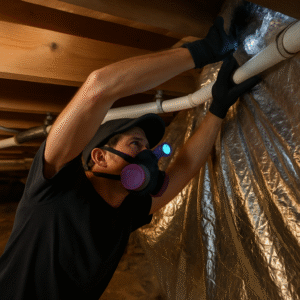
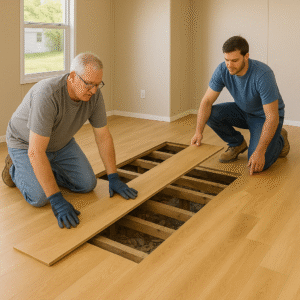
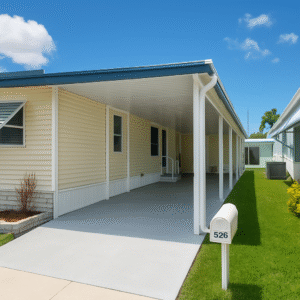
Our Proven 4 Step Mobile Home vapor barrier Repair Process
Step 1 — Free Under-Home Inspection
We check your vapor barrier, insulation, and moisture levels and explain exactly what’s going on under your home.
Step 2 — Clear Diagnosis & Upfront Quote
You’ll know the problem, the solution, and the price — with no surprises.
Step 3 — Professional Installation
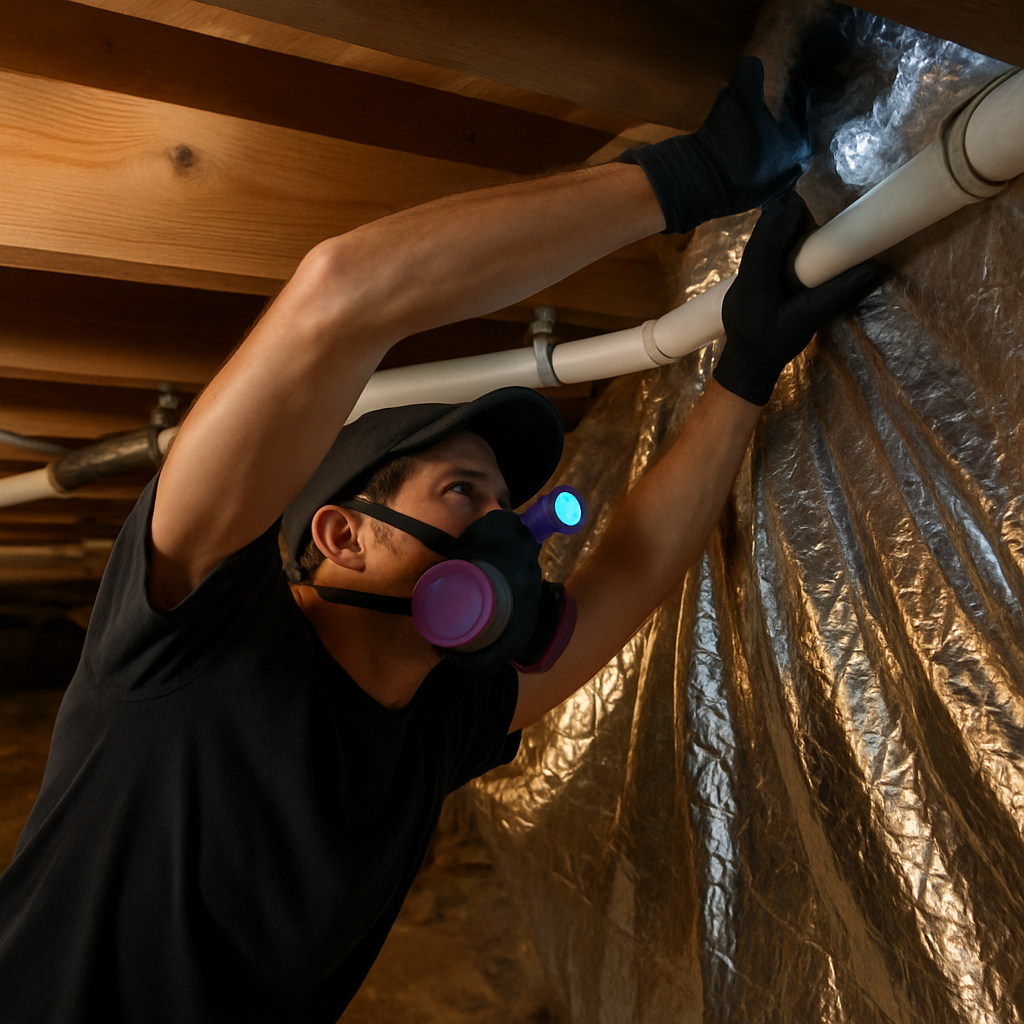
We remove damaged material, seal the underbelly, and install a new vapor barrier built for Florida moisture.
Step 4 — Warranty & Support
Your installation includes a workmanship warranty and ongoing support from a Florida-based team.
Need more than a vapor barrier? We can help.
We repair every part of your mobile home — not just the vapor barrier.
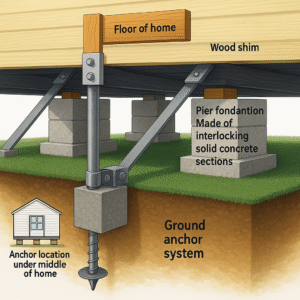
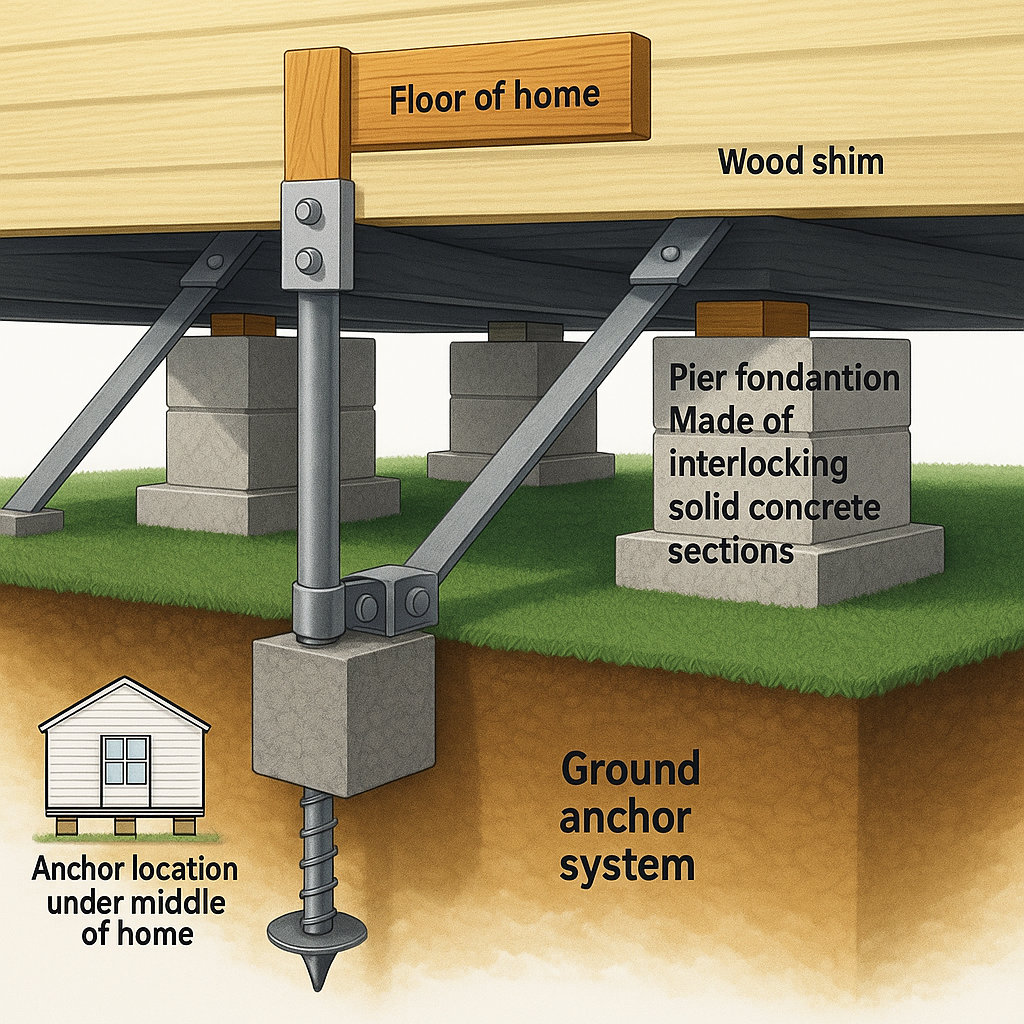
- Hurricane Anchors / Tie Downs
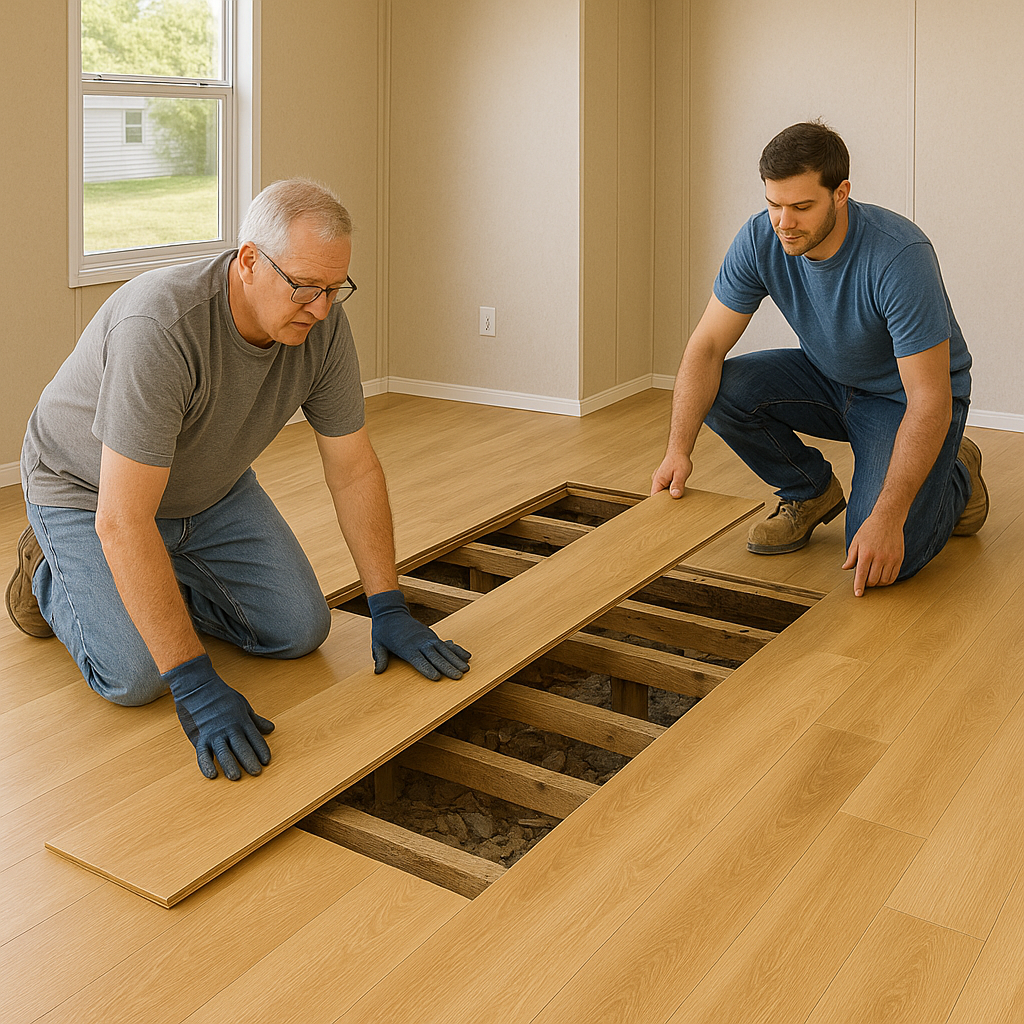
- Mobile Home Flooring Installation
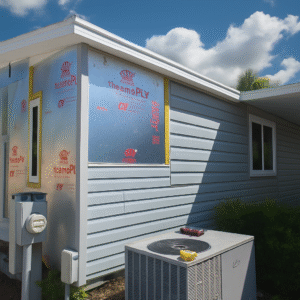
- Mobile Home Siding Installation
- Mobile Home Releveling Experts
Mobile homes need proper hurricane anchors and tie downs to stay secure during high winds and storms in Florida. A weak or outdated tie-down system can allow shifting, movement, or structural stress that leads to costly damage. Professional installation helps stabilize the home, protect the foundation, and reduce storm risk. Many homeowners search for mobile home hurricane tie-down installation when they start noticing movement or settling — and that’s exactly what we provide.
Moisture and underbelly damage often cause soft, sagging, or uneven floors in mobile homes. Installing new flooring helps restore stability, safety, and long-term support inside the home. We remove rotted or damaged materials and replace them with durable options designed for humid Florida conditions. Many people looking for mobile home flooring replacement are dealing with hidden moisture problems — and new floors are often part of the solution.
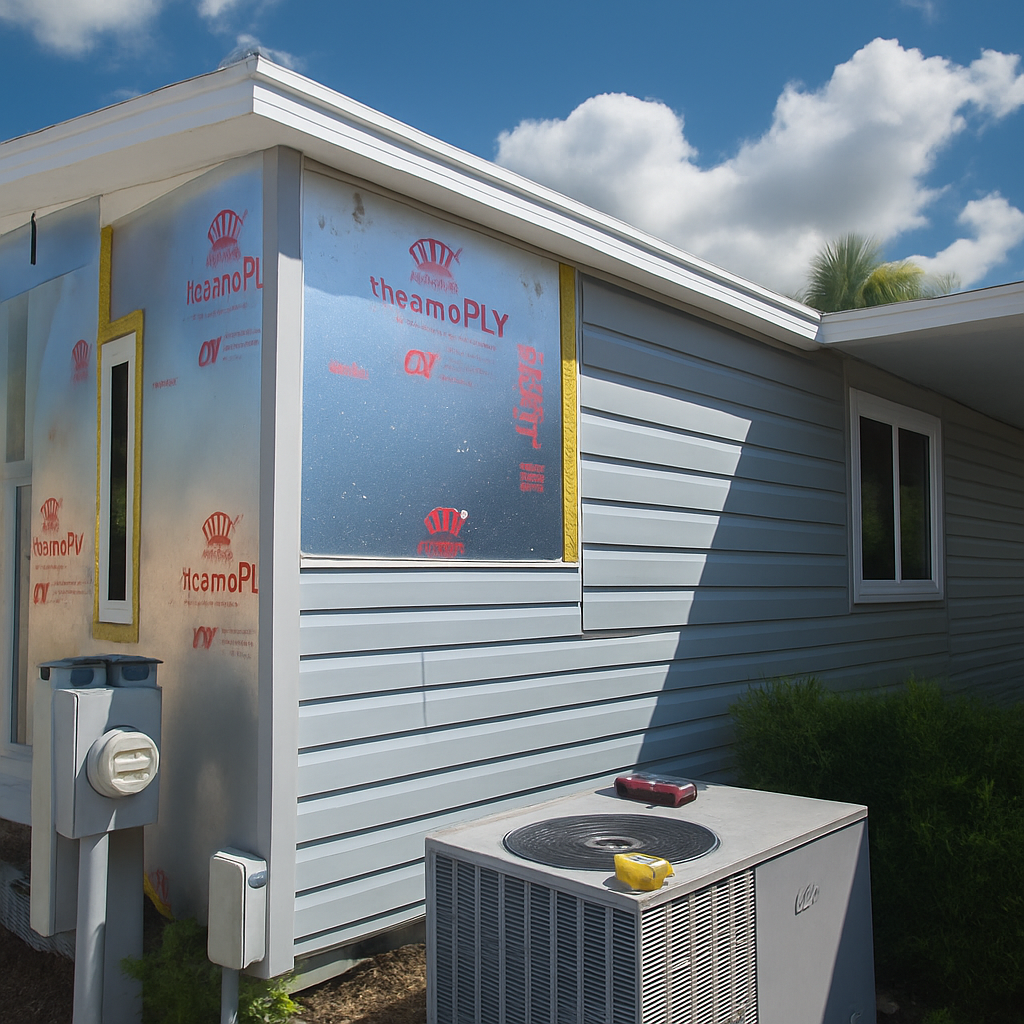
Damaged or aging siding can let water, humidity, and pests into a mobile home, leading to insulation damage and higher energy bills. Installing new siding helps protect the exterior and improve curb appeal while sealing out moisture. We remove loose, warped, or cracked siding and replace it with materials built for Florida heat and storms. Homeowners often search for mobile home siding installation and repair when they notice leaks or exterior damage starting to spread.
Over time, mobile homes can settle or shift, causing gaps, crooked doors, slanted floors, and cracks along the walls. Releveling restores the home to a safe, even position by correcting support issues under the structure. This helps prevent long-term stress and damage to the frame, flooring, and windows. Many homeowners turn to mobile home releveling services when they notice floors dipping or doors no longer closing properly.
- Mobile Home Vapor Barriers
- Mobile Home Sagging Floors Repairs
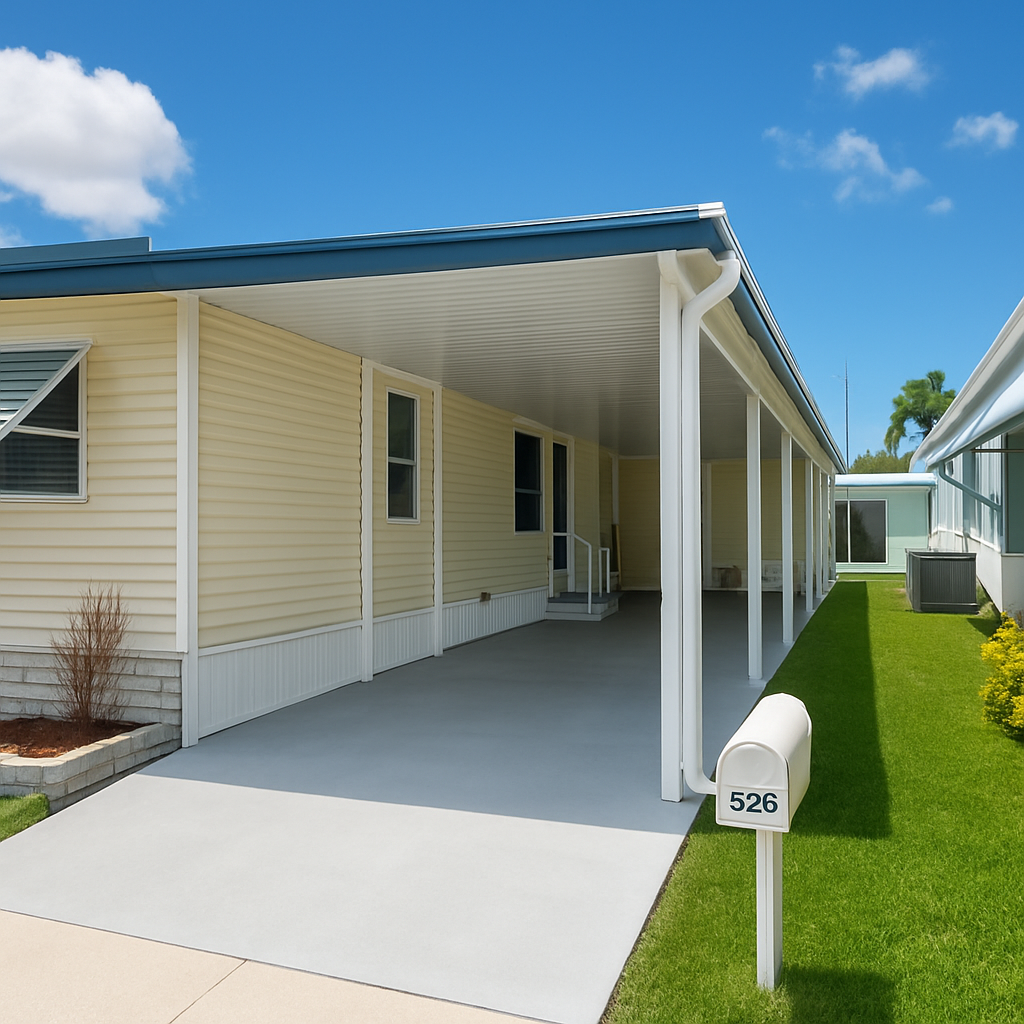
- Mobile Home Carport Contractors
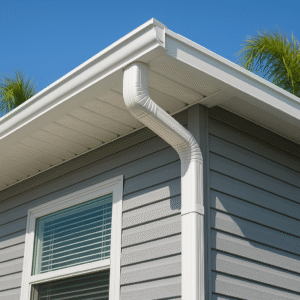
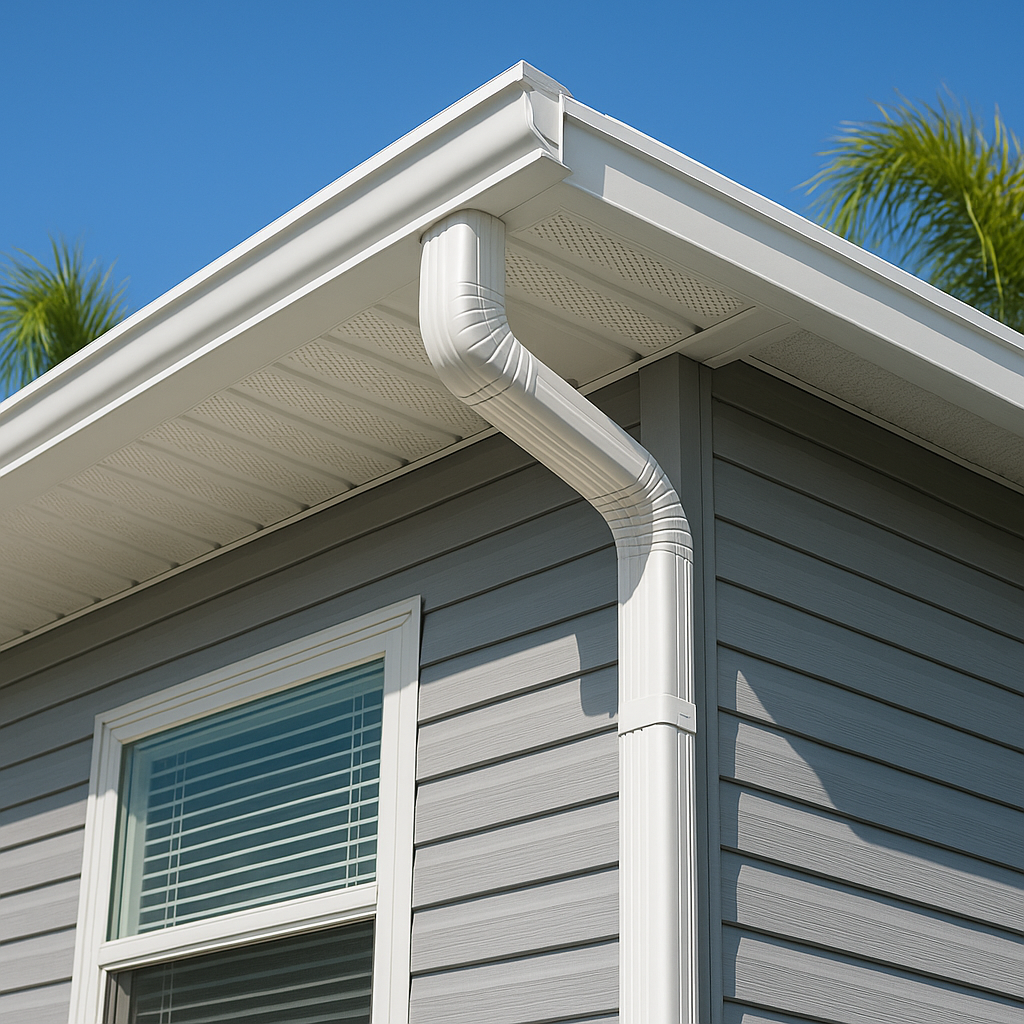
- Mobile Home Gutter Installation
A torn or missing vapor barrier allows ground moisture to rise into the mobile home, leading to mold, soft floors, and insulation failure. Installing a new vapor barrier seals the underbelly and helps protect the structure from humidity and rot. This is one of the most important steps in preventing long-term damage in Florida’s climate. Homeowners researching mobile home vapor barrier replacement are often dealing with moisture, mildew smells, or sagging floors — all signs the barrier has failed.
Soft or sagging floors are a common sign of moisture damage under the home. We repair weakened joists and subflooring, remove damaged wood, and restore safe, solid support. Fixing sagging floors early helps prevent further structural issues and expensive repairs. Many people looking for mobile home sagging floor repair are also facing vapor barrier or underbelly problems — and we can address both.
Carports help protect vehicles, entryways, and outdoor areas from sun, rain, and storm debris. We install and repair mobile home carports built for Florida weather and long-term durability. A new carport can improve convenience, safety, and property value. Homeowners searching for mobile home carport installation or replacement often want better protection during hurricane season or heavy storms.
Without proper gutters, rainwater can pool around the home, causing erosion, moisture buildup, and underbelly damage. We install seamless gutter systems that direct water away from the structure to protect the foundation and vapor barrier. This helps reduce long-term maintenance issues and moisture-related repairs. Many homeowners look for mobile home gutter installation when they notice pooling water or moisture collecting under the home.
State Certified General Contractors CGC 004138 • Trusted by Local Homeowners
Why homes in Leesburg Florida get Moisture Damage
Leesburg is surrounded by lakes and wetlands—including Lake Harris, Lake Griffin, and Lake Denham—which creates higher humidity levels and soil that remains damp for long periods. In local communities such as Lake Harris Landing and Mid Florida Lakes, homeowners frequently experience torn vapor barriers, mold, and wet insulation due to the constant moisture rising from the ground. The combination of sandy soil mixed with clay allows water to linger under mobile homes, especially after heavy summer storms. Our team understands the moisture patterns unique to Leesburg and provides targeted repairs that stop water intrusion and preserve your home’s structural integrity.
1. How does Leesburg’s chain-of-lakes environment increase the need for a mobile home vapor barrier?
Leesburg’s location among several major lakes creates elevated ground moisture that lingers under mobile homes. This moisture rises into insulation and subflooring if a vapor barrier is missing or damaged. Homes near lakes often experience higher humidity, which speeds up wood rot and mold growth. A vapor barrier blocks moisture and helps stabilize indoor humidity levels. It also prevents pests that thrive in damp crawlspaces. Our barrier systems are designed to withstand Leesburg’s lake-influenced moisture patterns.
2. What flooring issues do Leesburg residents often notice when subfloors absorb moisture from nearby lakes?
Homes in lake regions like Leesburg often develop soft spots or “bouncy” areas in the floor when moisture infiltrates the subfloor. You may also see vinyl peeling, laminate swelling, or carpet wrinkling. These issues typically appear first in rooms closest to exterior walls. If untreated, moisture spreads and weakens the entire flooring system. Early repair prevents mold growth from taking hold beneath the surface. Our floor repair team specializes in addressing moisture-related damage common in Leesburg’s lakeside communities.
3. Why is adding a carport helpful for Leesburg homeowners who deal with intense heat and frequent afternoon storms?
Leesburg experiences very hot summers along with sudden storm bursts, making covered parking extremely valuable. A carport shields vehicles from UV radiation that damages paint and interior surfaces. It also provides fast protection during pop-up showers that strike without warning. Many Leesburg residents use carports to store fishing gear, golf carts, and tools that would otherwise rust. A carport expands usable space for outdoor activities during unpredictable weather. Our carports are engineered for the heat and storm cycles typical of Lake County.
4. How do gutters protect Leesburg mobile homes from erosion caused by sloped or lakeside lots?
Many Leesburg neighborhoods sit on gently sloping land that drains toward lakes, increasing runoff near mobile homes. Gutters redirect this water away from the foundation, preventing erosion around support piers. Without gutters, water flows directly under the home and raises crawlspace humidity. This moisture promotes mold growth and weakens insulation. Proper drainage keeps soil stable and prevents shifting that leads to unlevel floors. Our gutter systems handle heavy Florida rainfall while preserving the ground beneath your home.
5. Why do Leesburg mobile homes still need hurricane anchors despite being inland?
Leesburg may be inland, but strong wind bands often cross Lake County during hurricanes and tropical storms. These winds can cause mobile homes to lift, twist, or shift if they lack proper anchoring. Hurricane anchors secure the structure to the ground and prevent movement during extreme weather. Tie-downs also help maintain the home’s alignment and protect water and electrical connections. Many parks in Leesburg require updated anchors for safety compliance. We install tie-down systems that meet Florida’s inland wind standards.
6. What signs indicate that shifting soil in Leesburg has caused a mobile home to become unlevel?
Soil around Leesburg expands when wet and contracts during dry periods, causing gradual settling. Signs include a slanted feeling when walking, sticking windows, and interior doors that no longer close properly. You may also see cracks forming near the ceiling or cabinets pulling slightly away from walls. These symptoms worsen over time if the home is not releveled. Releveling restores proper weight distribution and reduces stress on the entire structure. Our team corrects settling issues common across Lake County.
7. How does Leesburg’s humidity accelerate the deterioration of mobile home siding?
High humidity near lakes causes siding materials to retain moisture longer, especially after storms. Older siding may swell, discolor, or warp when repeatedly exposed to damp air. Moisture can seep behind loose panels and trigger hidden mold growth. Newer siding materials provide far better moisture resistance. Upgrading siding protects walls, improves insulation, and enhances appearance. Our siding installations are ideal for Leesburg’s moisture-heavy climate.
8. How does a vapor barrier help reduce crawlspace odors in Leesburg mobile homes?
Damp soil beneath the home often creates musty smells that rise into the living space. Lake-rich environments like Leesburg intensify this because the ground stays moist longer. A vapor barrier prevents ground moisture from entering the crawlspace, eliminating the main source of odor. Keeping the area dry also discourages mold growth, which is a major contributor to lingering smells. Many homeowners notice a dramatic improvement in indoor freshness after installation. Our vapor barriers keep crawlspaces dry even during Leesburg’s wettest seasons.
9. What flooring problems can develop when Leesburg homes experience repeated heat and humidity cycles?
Subfloors expand and contract during constant shifts between hot days and humid evenings. This movement weakens adhesives and can cause cracking or bowing beneath surface flooring. Carpeting may feel uneven or bunched where the subfloor has softened. Vinyl may bubble, and laminate planks can separate at the seams. Addressing moisture early prevents widespread structural damage. We specialize in identifying and repairing floor issues driven by Leesburg’s temperature swings.
10. Why do Leesburg homeowners often install carports to protect boats, kayaks, and outdoor equipment?
With easy access to lakes, many Leesburg residents own recreational equipment that deteriorates quickly in Florida sun. A carport shields these items from intense UV exposure that fades materials and weakens plastics. It also protects metal parts from rusting in humidity. During pop-up storms, a carport keeps equipment dry and ready for use. This simple upgrade extends the life of expensive outdoor gear. Our carports are built to handle both moisture and high-temperature exposure.
11. How can gutters help prevent standing water under mobile homes in Leesburg’s older parks?
Older parks often lack advanced drainage systems, leaving water to collect beneath homes during storms. Gutters move rainfall away before it accumulates under the structure. A drier crawlspace means less risk of mold, pests, and wood rot. Proper drainage also helps preserve pier stability. Without gutters, Leesburg’s frequent summer storms can repeatedly saturate soil and damage the home’s underside. Our gutter installations solve these persistent drainage issues.
12. How do hurricane tie-downs improve storm safety in Leesburg mobile home communities?
Tie-downs anchor the mobile home’s steel frame to the ground, preventing sideways or upward movement during storms. Leesburg may not see direct coastal winds, but the county still experiences strong gusts during hurricane season. Proper tie-downs reduce the risk of foundation shifting, roof separation, and structural strain. They also help maintain the safety standards many communities require. Regular inspection ensures anchors stay tight over the years. Our systems keep mobile homes secure through Central Florida wind events.
13. Why do some mobile homes in Leesburg settle unevenly even without major storms?
Subtle soil movement happens naturally in Leesburg because moisture levels fluctuate with lake evaporation and rainfall cycles. Over time, this causes small pockets of soil under piers to compress or expand. Even normal household activity can worsen the imbalance once settling begins. Signs include leaning appliances, uneven floors, or hairline cracks in walls. Releveling corrects the tilt and prevents long-term structural damage. Our releveling process addresses the soil types specific to Leesburg neighborhoods.
14. What causes mobile home siding in Leesburg to stain or develop algae growth?
Humidity and lake breezes often carry organic particles that cling to siding surfaces. When moisture sits on siding too long, algae and mildew begin forming. This is especially common on shaded sides of the home where sunlight cannot dry surfaces quickly. Stains worsen during rainy months when moisture remains longer. Upgrading to moisture-resistant siding helps reduce algae growth. Our siding materials are chosen for durability in humid, lake-rich environments like Leesburg.
15. How does a vapor barrier help improve indoor air quality in Leesburg mobile homes?
Moisture under the home raises indoor humidity and creates an ideal environment for allergens and mold. A vapor barrier stops this moisture from entering the living areas. Reducing humidity helps air conditioners work more efficiently and reduces airborne irritants. Homes may feel cooler and more comfortable after installation. Cleaner air also helps prevent odors from forming inside the home. Our vapor barrier systems improve overall indoor comfort in Leesburg’s humid climate.
16. What flooring issues may appear when Leesburg residents experience long stretches of hot weather?
Prolonged heat can dry out older subfloor materials, making them brittle. When humidity returns, these weakened areas absorb moisture unevenly and begin to warp. Floors may start to creak or feel unstable in certain spots. Laminate and vinyl surfaces are especially sensitive to expansion caused by heat. Early inspection prevents minor warping from becoming major damage. Our team repairs heat-related flooring issues and reinforces vulnerable areas.
17. Why do many Leesburg homeowners install carports to protect mobility scooters and golf carts?
Many retirees and resort-style communities in Leesburg rely on electric scooters and golf carts daily. These vehicles deteriorate quickly when exposed to harsh UV rays and afternoon storms. A carport keeps batteries cooler, protects upholstery, and reduces rust on metal components. It also offers a shaded area for loading and unloading items. Carports add both convenience and long-term protection for essential equipment. Our structures fit the needs of active Leesburg neighborhoods.
18. How do gutters help prevent mold growth along the skirting of Leesburg mobile homes?
Without gutters, rainwater cascades off the roof and splashes directly against the skirting. This keeps the lower area of the home wet for long periods, especially in humid seasons. Persistent moisture encourages mold and algae to form on both the skirting and underlying structure. Gutters divert water away so surfaces stay dry. This reduces cleaning needs and extends the life of the skirting. Our gutter installations help protect mobile homes from moisture damage common in Leesburg.
19. What are signs that hurricane anchors in a Leesburg mobile home need inspection?
If the skirting shifts or gaps appear near the ground, the home may have moved slightly. Rusted anchors, loose straps, or visible upward tilt during storms also signal issues. Leesburg’s moisture-heavy soil can loosen anchors gradually. Inspecting them annually helps maintain safety during Florida’s storm season. Properly tensioned anchors keep the home stable and secure. Our inspections ensure the anchoring system meets the latest safety standards.
20. How does releveling extend the life of a mobile home in Leesburg’s moisture-affected areas?
A level mobile home distributes weight evenly across its piers, reducing structural strain. Moisture in Leesburg’s soil can cause piers to settle differently and throw the home out of balance. Releveling corrects this tilt before it causes cracks, leaks, or framing damage. It also improves door and window function, reducing air leaks and indoor humidity. Homes that are routinely releveled stay safer and stronger over time. Our releveling process ensures long-term stability in Lake County soil conditions.
Contact Florida Anchor and Barrier today to ensure your mobile home is protected with a quality vapor barrier.
Florida Anchor And Barrier
Call to find out if we service your city!
800.681.3772
Service Zone: Altamonte Springs, Apollo Beach, Arcadia, Belleview, Bradenton, Brooksville, Cape Coral, Clearwater, Clermont, Coral Springs, Crystal River, Dade City, Daytona Beach, Deland, Deltona, Dunedin, Englewood, Ellenton, Eustis, Fort Lauderdale, Fort Myers, Fruitville, Hialeah, Hollywood, Homosassa, Inverness, Kissimmee, Lakeland, Largo, Leesburg, Lakewood Ranch, Longboat Key, North Port, New Port Richey, Ocala, Oldsmar, Orlando, Palm Harbor, Palmetto, Parrish, Pinellas Park, Plant City, Port Charlotte, Port St. Lucie, Punta Gorda, Riverview, Ruskin, Safety Harbor, Sanford, Sarasota, Sebastian, Seminole, St. Augustine, St. Cloud, St. Petersburg, Tavares, Tampa, Tarpon Springs, Venice, Winter Haven, Winter Park, Zephyrhills
HEAD OFFICE: 11590 US Hwy 19 N Clearwater, FL 33764