Mobile Home Vapor Barrier Repair in Palm Harbor, FL
Serving Homeowners in Palm Harbor, Florida
Mobile Home Vapor Barrier Replacement and Repair in New Palm Harbor, Florida
Palm Harbor mobile homes frequently develop moisture problems because of the area’s coastal air, high humidity, and soil that allows dampness to rise beneath the home. When a vapor barrier begins to fail, moisture spreads quickly, creating mold odors, sagging insulation, and weak flooring. Florida Anchor and Barrier provides full vapor barrier replacement, moisture-control repairs, insulation restoration, floor reinforcement, tie-down upgrades, hurricane anchors, skirting repair, and carport services. As State Certified General Contractors (CGC 004138), we help Palm Harbor homeowners protect their mobile homes with dependable, long-term repair solutions designed for Florida’s climate.
What our Customers Say About Us
We Provide Complete Mobile Home Repair Services in Palm Harbor, FL
Our Proven 4 Step Mobile Home vapor barrier Repair Process
Step 1 — Free Under-Home Inspection
We check your vapor barrier, insulation, and moisture levels and explain exactly what’s going on under your home.
Step 2 — Clear Diagnosis & Upfront Quote
You’ll know the problem, the solution, and the price — with no surprises.
Step 3 — Professional Installation
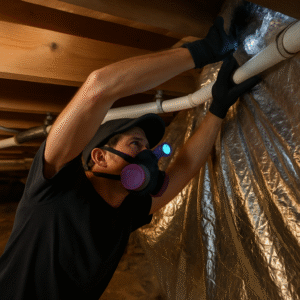
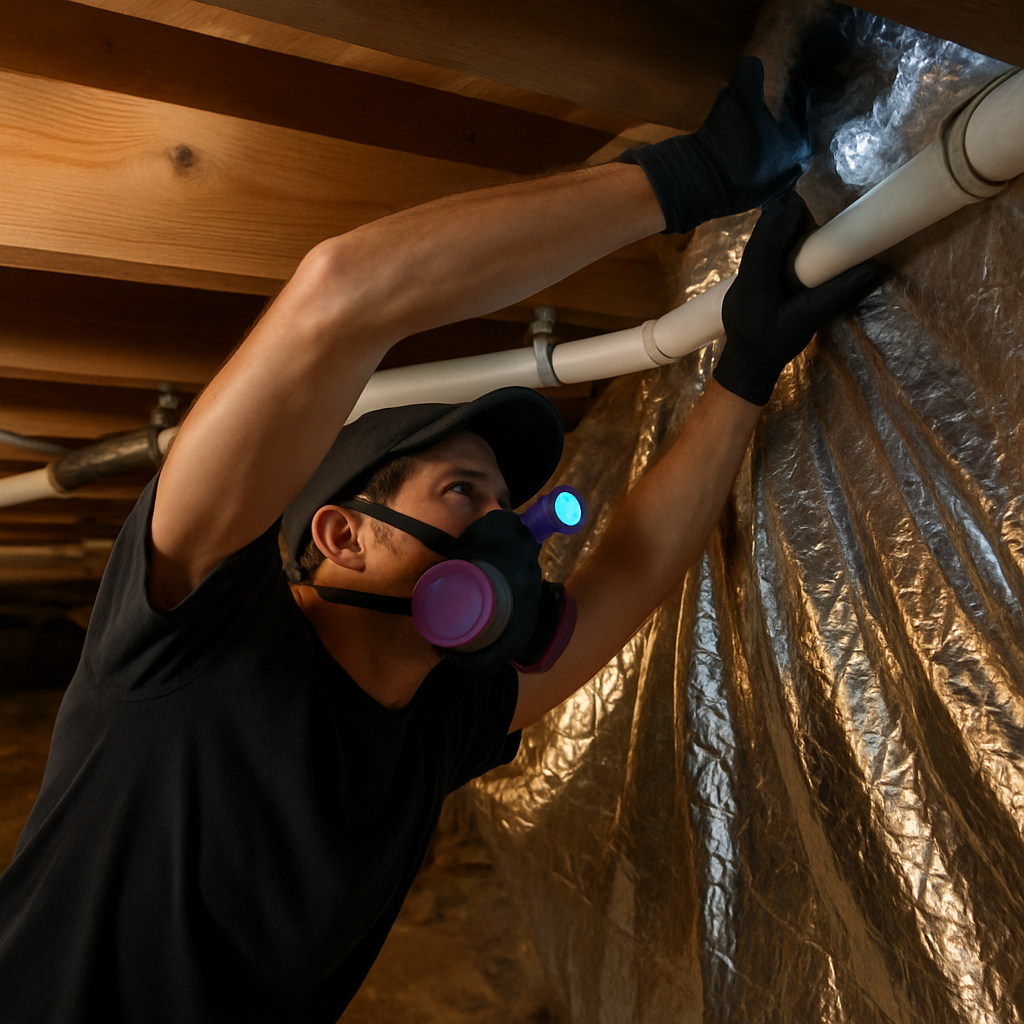
We remove damaged material, seal the underbelly, and install a new vapor barrier built for Florida moisture.
Step 4 — Warranty & Support
Your installation includes a workmanship warranty and ongoing support from a Florida-based team.
Need more than a vapor barrier? We can help.
We repair every part of your mobile home — not just the vapor barrier.
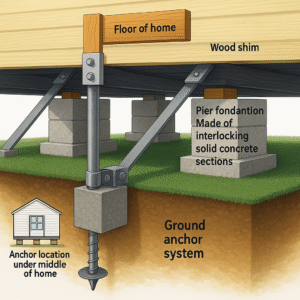
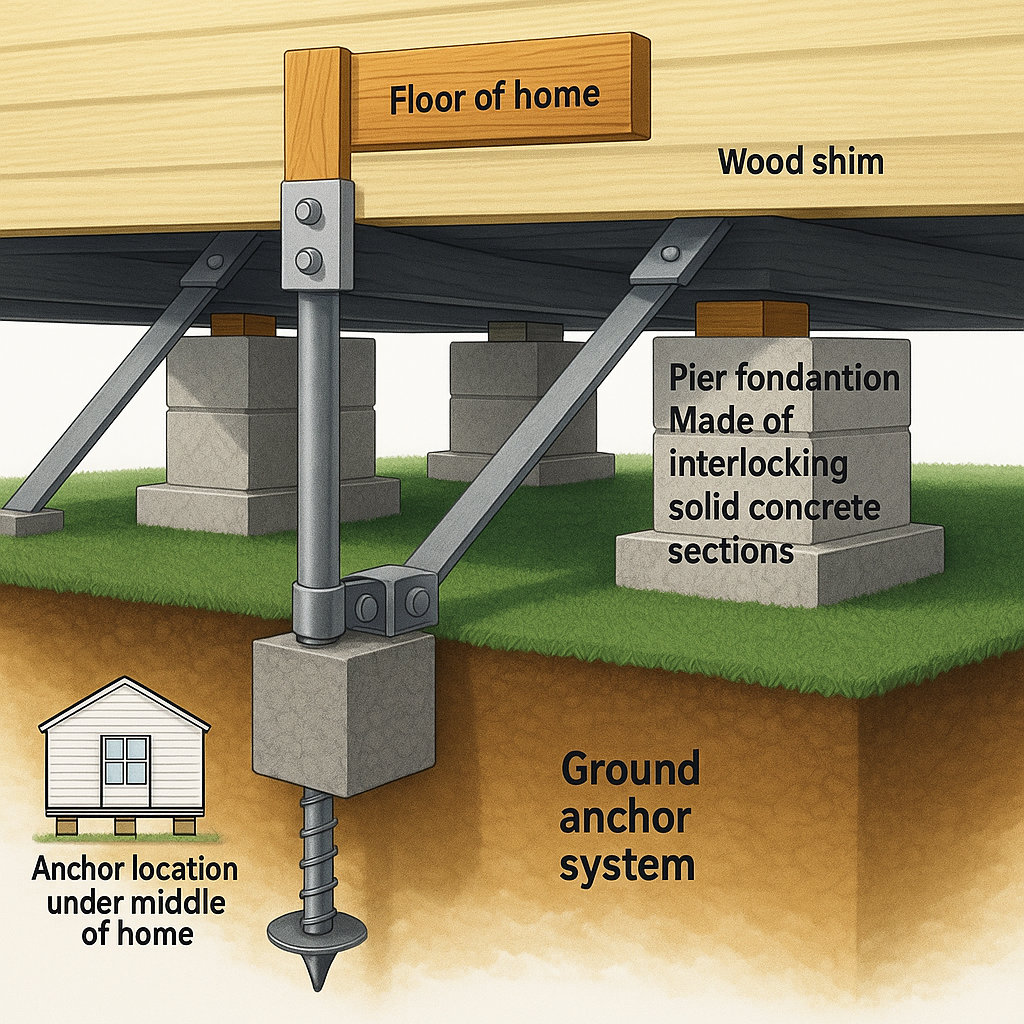
- Hurricane Anchors / Tie Downs
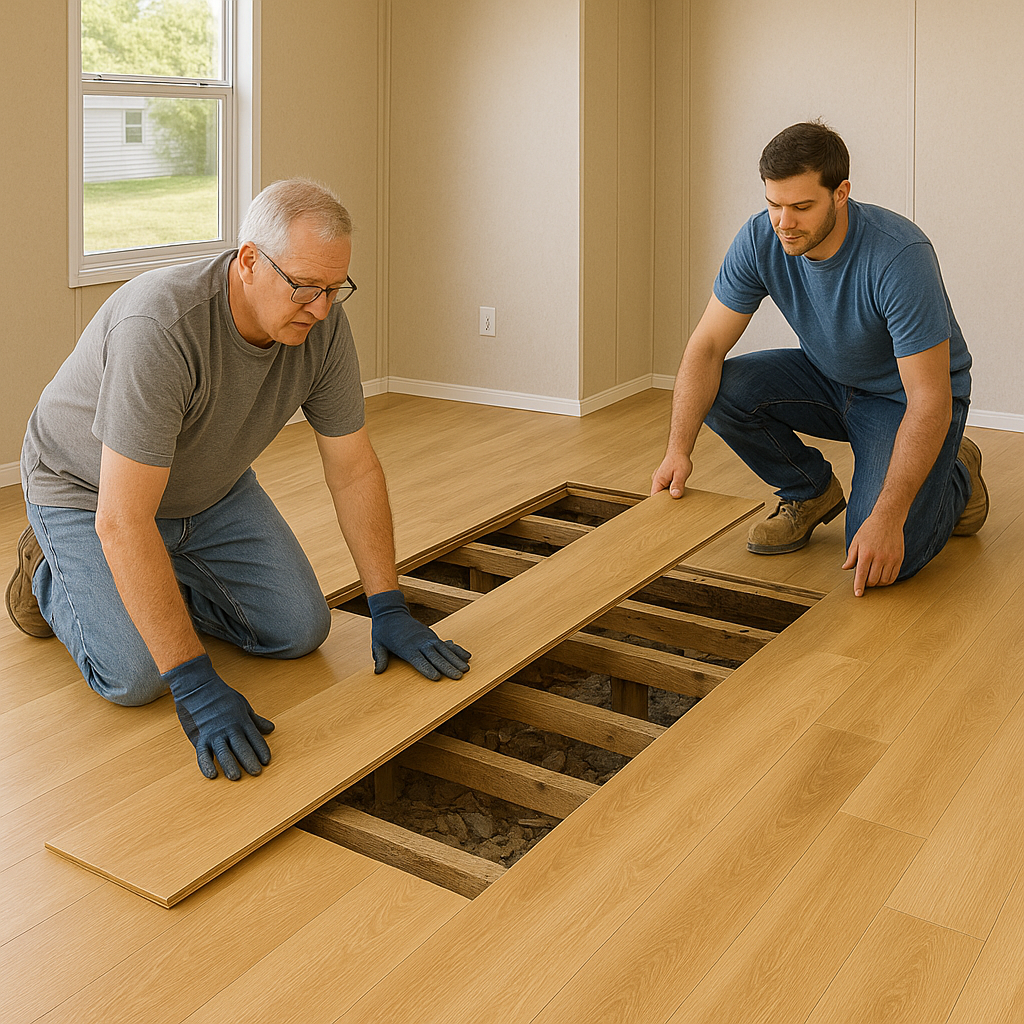
- Mobile Home Flooring Installation
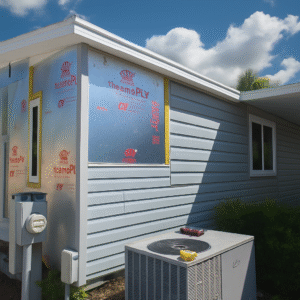
- Mobile Home Siding Installation
- Mobile Home Releveling Experts
Mobile homes need proper hurricane anchors and tie downs to stay secure during high winds and storms in Florida. A weak or outdated tie-down system can allow shifting, movement, or structural stress that leads to costly damage. Professional installation helps stabilize the home, protect the foundation, and reduce storm risk. Many homeowners search for mobile home hurricane tie-down installation when they start noticing movement or settling — and that’s exactly what we provide.
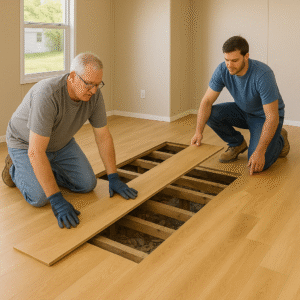
Moisture and underbelly damage often cause soft, sagging, or uneven floors in mobile homes. Installing new flooring helps restore stability, safety, and long-term support inside the home. We remove rotted or damaged materials and replace them with durable options designed for humid Florida conditions. Many people looking for mobile home flooring replacement are dealing with hidden moisture problems — and new floors are often part of the solution.
Damaged or aging siding can let water, humidity, and pests into a mobile home, leading to insulation damage and higher energy bills. Installing new siding helps protect the exterior and improve curb appeal while sealing out moisture. We remove loose, warped, or cracked siding and replace it with materials built for Florida heat and storms. Homeowners often search for mobile home siding installation and repair when they notice leaks or exterior damage starting to spread.
Over time, mobile homes can settle or shift, causing gaps, crooked doors, slanted floors, and cracks along the walls. Releveling restores the home to a safe, even position by correcting support issues under the structure. This helps prevent long-term stress and damage to the frame, flooring, and windows. Many homeowners turn to mobile home releveling services when they notice floors dipping or doors no longer closing properly.
- Mobile Home Vapor Barriers
- Mobile Home Sagging Floors Repairs
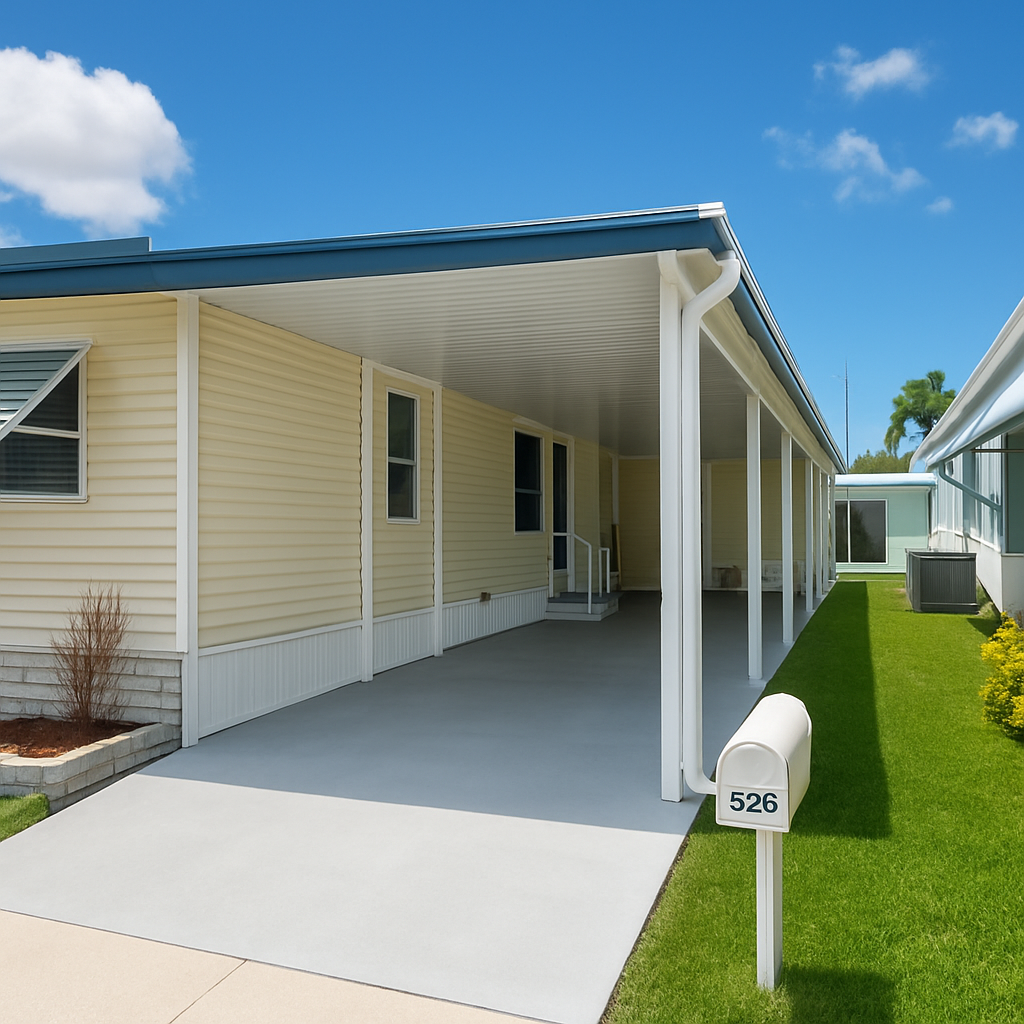
- Mobile Home Carport Contractors
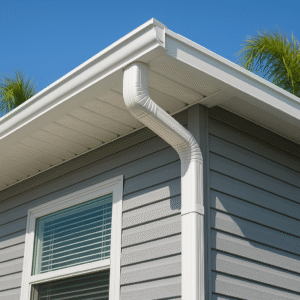
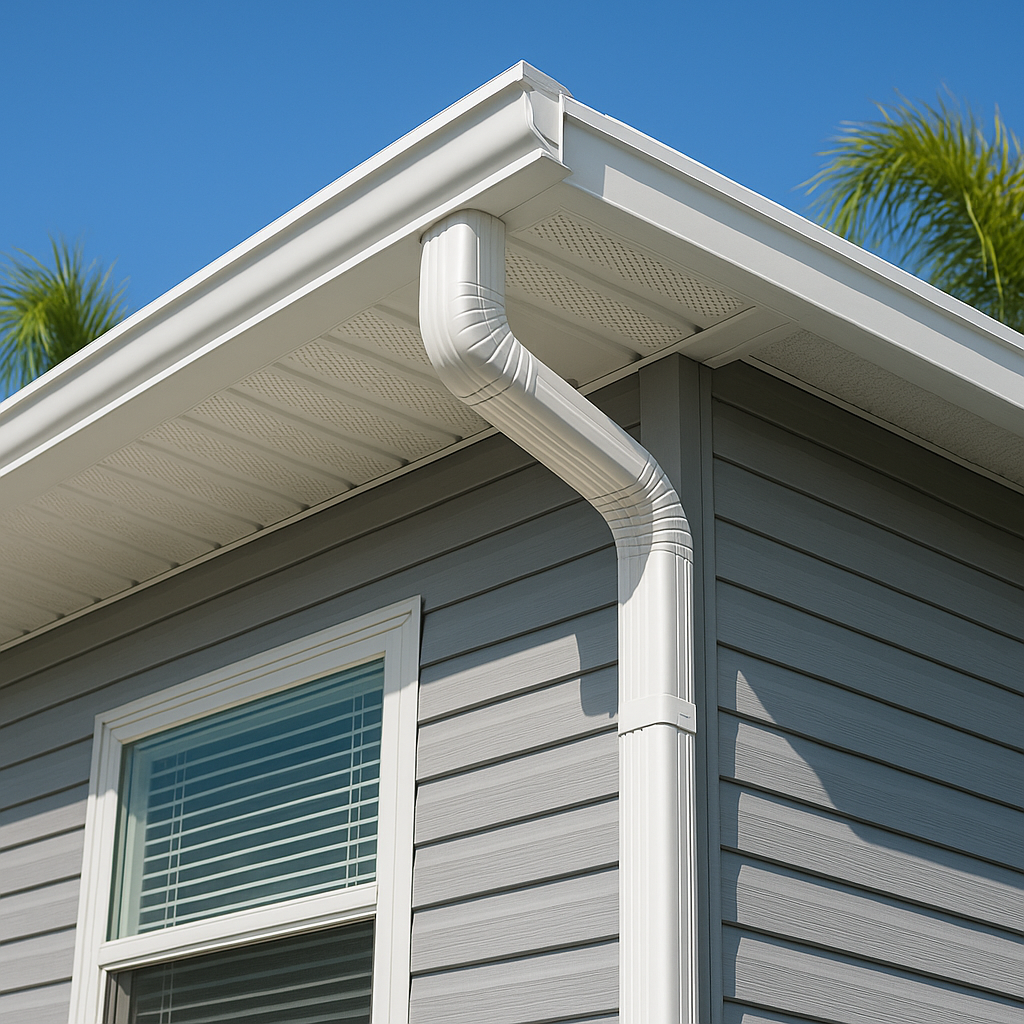
- Mobile Home Gutter Installation
A torn or missing vapor barrier allows ground moisture to rise into the mobile home, leading to mold, soft floors, and insulation failure. Installing a new vapor barrier seals the underbelly and helps protect the structure from humidity and rot. This is one of the most important steps in preventing long-term damage in Florida’s climate. Homeowners researching mobile home vapor barrier replacement are often dealing with moisture, mildew smells, or sagging floors — all signs the barrier has failed.
Soft or sagging floors are a common sign of moisture damage under the home. We repair weakened joists and subflooring, remove damaged wood, and restore safe, solid support. Fixing sagging floors early helps prevent further structural issues and expensive repairs. Many people looking for mobile home sagging floor repair are also facing vapor barrier or underbelly problems — and we can address both.
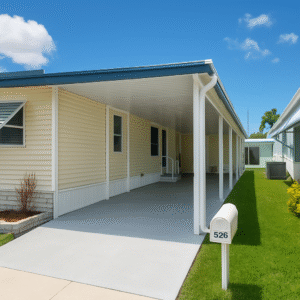
Carports help protect vehicles, entryways, and outdoor areas from sun, rain, and storm debris. We install and repair mobile home carports built for Florida weather and long-term durability. A new carport can improve convenience, safety, and property value. Homeowners searching for mobile home carport installation or replacement often want better protection during hurricane season or heavy storms.
Without proper gutters, rainwater can pool around the home, causing erosion, moisture buildup, and underbelly damage. We install seamless gutter systems that direct water away from the structure to protect the foundation and vapor barrier. This helps reduce long-term maintenance issues and moisture-related repairs. Many homeowners look for mobile home gutter installation when they notice pooling water or moisture collecting under the home.
State Certified General Contractors CGC 004138 • Trusted by Local Homeowners
Why homes in Palm Harbor Florida get Moisture Damage
Palm Harbor sits along the Gulf Coast, where salty air, constant humidity, and sandy soil make mobile homes especially prone to moisture infiltration. Communities such as Lake Tarpon Mobile Home Village and Cloverplace frequently struggle with wet insulation, damaged vapor barriers, and mildew because the ground stays damp after storms and sea air carries moisture inland. The soil drains quickly, but humid air easily rises into the subfloor area, accelerating vapor barrier breakdown. Our team understands Palm Harbor’s unique coastal moisture challenges and provides targeted repairs that prevent future deterioration and strengthen your home’s understructure.
1. How does Palm Harbor’s Gulf breezes and coastal humidity increase the need for a strong mobile home vapor barrier?
Palm Harbor sits directly along the Gulf of Mexico, where salt air and high humidity continually push moisture into the soil beneath mobile homes. This rising moisture can saturate insulation, ductwork, and wood subfloors when no vapor barrier is present. Homes located near marshy areas or low-lying parks are especially vulnerable to moisture intrusion year-round. Over time, this leads to mold, musty odors, and structural weakening under the home. A vapor barrier creates a sealed shield that blocks this moisture before it spreads. It also helps stabilize indoor humidity levels and supports more efficient air conditioning. For Palm Harbor’s coastal climate, a vapor barrier is one of the most important protections a mobile homeowner can invest in.
2. Why do mobile home floors in Palm Harbor often weaken or soften during long humid periods?
Gulf moisture lingers in Palm Harbor for much of the year, and this moisture easily rises into the crawlspace of mobile homes. When subfloor materials absorb this humidity, they begin to expand, weaken, and lose their structural firmness. Homeowners may first notice spongy spots, creaking areas, or uneven surfaces underfoot. Mold can quickly take hold in warm, damp conditions, accelerating the damage. Without intervention, entire sections of flooring may require replacement. Addressing early signs prevents widespread deterioration. Our floor repair services are tailored to Palm Harbor’s constant moisture challenges.
3. How can a carport protect vehicles and outdoor items from Palm Harbor’s intense sun and salt exposure?
Palm Harbor experiences some of the strongest sun exposure in Pinellas County, making vehicles vulnerable to fading, cracking, and interior heat damage. Salt carried inland from the Gulf accelerates corrosion on metal surfaces, especially on cars, golf carts, and bicycles stored outside. A carport provides UV protection and shields vehicles from the salty air that speeds up rusting. It also keeps equipment dry during sudden thunderstorms that frequently develop over the Gulf. Many homeowners use carports as shaded outdoor work areas or storage for fishing gear and beach supplies. Our carports are built to withstand Palm Harbor’s mix of heat, humidity, and salt-rich air.
4. How do gutters protect mobile homes in Palm Harbor during extreme coastal rain events?
Palm Harbor receives intense rainfall during tropical systems and afternoon thunderstorms, often causing rapid water pooling around mobile homes. Without gutters, this water flows directly under the home, raising moisture levels and leading to mold, rot, and pest issues. Gutters redirect water safely away from skirting and support piers, helping maintain a dry foundation area. This reduces long-term settling caused by soft, oversaturated soil. Gutters also prevent siding discoloration from constant splashback. Our gutter systems are designed to handle Palm Harbor’s heavy coastal rainfall and protect mobile homes from moisture intrusion.
5. Why are hurricane anchors critical for Palm Harbor mobile homes despite being north of major coastal channels?
Palm Harbor still receives direct wind impact from Gulf storms because it sits on an open, unprotected stretch of coastline. Hurricane-force gusts can shift, lift, or twist mobile homes that do not have secure anchoring systems. Tie-downs fasten the home’s frame deep into the ground, preventing dangerous movement during storm conditions. They also protect the home’s plumbing and electrical lines, which can separate if the structure shifts. Mobile home communities in Palm Harbor typically require updated anchors to meet Florida safety codes. Our systems exceed statewide wind-resistance standards and are essential for local storm protection.
6. What signs show that a mobile home in Palm Harbor has become unlevel due to shifting coastal soil?
Sandy soil in Palm Harbor often shifts after heavy rain or during extended dry spells, causing mobile homes to settle unevenly. Homeowners may notice slanted floors, interior cracks, or doors that swing open by themselves. Windows may become difficult to open, or gaps may appear between flooring transitions. Furniture may wobble or lean unexpectedly. These changes signal that support piers have settled at different depths. Releveling restores balance and prevents long-term structural damage. Our releveling services address Palm Harbor’s unique coastal soil behavior.
7. How does Palm Harbor’s blend of humidity and shade affect siding durability on mobile homes?
Palm Harbor’s neighborhoods often feature large trees that create shaded areas where moisture lingers on siding surfaces. This environment encourages algae, mildew, and mold growth, especially on older siding materials. Salt air from the Gulf also contributes to faster deterioration. When siding weakens, moisture can penetrate behind the panels and damage interior walls. Upgrading siding enhances protection against the constant moisture and sun exposure. Our siding materials are designed to withstand Palm Harbor’s humid, salt-influenced environment.
8. How does a vapor barrier help manage indoor humidity during Palm Harbor’s hottest months?
Palm Harbor experiences extremely high humidity throughout the summer, which pushes moisture into crawlspaces and eventually into the home’s interior. This humidity makes the home feel warmer and forces air conditioners to run longer. A vapor barrier prevents ground moisture from entering the underside of the home, helping stabilize indoor humidity. This reduces musty odors and prevents condensation from forming on ductwork and insulation. Many homeowners notice improved indoor comfort after installation. Our vapor barriers improve both air quality and energy efficiency.
9. What flooring problems commonly appear when Palm Harbor experiences rapid humidity swings and heavy rainfall?
Subfloor materials expand when exposed to moisture and contract during dry periods, creating stress that weakens structural integrity. Floors may begin to sag, dip, or develop soft areas under heavy foot traffic. Vinyl or laminate surfaces can bubble or lift as moisture travels upward. Mold growth often accelerates the damage, especially in older homes. These issues rarely improve without repairs, and early intervention is essential. Our team specializes in identifying moisture-driven floor problems typical in Palm Harbor mobile homes.
10. Why do Palm Harbor homeowners install carports to protect fishing gear, kayaks, and paddleboards?
Because Palm Harbor borders the Gulf and Lake Tarpon, many residents store water-related gear outside. Sun exposure breaks down plastics and fabrics, while salt air corrodes metal components quickly. A carport shields recreational equipment from harmful UV rays, moisture, and salt particles. It also prevents sudden rainstorms from damaging electronics or water-sensitive gear. Having covered storage extends the life of expensive outdoor equipment. Our carports provide reliable protection for Palm Harbor’s active coastal lifestyle.
11. How do gutters help prevent crawlspace and foundation moisture issues in Palm Harbor mobile home communities?
Poor drainage creates high moisture levels under mobile homes, which can lead to mold, rot, and structural weakening. Gutters redirect rainfall away from the perimeter, reducing the amount of water that flows directly under the structure. This helps maintain dryer soil, which is essential for stabilizing support piers. Gutters also prevent water from staining skirting or accelerating siding deterioration. Reduced moisture helps prevent pest problems, such as termites and ants, which thrive in damp environments. Our gutter systems are built to perform during Palm Harbor’s wettest seasons.
12. How do hurricane tie-downs protect mobile homes from wind surges traveling across the Gulf of Mexico?
Storm winds often increase in strength as they travel inland from the Gulf, hitting Palm Harbor with significant force. Hurricane tie-downs counteract these pressures by securing the home to ground anchors. This prevents the home from shifting, lifting, or twisting during a storm. It also helps maintain structural integrity by keeping the frame, roof, and walls aligned. Regular inspections ensure straps remain tight and free from corrosion. Our tie-down services protect mobile homes from Palm Harbor’s strong storm seasons.
13. Why do mobile homes in Palm Harbor sometimes settle unevenly even on flat lots?
Coastal soil shifts more frequently due to changes in moisture, salt content, and sand density. Rain can soften the ground while dry spells cause it to compact unpredictably. These shifts cause support piers to move at different rates, resulting in uneven settling. Homeowners may notice cracks, floor dips, or misaligned doors as early indicators. Releveling corrects these issues and prevents long-term structural damage. Our technicians understand Palm Harbor’s coastal soil patterns and adjust leveling accordingly.
14. Why does siding in Palm Harbor often show algae growth more quickly than inland areas?
Warm temperatures, moisture from the Gulf, and shaded yards create ideal conditions for algae and mildew to multiply. Homes located near wooded areas, lakes, or retention ponds develop buildup even faster. Algae can stain siding and reduce its lifespan if not addressed. While pressure washing may help temporarily, older siding often absorbs moisture and continues to deteriorate. Upgraded siding materials resist algae growth and withstand Palm Harbor’s consistent humidity. Our siding installations restore curb appeal and long-term durability.
15. How does a vapor barrier improve the energy efficiency of mobile homes in Palm Harbor’s coastal climate?
High humidity forces air conditioning systems to run continuously, increasing energy usage. A vapor barrier blocks moisture from rising into the home, reducing humidity and easing the load on the HVAC system. This leads to more consistent temperatures and lower cooling demands. Dry insulation and ductwork also perform better and last longer. Many homeowners experience noticeable improvements in indoor comfort after installation. Our vapor barrier solutions help combat Palm Harbor’s intense summer humidity.
16. What floor issues arise when Palm Harbor experiences rapid transitions from dry heat to heavy storms?
The Gulf climate often produces quick shifts between extreme heat and sudden downpours. Subfloor materials expand with heat and contract when exposed to moisture, causing stress that weakens the structure. Floors may begin to feel uneven or exhibit soft patches. Vinyl flooring may bubble, while laminate may separate at seams. Moisture trapped beneath flooring layers increases the risk of mold. We repair these issues to restore safety and structural integrity.
17. Why do Palm Harbor residents install carports to protect lawn equipment and seasonal outdoor items?
Sun exposure, humidity, and salt particles wear down outdoor tools and furniture quickly. A carport shields lawn equipment, grills, bicycles, and gardening supplies from weather damage. It also keeps items dry during sudden storms, preventing rust and mold. Many homeowners use carports as flexible workspaces or storage areas. Covered protection significantly extends the lifespan of outdoor belongings. Our carports are built to withstand Palm Harbor’s demanding outdoor environment.
18. How do gutters help prevent erosion and foundation weakening in Palm Harbor mobile homes?
Heavy rainfall can wash away sand and soil around the home, reducing support for piers. Gutters carry this water away from high-risk areas, keeping the foundation zone dry and stable. This reduces the likelihood of uneven settling or structural movement. Gutters also minimize splashback that deteriorates siding and skirting. Maintaining dry soil around the home protects long-term structural integrity. Our gutter systems are ideal for Palm Harbor’s rainfall patterns.
19. What signs indicate that hurricane anchors in a Palm Harbor mobile home may require inspection or replacement?
Visible rust, loose straps, or shifting skirting can indicate anchor deterioration. Homes may feel more flexible or vibrate noticeably during windy days. Salt exposure accelerates corrosion, making regular inspections essential in coastal locations. Ensuring anchors remain secure helps protect the home during hurricane season. Addressing issues early prevents major structural risks. Our anchor inspections help ensure safety in Palm Harbor’s storm-prone environment.
20. How does releveling extend the lifespan of a mobile home in Palm Harbor’s coastal soil conditions?
Releveling corrects structural imbalance caused by shifting sand and moisture changes beneath the home. Keeping the home level reduces strain on the frame, flooring, doors, and windows. It also prevents long-term issues like cracks, leaks, or roof misalignment. Coastal soil shifts more often than inland soil, making periodic releveling essential. Proper leveling improves energy efficiency and overall comfort. Our releveling process maintains stability and protects the home’s structural health.
Contact Florida Anchor and Barrier today to ensure your mobile home is protected with a quality vapor barrier.
Florida Anchor And Barrier
Call to find out if we service your city!
800.681.3772
Service Zone: Altamonte Springs, Apollo Beach, Arcadia, Belleview, Bradenton, Brooksville, Cape Coral, Clearwater, Clermont, Coral Springs, Crystal River, Dade City, Daytona Beach, Deland, Deltona, Dunedin, Englewood, Ellenton, Eustis, Fort Lauderdale, Fort Myers, Fruitville, Hialeah, Hollywood, Homosassa, Inverness, Kissimmee, Lakeland, Largo, Leesburg, Lakewood Ranch, Longboat Key, North Port, New Port Richey, Ocala, Oldsmar, Orlando, Palm Harbor, Palmetto, Parrish, Pinellas Park, Plant City, Port Charlotte, Port St. Lucie, Punta Gorda, Riverview, Ruskin, Safety Harbor, Sanford, Sarasota, Sebastian, Seminole, St. Augustine, St. Cloud, St. Petersburg, Tavares, Tampa, Tarpon Springs, Venice, Winter Haven, Winter Park, Zephyrhills
HEAD OFFICE: 11590 US Hwy 19 N Clearwater, FL 33764