
Mobile Home Releveling & Structural Adjustment in Florida
Fix uneven floors, sticking doors, with a professional releveling service.
If Your Mobile Home Is Not Level? Here's What You Need To Know!
- Uneven Floors Get Worse Over Time – Shifting piers cause dips, soft spots, and sagging floors.
- Doors & Windows Stop Closing Right – When the home settles, frames twist and stop sealing properly.
- Blocks Settle Into Florida Soil – Moisture, rain, and soft soil make mobile homes sink on one side.
- Can Lead to Plumbing Damage – A tilted home puts stress on drain lines and can cause hidden leaks.
- Puts Stress on the Frame & Structure – Releveling prevents long-term bending or twisting of the home’s frame.
- Unleveled homes often fail inspections due to gaps and misalignment.
What You'll Need To Repair if You Don't Keep Your Mobile Home Level
Uneven floors • Sticking doors & windows• Tilting / leaning homes • Low corners or sagging beams
Loose, cracked, or settling piers • Floor dips, humps, and soft spots
Our Proven 4-Step Mobile Home Releveling Process
Step 1 — Free Inspection
We start with a comprehensive inspection of your mobile home’s foundation to identify any unevenness or structural issues that could be causing instability.
Step 2 — Customized Plan & Upfront Quote
After the inspection, we create a personalized releveling plan and provide an upfront, no-surprise quote, so you know exactly what the process will entail.
Step 3 — Professional Releveling
Our experienced team will lift and level your mobile home, making precise adjustments to the foundation to restore stability and prevent future issues.
Step 4 — Final Inspection & Ongoing Support
Once the releveling is complete, we conduct a final inspection to ensure everything is properly aligned. We also offer ongoing support to maintain your home’s stability over time.
Real Florida Releveling
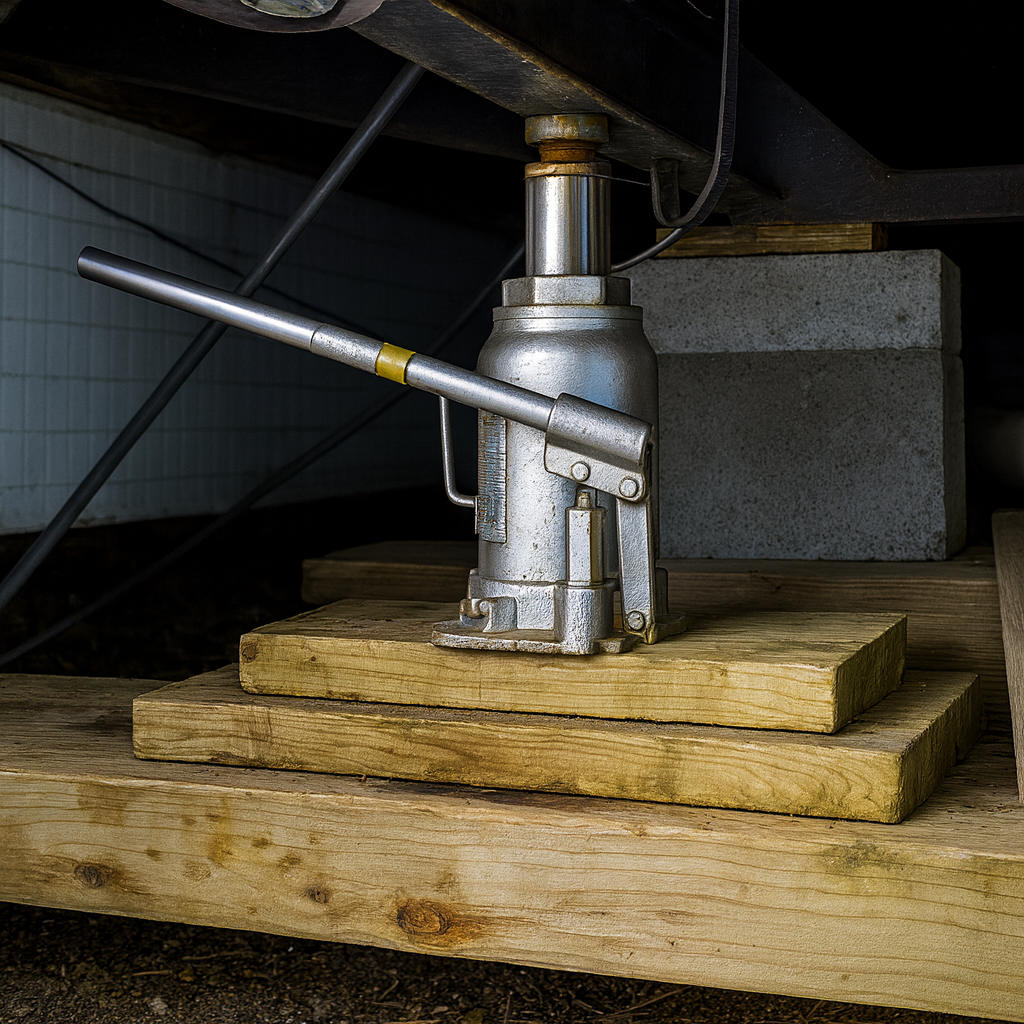
If you notice any signs that your home may be unlevel, don’t wait. Schedule your free inspection today and let us restore the stability and comfort of your home.
A Mobile Home That’s Not Level: What It Means and How We Can Help
A mobile home that isn’t level can lead to a range of issues, from uneven floors and sagging to structural instability and higher energy bills. Over time, a home that shifts out of level can cause serious damage to the foundation, plumbing, and electrical systems, leading to costly repairs.
At Florida Anchor & Barrier, we specialize in mobile home leveling to restore stability and comfort. Our team uses precise techniques to adjust and level your home, ensuring it’s properly supported and aligned. This process helps prevent further damage, improves the lifespan of your home, and even increases energy efficiency by ensuring all systems are functioning optimally.
- Why Choose Florida Anchor and Barrier?
- Frequently Asked Questions about Mobile Home Releveling
At Florida Anchor & Barrier, we specialize in professional mobile home releveling to restore stability and prevent costly damage. Our experienced team ensures that every leveling job meets Florida’s strict building standards, using proven methods and high-quality materials. Homeowners trust us because we focus on getting the job done right the first time — with no shortcuts. We document every step and provide clear, upfront quotes so you know exactly what to expect. When you hire us, you’re getting licensed, insured, and code-compliant workmanship backed by decades of experience in Florida.
1. What is releveling a mobile home and why is it important?
Releveling a mobile home is the process of adjusting the support system so the home sits evenly on its piers, blocks, or foundation again. Over time, soil settles, blocks shift, and the frame can twist, causing floors to slope and doors to stick. Releveling resets the home back to its intended position and restores proper weight distribution. This protects the frame, plumbing, ductwork, and roof from ongoing stress. Without releveling, small settling problems can turn into serious structural issues. It’s a key part of long-term maintenance for any mobile or manufactured home.
2. What causes a mobile home to become unlevel in the first place?
Mobile homes become unlevel when the ground underneath them settles at different rates, especially in areas with sandy soil, clay, or heavy rainfall. Moisture softens the soil, and the weight of the home gradually pushes piers and blocks deeper on one side than the other. Improper original installation, missing piers, or poorly spaced supports also contribute to uneven settling. Over time, this creates dips, slopes, and twists in the frame. Severe weather, flooding, and erosion can speed up the process. Routine inspections help catch these issues early before they become major problems.
3. What are the most common signs that my mobile home needs to be releveled?
Common signs your mobile home needs releveling include doors that won’t latch, windows that stick, and cracks forming in drywall or ceiling joints. You may notice floors that feel sloped or bouncy when you walk across them. Kitchen cabinets or countertops may pull away from the wall, leaving small gaps that weren’t there before. Outside, you might see uneven skirting or gaps around the base of the home. Plumbing drains may slow down or make strange noises as pipes shift. If you see several of these signs together, it’s a strong clue the home is out of level.
4. Is an unlevel mobile home dangerous, or is it just an annoyance?
An unlevel mobile home is more than just an annoyance; it can lead to real structural damage if ignored. When the frame is twisted or sloped, stress builds on joists, beams, and attachment points. Over time, this stress can cause cracks, separations, and even warping in the structure. Plumbing lines may loosen or crack, leading to leaks under the home. Doors and windows that don’t operate correctly can affect emergency exits and security. Releveling restores the home to a safe, stable position and prevents small issues from becoming expensive repairs.
5. How often should a mobile home be releveled?
Most mobile homes should be inspected for leveling every three to five years, depending on local soil conditions and weather. In areas with sandy soil, heavy rain, or frequent ground movement, releveling may be needed more often. Newly installed homes sometimes settle more in the first few years and benefit from an early checkup. Regular inspections help catch mild settling before it becomes severe. If you notice doors sticking or floors sloping, don’t wait for a scheduled time—have it checked sooner. Preventative releveling is almost always cheaper than major structural repair.
6. What happens during a professional mobile home releveling service?
During releveling, technicians use hydraulic jacks to carefully lift low sections of the home back to a level position. They measure the frame, check key points across the home, and adjust piers and blocks underneath. Loose or broken shims are replaced, and any damaged blocks are swapped out for solid supports. The goal is to evenly distribute the weight across the steel beams and foundation points. As the home is releveled, doors, windows, and floors gradually return to normal alignment. A good crew double-checks their work to ensure the home is stable before finishing.
7. Can an unlevel mobile home cause floor problems or soft spots?
Yes, an unlevel mobile home can absolutely contribute to floor problems and soft spots. When the home tilts or sags, weight shifts unevenly across the subfloor and joists. Some areas end up carrying more load than they were designed for, which accelerates wear and flexing. This can make floors feel bouncy, squeaky, or spongy in certain spots. If moisture is also present under the home, the combination of settling and dampness can lead to rotting subfloors. Releveling helps stop the structural stress so floor repairs last longer.
8. Can an unlevel mobile home damage plumbing and drain lines?
Plumbing lines in a mobile home are especially vulnerable when the home becomes unlevel. As the frame twists or drops, rigid pipes can shift, sag, or pull at their connections. This can cause slow drains, recurring clogs, or leaks from cracked joints and fittings. Waste lines with improper slope may begin to hold water or back up more often. Over time, leaks can damage insulation, vapor barriers, and subfloors underneath the home. Releveling restores proper alignment so plumbing can be repaired correctly and stay problem-free.
9. How do I know if I need releveling or a different structural repair?
Releveling is usually recommended when the main issue is uneven settling rather than actual rot or structural failure. If your doors stick, windows bind, floors slope, and you see no major rot in the frame, releveling is often the first step. However, if beams are rusted through, piers are broken, or subfloors are severely rotted, additional repairs may be required. A good technician will inspect the underside of your home before starting. They can tell you whether leveling alone will solve the problem or if other components need work. In many cases, releveling and targeted repairs are done together.
10. Is releveling a mobile home something a homeowner can safely do themselves?
Releveling a mobile home is technically possible for a homeowner, but it’s not recommended without proper tools and experience. The home must be lifted carefully with hydraulic jacks, and incorrect lifting points can damage the frame. Working under a raised structure is dangerous if you don’t know how to secure it. Professional crews use specific leveling methods, measuring techniques, and safety procedures. They also understand local codes and support requirements. For safety and long-term stability, most homeowners are better off hiring a qualified releveling company.
11. How long does it take to relevel a mobile home?
Most releveling jobs can be completed in a single day, depending on the size of the home and how far out of level it is. A simple job with minor adjustments may take just a few hours. More complex situations with severe settling, difficult access, or extra pier work can take longer. The crew will typically start by inspecting the underside, then set jacks and begin lifting low areas. Once the home is level, they secure new shims and blocks as needed. A thorough final check ensures everything is stable before they leave.
12. Will releveling my mobile home fix my sticking doors and windows?
In many cases, yes—releveling a mobile home can dramatically improve sticking doors and windows. When the home settles unevenly, frames twist and shift slightly out of square. This makes doors rub, bind, or fail to latch completely. By bringing the home back to level, the stress is removed and the frames move closer to their original shape. Some doors and windows may also need minor adjustments or hardware tweaks afterward. But often, releveling alone solves many of these alignment issues.
13. Does releveling a mobile home help with roof leaks or ceiling cracks?
Releveling can help reduce roof stress and ceiling cracking, but it is not a direct repair for leaks. When a home is unlevel, the roof structure can twist and pull at seams, shingles, and flashing. This extra movement makes it easier for water to find its way inside. Releveling stabilizes the frame so the roof sits more evenly and flexes less in the future. Ceiling cracks caused by settling often stop getting worse after the home is leveled. However, any existing roof leaks still need to be properly repaired and sealed.
14. How does releveling affect the skirting around my mobile home?
When a mobile home is releveled, the height of the home at various points can change slightly. This may reveal gaps or tight spots in the skirting, especially if the home was significantly out of level. In some cases, skirting panels need to be adjusted, trimmed, or reset to match the new position of the home. This is a normal part of the process when correcting long-term settling. Properly fitted skirting helps keep animals out and improves energy efficiency. After releveling, it’s a good time to inspect and repair any skirting damage.
15. Can releveling fix cracks in my drywall and trim?
Releveling can stop existing drywall cracks from getting worse and sometimes slightly improves them, but it doesn’t always make them disappear. When the home has been out of level, stress builds up at joints, corners, and seams. Once the home is brought back to level, the movement slows down or stops. At that point, you can repair drywall and trim knowing the structure is more stable. New cracks are much less likely to appear if the home remains level. Releveling creates a solid foundation for interior cosmetic repairs.
16. Does releveling a mobile home increase its lifespan?
Yes, releveling can extend the lifespan of a mobile home by reducing stress on the frame and structural components. When a home stays unlevel for a long time, beams, joists, and walls are constantly under strain. This accelerates wear, loosens fasteners, and creates gaps where moisture can enter. By restoring balance, releveling gives the structure a chance to function as originally designed. It also helps protect plumbing, roofing, and siding from damage caused by movement. Over the years, regular releveling can make a big difference in how long the home lasts.
17. Will releveling my mobile home disturb my interior flooring or furniture?
During releveling, your home will be lifted and adjusted gradually, which can cause minor shifting inside. Most of the time, furniture and flooring stay in place without major disruption. It’s wise to secure fragile items, remove wall décor, and stabilize tall furniture ahead of time. Some floors may feel slightly different underfoot once they’re properly supported again. If the home was very unlevel, you might notice doors and cabinets closing differently after the work is done. Overall, careful releveling is designed to minimize disturbance while restoring proper support.
18. How much ground movement is “normal” before I should consider releveling?
Some very minor settling is normal over the lifespan of a mobile home, especially in the first few years after installation. A tiny amount of door rubbing or a slight change in floor feel may not require immediate action. However, if gaps appear, doors won’t latch, windows bind, or you can see noticeable slopes, it’s no longer “normal.” At that point, the home is telling you the support system needs attention. Ignoring these signs allows the problem to grow over time. It’s better to relevel early than wait until structural damage appears.
19. How does soil type affect how often a mobile home needs releveling?
Soil type has a big impact on how often mobile homes need releveling. Sandy or loose soils allow piers and blocks to sink more easily under the weight of the home. Clay soils expand and contract with moisture, causing uneven lifting and settling. Rocky or well-compacted soils tend to move less but can shift after heavy rain or erosion. If your home sits on soft or moisture-prone ground, more frequent inspections are important. Understanding your soil conditions helps plan a sensible releveling schedule.
20. Should releveling be done before or after other repairs like floor replacement or plumbing work?
Releveling is almost always best done before major repairs like floor replacement or plumbing modifications. If you install new floors or pipes while the home is out of level, those repairs are based on a twisted frame and uneven support. Once the home is later releveled, it can stress the new materials and undo some of the work. By leveling first, you give floor, plumbing, and interior repairs a stable foundation. This makes them more effective and longer-lasting. In most cases, the ideal order is: inspect, relevel, then repair.
State Certified General Contractors CGC 004138 • Trusted by Florida Homeowners
Serving all of Florida’s mobile and manufactured homes — including Clearwater, Largo, Pinellas Park, Tampa, Sarasota, and surrounding areas. Our technicians specialize in mobile home leveling, ensuring your home is stable and secure, whether it’s in a park, co-op, or on a private lot.
Mobile Home Releveling FAQ'S
Mobile homes become unlevel when soil shifts, moisture causes ground settling, or the original piers and blocks lose their support. In Florida, rain, sandy soil, humidity, and hurricanes all contribute to movement under the home. When the ground settles unevenly, one side of the home begins to dip, creating stress on doors, windows, framing, and plumbing. Over time, even a small shift can spread through the entire structure, making releveling essential to prevent long-term damage.
Common signs your mobile home needs releveling include doors that won’t close properly, windows that stick, floors that feel uneven, cracked drywall, and gaps appearing between walls or cabinets. You may also notice plumbing draining slowly or the skirting shifting. These symptoms indicate the home has settled and the support system is no longer even. The sooner these signs appear, the faster releveling should be done to avoid structural strain or damage to plumbing and electrical components.
Because Florida has sandy soil, heavy rainfall, and frequent storm activity, most mobile homes should be releveled every 3–5 years. Homes in low-lying or high-moisture areas may need it more frequently. Seasonal weather causes the ground to expand, contract, and shift, which affects the piers and supports underneath the home. Regular inspections help identify early settling issues before they lead to uneven floors, frame stress, or cracks in the home’s interior.
Mobile homes become unlevel when soil shifts, moisture causes ground settling, or the original piers and blocks lose their support. In Florida, rain, sandy soil, humidity, and hurricanes all contribute to movement under the home. When the ground settles unevenly, one side of the home begins to dip, creating stress on doors, windows, framing, and plumbing. Over time, even a small shift can spread through the entire structure, making releveling essential to prevent long-term damage.
Common signs your mobile home needs releveling include doors that won’t close properly, windows that stick, floors that feel uneven, cracked drywall, and gaps appearing between walls or cabinets. You may also notice plumbing draining slowly or the skirting shifting. These symptoms indicate the home has settled and the support system is no longer even. The sooner these signs appear, the faster releveling should be done to avoid structural strain or damage to plumbing and electrical components.
Because Florida has sandy soil, heavy rainfall, and frequent storm activity, most mobile homes should be releveled every 3–5 years. Homes in low-lying or high-moisture areas may need it more frequently. Seasonal weather causes the ground to expand, contract, and shift, which affects the piers and supports underneath the home. Regular inspections help identify early settling issues before they lead to uneven floors, frame stress, or cracks in the home’s interior.
Contact Florida Anchor and Barrier today to ensure your mobile home is protected with a quality vapor barrier.
Florida Anchor And Barrier
800.681.3772
Service Zone: Altamonte Springs, Apollo Beach, Arcadia, Belleview, Bradenton, Brooksville, Cape Coral, Clearwater, Clermont, Coral Springs, Crystal River, Dade City, Daytona Beach, Deland, Deltona, Dunedin, Englewood, Ellenton, Eustis, Fort Lauderdale, Fort Myers, Fruitville, Hialeah, Hollywood, Homosassa, Inverness, Kissimmee, Lakeland, Largo, Leesburg, Lakewood Ranch, Longboat Key, North Port, New Port Richey, Ocala, Oldsmar, Orlando, Palm Harbor, Palmetto, Parrish, Pinellas Park, Plant City, Port Charlotte, Port St. Lucie, Punta Gorda, Riverview, Ruskin, Safety Harbor, Sanford, Sarasota, Sebastian, Seminole, St. Augustine, St. Cloud, St. Petersburg, Tavares, Tampa, Tarpon Springs, Venice, Winter Haven, Winter Park, Zephyrhills
HEAD OFFICE: 11590 US Hwy 19 N Clearwater, FL 33764